
October 15, 2025
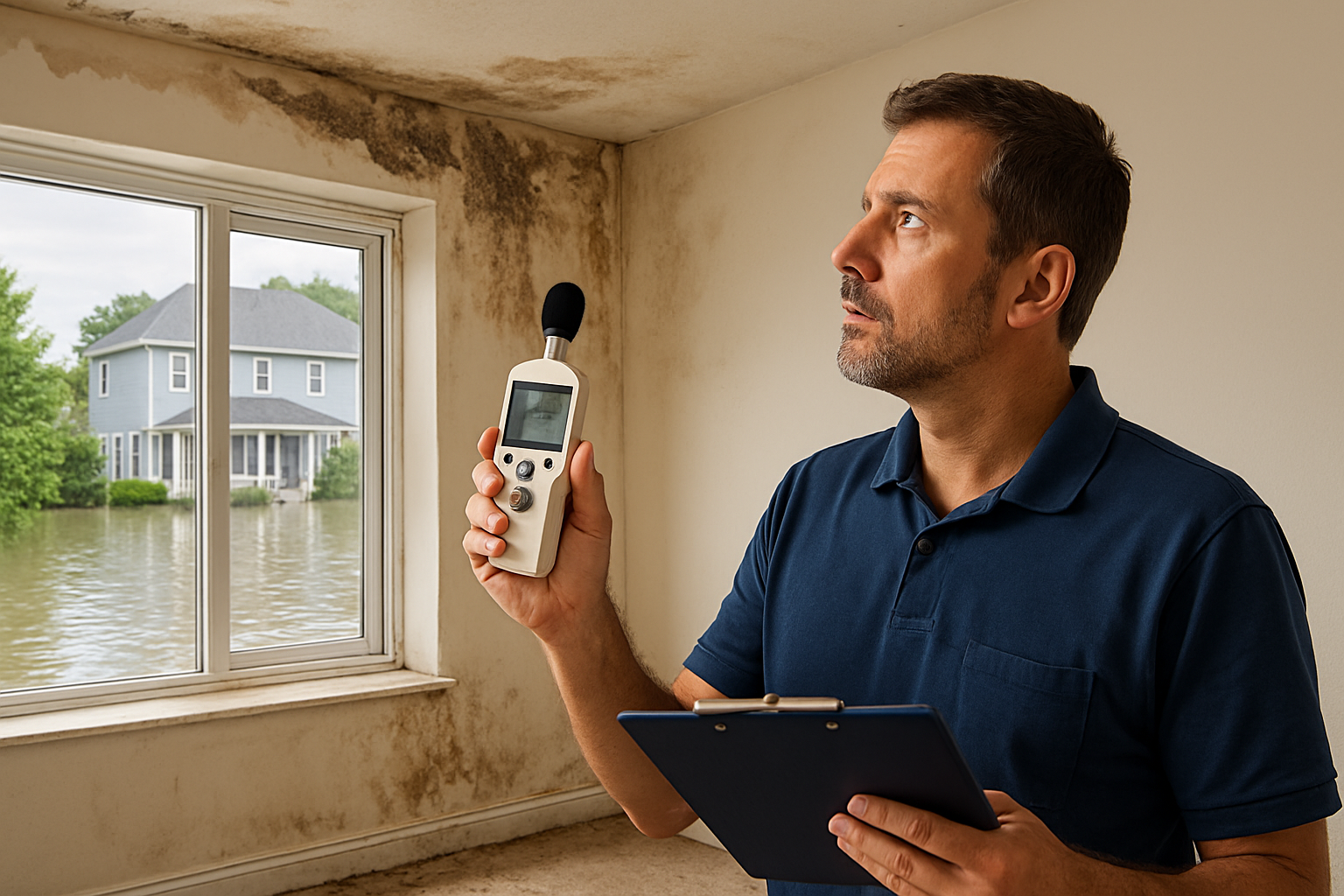
Living along the New Jersey Shore whether in Rumson, the Highlands, Bradley Beach, or Neptune, offers unbeatable scenery and coastal charm. But with that beauty comes exposure to the elements. Areas like Monmouth Beach along Ocean Avenue or Long Branch with its oceanfront homes can be vulnerable when heavy storms or tidal flooding strike.
When water damage occurs, it’s natural to focus on what you can see: soaked carpets, warped flooring, or water-stained walls. Yet the bigger problem is often what you can’t see. After water intrusion, moisture can linger in building materials, crawl spaces, and HVAC systems, creating the ideal environment for mold, bacteria, and other airborne pollutants. Within just 24–48 hours, mold spores can begin to multiply and spread throughout your home, contaminating the air you breath. Even when visible damage appears minor, microscopic particles may already be circulating through your air ducts and ventilation system.
This is why Indoor Air Quality (IAQ) testing is one of the most important steps to take after any form of water damage. While drying, cleaning, and restoring visible areas is essential, confirming the condition of the air you breathe ensures the job is truly complete.
Protect What Matters Most — Your Family’s Health
Poor indoor air quality doesn’t just create unpleasant odors or a damp feeling. It can have direct, measurable effects on your health. Homeowners often report:
- Persistent coughing or sneezing
- Headaches or fatigue
- Aggravated asthma or allergies
- Eye, nose, or throat irritation
Children, older adults, and anyone with respiratory sensitivities are especially at risk. Mold spores, bacteria, and volatile organic compounds (VOCs) released during water damage can trigger these symptoms long before any visible signs appear.
Comprehensive IAQ testing pinpoints these hidden hazards, giving you a clear understanding of what’s in the air and what steps are needed to make your home safe again.
Confirm a Safe and Complete Cleanup
Even after water removal and drying, moisture can remain trapped behind walls, beneath flooring, or inside ductwork. Left unaddressed, it can lead to recurring mold growth, structural deterioration, and that persistent musty odor many homeowners notice after flooding.
Professional IAQ testing goes beyond surface-level inspection. By collecting air samples and sending them for laboratory analysis, technicians can confirm whether your cleanup and remediation efforts were successful. The results provide documented proof that your home’s environment is truly safe, not just dry on the outside, but clean on the inside.
The Benefits of Indoor Air Quality Testing After Water Damage
- Detect Hidden Mold: Identify elevated mold spore levels and locate unseen growth early.
- Ensure Proper Remediation: Confirm that water mitigation and restoration were effective.
- Prevent Future Damage: Catch moisture and microbial issues before they lead to costly repairs.
- Improve Air Quality: Restore fresh, breathable air throughout your home.
- Gain Peace of Mind: Receive verified test results showing your living environment is safe and healthy.
Breathe Easy Again
Your home is where your family relaxes, grows, and creates memories. Protecting the air inside is just as important as restoring what’s visible after water damage.
5D Home Inspections provides post-water-damage air quality testing throughout New Jersey, using advanced equipment to detect hidden contaminants and confirm your home’s safety.
Don’t take chances with your family’s health.
Keep Reading
- Revolutionize Building Maintenance with Cutting-Edge Thermal Imaging Inspection
- Thermal Inspection: Unveiling Hidden Problems for Optimal Building Performance
- How Air Quality Experts Transform Indoor Environments for Better Health
- The Ultimate Guide to WDO Inspection: Protect Your Home from Wood-Destroying Organisms
- Harness the Potential of Thermal Imaging Inspection for Unseen Building Insights