
Revealing Hidden Building Flaws with Thermal Imaging Inspection
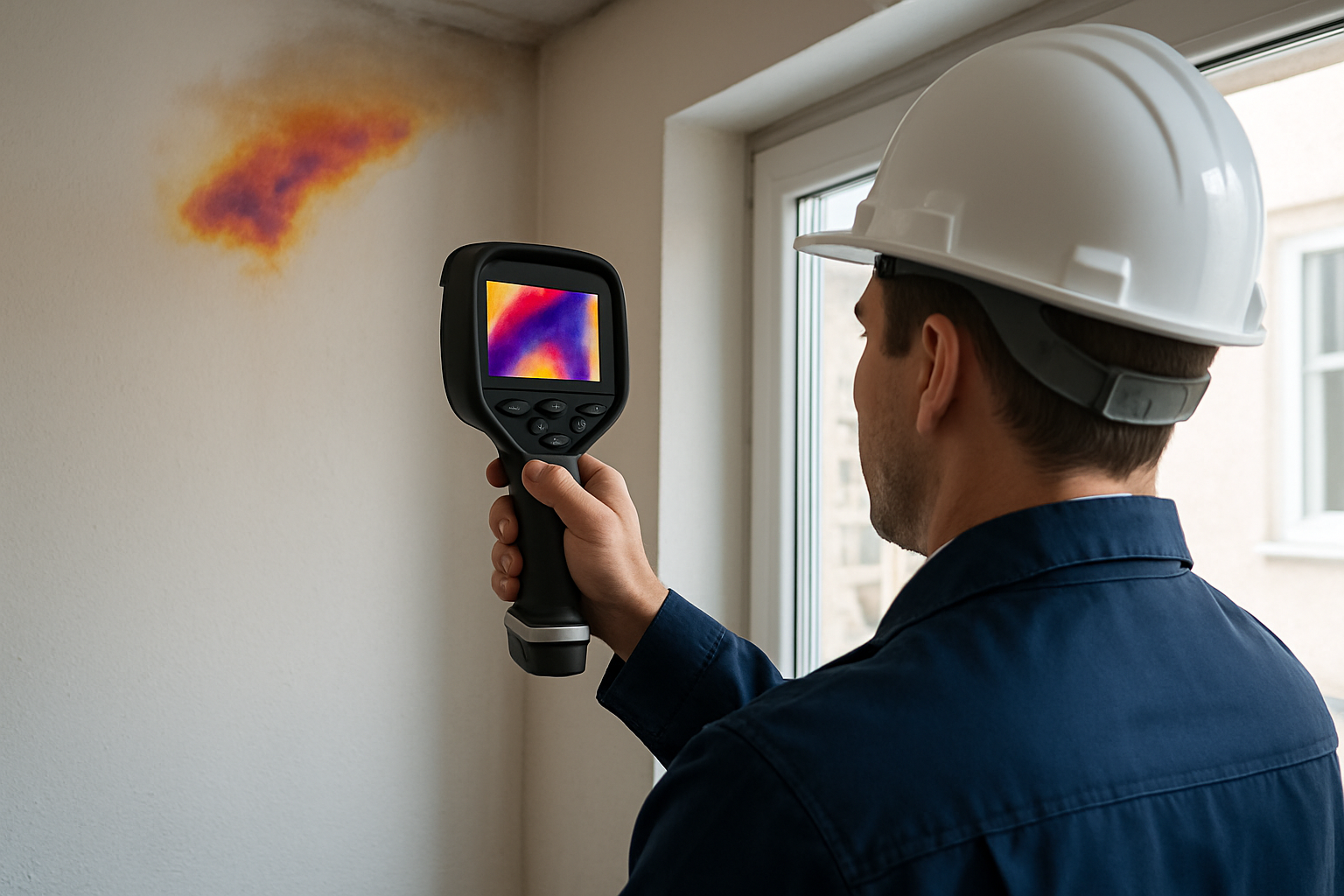
Revealing Hidden Building Flaws with Thermal Imaging Inspection
Thermal imaging inspection is a powerful, non-destructive way to reveal hidden building flaws that the naked eye can’t see. By translating temperature differences into clear visual images, thermal scans help property owners, facility managers, and contractors find problems early, reduce energy waste, and protect their investment.
What Is Thermal Imaging Inspection and How Does It Work?
Thermal imaging inspection (also called infrared thermography) uses a specialized camera that detects infrared radiation—heat—emitted by surfaces. Every object with a temperature above absolute zero emits infrared energy. A thermal camera captures that energy and converts it into a colorful thermal image (thermogram) that shows hot and cold areas across walls, ceilings, roofs, and mechanical systems.
Key elements of how thermal imaging works include:
- Infrared detection: The camera senses tiny differences in surface temperatures, often as small as a fraction of a degree.
- Color mapping: Warmer areas might appear white, red, or yellow, while cooler areas show as blue or purple, depending on the palette used.
- Non-contact scanning: The inspector can scan large areas from a distance without drilling, cutting, or damaging materials.
- Real-time results: Thermal images and videos are captured instantly, allowing on-the-spot diagnosis and documentation.
Because it is non-invasive and fast, thermal imaging is ideal for routine building inspections, pre-purchase property evaluations, insurance documentation, and preventive maintenance.
Common Hidden Building Flaws Thermal Imaging Can Reveal
Many serious building issues begin long before visible signs appear. Thermal imaging inspection helps uncover these problems early by exposing abnormal heat patterns. Common flaws that can be detected include:
1. Insulation Gaps and Energy Loss
Poor or missing insulation causes uneven temperatures and energy waste. On a thermal image, these areas typically appear as hot or cold patches against an otherwise uniform wall or ceiling.
- Missing or compressed insulation in walls, ceilings, and attics
- Thermal bridging at studs, joists, and structural steel
- Heat loss around window frames, doors, and rooflines
- Drafts and air leaks at electrical outlets or penetrations
2. Moisture Intrusion and Water Damage
Moist materials hold heat differently than dry ones, so moisture problems can show up clearly during a thermal imaging inspection, even when surfaces still look perfect to the eye.
- Roof leaks and wet insulation hidden beneath roofing materials
- Plumbing leaks in walls, floors, and ceilings
- Rising damp and foundation moisture issues
- Hidden water damage behind tiles, drywall, or finished surfaces
Early detection of moisture helps prevent structural deterioration, mold growth, and costly repairs.
3. Electrical Hot Spots and Overloads
Overheated electrical components are a major fire risk. Thermal imaging can quickly pinpoint hot spots in:
- Breaker panels and switchboards
- Overloaded circuits, loose connections, and faulty breakers
- Transformers, motors, and control panels
- Lighting circuits, busbars, and distribution equipment
By spotting abnormally warm components before they fail, facility managers can plan targeted repairs and reduce downtime and hazards.
4. HVAC and Mechanical System Inefficiencies
Heating, ventilation, and air conditioning systems rely on balanced temperatures and airflow. Thermal imaging inspection helps identify:
- Blocked or leaking ductwork
- Uneven heating or cooling distribution
- Defective radiant heating pipes or cables
- Underperforming coils, valves, and mechanical components
Addressing these issues improves comfort, reduces energy costs, and extends equipment life.
When to Schedule a Thermal Imaging Inspection
Knowing when to invest in thermal imaging can maximize its value. Consider scheduling a professional thermal scan during these key times:
- Before buying or selling a property: Add an infrared inspection to your pre-purchase home inspection to uncover hidden defects that might influence your decision or negotiating power.
- After severe weather events: Storms, heavy rain, hail, and high winds can damage roofs, siding, and windows. Thermal scanning helps verify whether moisture has penetrated the building envelope.
- During energy audits and retrofits: If you’re planning upgrades or trying to cut utility costs, thermal imaging highlights exactly where your building is losing heat or cool air.
- As part of preventive maintenance: Commercial and industrial facilities benefit from scheduled thermal inspections of electrical systems, mechanical equipment, and flat roofs to catch problems before they become emergencies.
- When comfort complaints arise: Hot or cold spots, drafts, and condensation issues are easier to diagnose with a thermal camera than guesswork alone.
For the most accurate building envelope results, many inspectors perform thermal scans when there is a meaningful temperature difference between indoors and outdoors, such as early morning or evening, or during colder seasons.
Benefits of Thermal Imaging for Property Owners and Managers
Thermal imaging inspections provide a strong return on investment by improving safety, reducing operating costs, and protecting the value of your property. Key benefits include:
- Early problem detection: Spotting flaws before they become visible allows for lower-cost repairs and less disruption.
- Accurate, targeted repairs: Rather than opening large sections of walls or roofs, contractors can focus directly on the affected areas.
- Energy efficiency gains: Identifying insulation gaps, drafts, and HVAC issues can significantly reduce heating and cooling bills.
- Improved comfort and indoor air quality: Eliminating drafts, moisture, and cold spots creates a more comfortable and healthier indoor environment.
- Reduced risk and liability: Finding electrical hot spots and moisture issues helps prevent fires, structural failures, and mold-related health claims.
- Documented proof for insurers and stakeholders: Clear thermal images provide visual evidence of both existing conditions and completed repairs.
For commercial and industrial facilities, these advantages scale across large portfolios, supporting sustainability goals, regulatory compliance, and long-term asset management plans.
Choosing a Qualified Thermal Imaging Inspector
The quality of your thermal imaging inspection depends on both the equipment used and the expertise of the inspector interpreting the results. When selecting a provider, look for:
- Professional training and certification: Ask whether the inspector holds recognized thermography certifications (such as Level I, II, or III training) and relevant building inspection credentials.
- Appropriate imaging equipment: Higher-resolution cameras with adequate thermal sensitivity produce more detailed, reliable images.
- Building science knowledge: Interpreting thermal patterns correctly requires understanding how heat, air, and moisture move through building assemblies.
- Clear reporting: A quality report should include color thermal images, corresponding digital photos, temperature data, and prioritized recommendations.
- Experience with your property type: Residential homes, commercial buildings, industrial plants, and historic structures each present unique thermal challenges.
Partnering with a skilled inspector ensures that you receive actionable insights rather than confusing images or misdiagnosed issues.
Conclusion: See What Your Building Is Hiding
Thermal imaging inspection reveals critical building flaws that would otherwise remain hidden—until they become expensive or dangerous problems. From moisture intrusion and insulation gaps to electrical hot spots and HVAC inefficiencies, infrared technology gives you a detailed, non-invasive look beneath the surface of your property.
If you want to protect your investment, reduce energy costs, and make smarter maintenance decisions, now is the time to schedule a professional thermal imaging inspection. Contact a qualified local thermal imaging inspector today to uncover what your building is really hiding and plan the right repairs with confidence.
Keep Reading
- Elevate Building Maintenance with Innovative Thermal Imaging Inspection Techniques
- Comprehensive Fuel Tank Inspection: Ensuring Safety and Longevity
- Revealing the Unseen: How Thermal Imaging Inspection Enhances Building Safety
- Optimize Workplace Health with Comprehensive Commercial Indoor Air Quality Testing
- Revealing Hidden Building Flaws with Thermal Imaging Inspection