
May 2, 2026
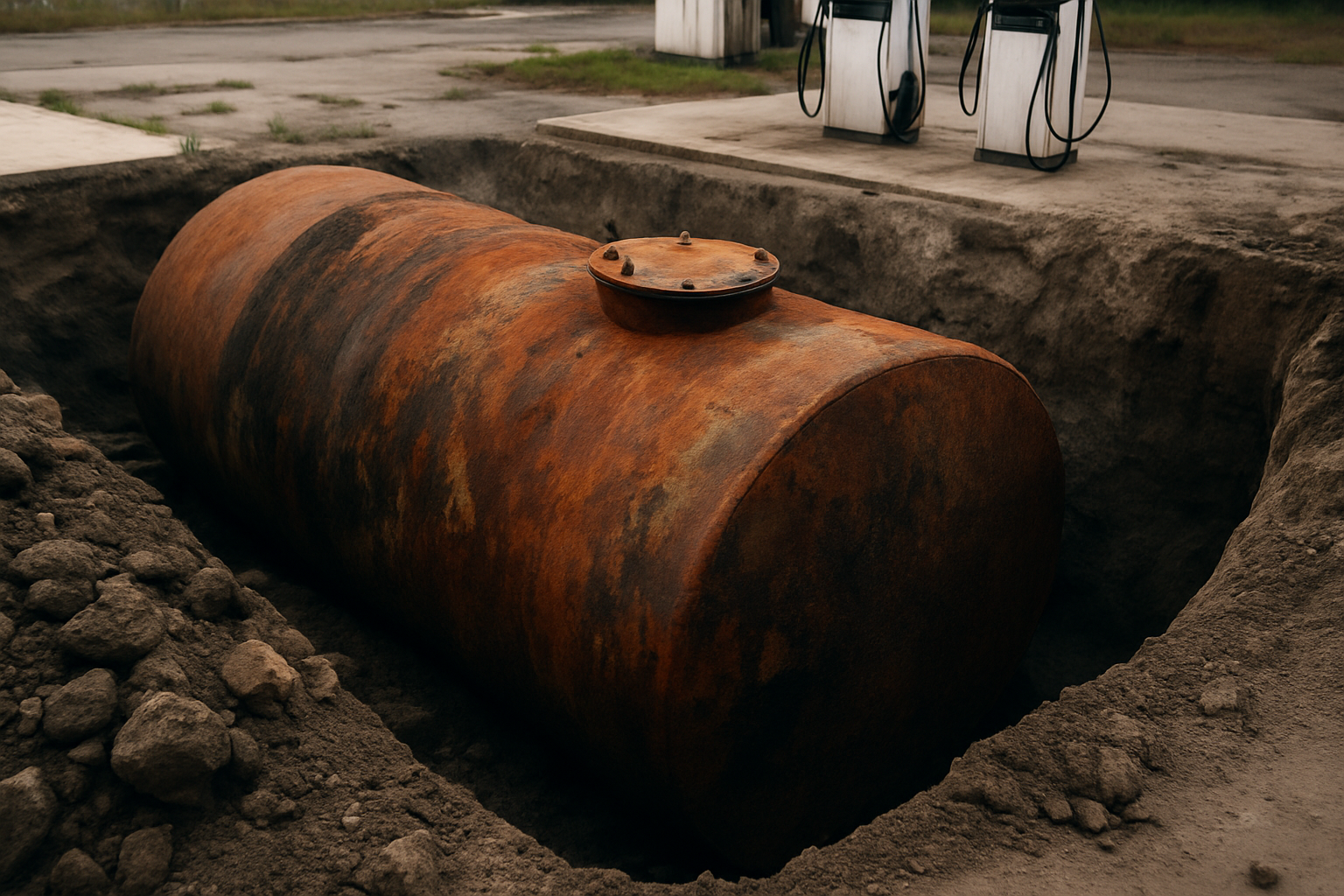
Uncovering the Hidden Dangers of Abandoned Underground Fuel Tanks: What You Need to Know
nn
Abandoned underground fuel tanks pose significant environmental and safety risks that are often overlooked. These hidden hazards can lead to soil contamination, groundwater pollution, and even explosions if not properly managed. In this blog post, we will explore the dangers associated with these tanks, how to identify them, and the steps you can take to mitigate their risks.
nn
Understanding the Risks of Abandoned Underground Fuel Tanks
n
Underground fuel tanks, when abandoned, can become ticking time bombs. Over time, these tanks can corrode and leak hazardous substances into the surrounding environment. The primary risks include:
n
- n
- Soil Contamination: Leaking fuel can seep into the soil, making it toxic and unsuitable for agriculture or habitation.
- Groundwater Pollution: Contaminants from the tanks can infiltrate groundwater supplies, posing health risks to communities relying on well water.
- Fire and Explosion Hazards: Accumulated vapors from leaking tanks can ignite, leading to dangerous explosions.
n
n
n
nn
Identifying Abandoned Underground Fuel Tanks
n
Recognizing the presence of abandoned underground fuel tanks on your property is crucial for addressing potential hazards. Here are some signs to look for:
n
- n
- Unusual Vegetation: Areas with sparse or discolored vegetation may indicate soil contamination.
- Old Fuel Pumps: The presence of outdated or unused fuel pumps can suggest the existence of underground tanks.
- Historical Records: Reviewing property records can reveal past fuel storage activities.
n
n
n
nn
Regulations and Legal Responsibilities
n
Property owners are often legally responsible for managing abandoned underground fuel tanks. Regulations vary by region, but generally include:
n
- n
- Tank Removal: Owners may be required to remove or properly decommission tanks to prevent environmental damage.
- Environmental Assessments: Conducting soil and groundwater tests to assess contamination levels.
- Remediation Efforts: Implementing cleanup measures to restore contaminated sites.
n
n
n
nn
Steps to Safely Manage Abandoned Underground Fuel Tanks
n
Proper management of abandoned underground fuel tanks is essential to mitigate risks. Follow these steps to ensure safety:
n
- n
- Conduct a Professional Inspection: Hire experts to assess the condition of the tanks and surrounding environment.
- Develop a Remediation Plan: Work with environmental professionals to create a plan for tank removal and site cleanup.
- Comply with Regulations: Ensure all actions meet local and federal environmental regulations.
- Monitor the Site: Regularly check the site for signs of contamination or leaks.
n
n
n
n
nn
Conclusion: Take Action to Protect Your Property and Community
n
Abandoned underground fuel tanks are a hidden danger that requires immediate attention. By identifying these tanks, understanding the risks, and taking appropriate action, you can protect your property and community from potential hazards. If you suspect the presence of an abandoned underground fuel tank on your property, contact a professional environmental consultant today to begin the process of safe removal and remediation.
n“`
Keep Reading
- Revolutionize Building Maintenance with Cutting-Edge Thermal Imaging Inspection
- Thermal Inspection: Unveiling Hidden Problems for Optimal Building Performance
- How Air Quality Experts Transform Indoor Environments for Better Health
- The Ultimate Guide to WDO Inspection: Protect Your Home from Wood-Destroying Organisms
- Harness the Potential of Thermal Imaging Inspection for Unseen Building Insights