
August 31, 2026
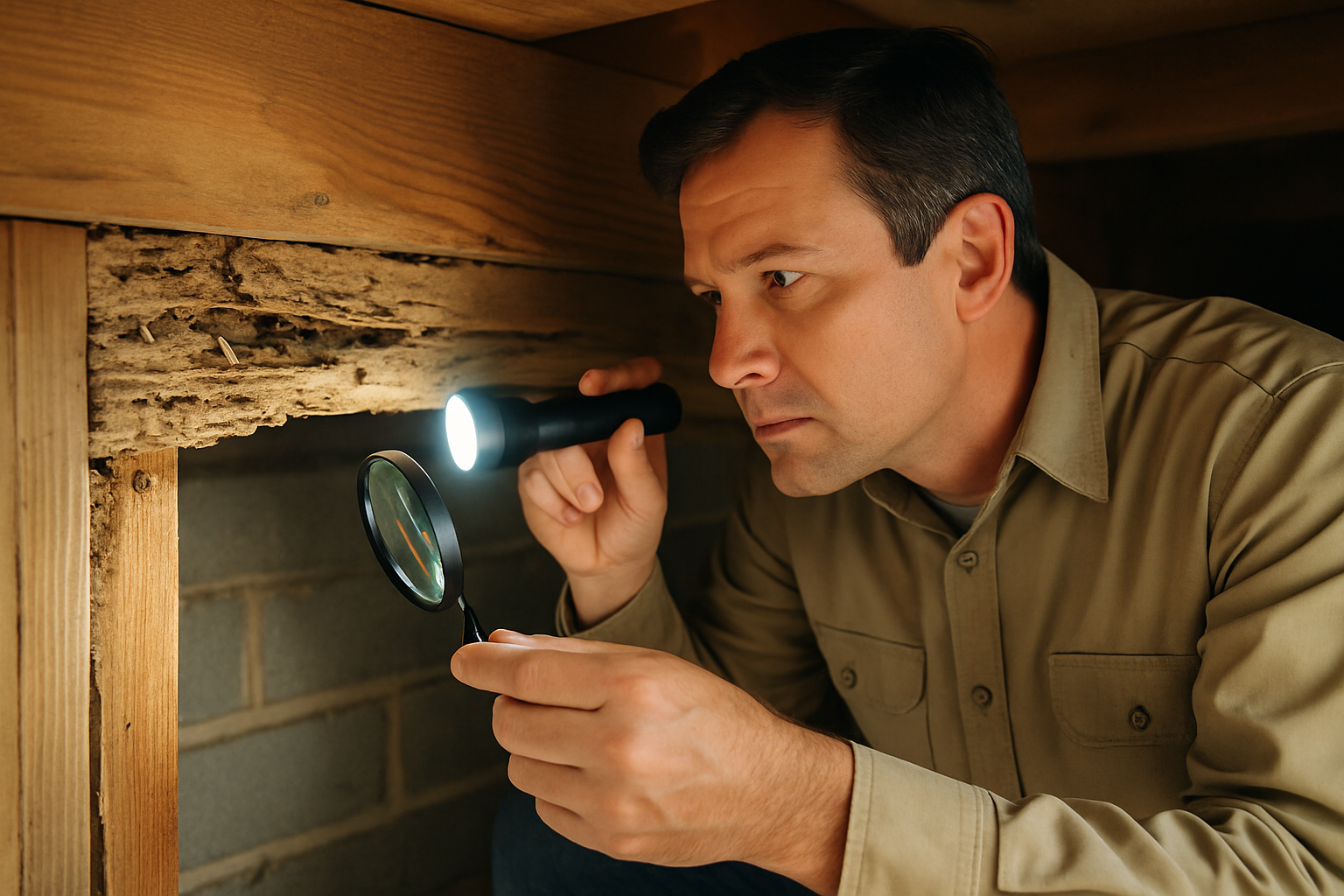
The Ultimate Guide to WDO Inspection: Protect Your Home from Wood-Destroying Organisms
Wood-destroying organisms (WDO) can silently attack the structure of your home, causing expensive damage long before you notice a problem. A professional WDO inspection is one of the most effective ways to protect your investment, preserve property value, and maintain a safe living environment. This guide explains what WDO inspections are, why they matter, and what to expect before, during, and after the inspection process.
What Is a WDO Inspection?
A WDO inspection (Wood-Destroying Organism inspection) is a detailed visual examination of a property to identify signs of insects and organisms that damage wood and cellulose-based building materials. Mortgage lenders, buyers, sellers, and homeowners often request WDO inspections during real estate transactions or as part of routine home maintenance.
During a WDO inspection, a licensed inspector looks for active infestations, previous damage, and conditions that are conducive to infestation. The results are usually documented on a standardized WDO or termite inspection report, which is often required by lenders and insurance companies.
Common organisms evaluated in a WDO inspection include:
- Subterranean termites
- Drywood termites
- Dampwood termites (in some regions)
- Powderpost beetles and other wood-boring beetles
- Carpenter ants and carpenter bees
- Wood-decay fungi (wood rot)
Why WDO Inspections Are Essential for Homeowners
Skipping a WDO inspection can lead to hidden structural problems and unexpected repair costs. Early detection is crucial because most wood-destroying organisms stay concealed inside walls, crawl spaces, framing, or under flooring where they are hard to spot without training and proper tools.
Key reasons WDO inspections are so important include:
- Protecting structural integrity: Termites and other pests can compromise load-bearing beams, floor joists, sill plates, and roof structures.
- Avoiding costly repairs: WDO damage can cost thousands of dollars to correct if not discovered early. Regular inspections help catch problems while they are still manageable.
- Supporting real estate transactions: Buyers and lenders often require a clear WDO report before closing. A documented inspection builds confidence and can prevent closing delays.
- Maintaining property value: A history of professional inspections and treatments can make your home more attractive in competitive markets.
- Improving safety and comfort: Moisture and decay issues that attract WDOs can also contribute to poor indoor air quality and structural hazards.
Whether you are buying, selling, refinancing, or simply maintaining your home, scheduling a professional WDO inspection is a smart, proactive step in protecting your largest investment.
What Inspectors Look For During a WDO Inspection
Licensed WDO inspectors follow a methodical process, examining both the interior and exterior of your home as well as any accessible attached structures such as garages, decks, and porches. Their goal is to identify three primary categories: active infestations, evidence of previous infestation or damage, and conditions that make the structure more vulnerable to future problems.
During a typical WDO inspection, the inspector will:
- Review the exterior: Inspect foundation walls, siding, trim, eaves, decks, steps, and attached fences for:
- Mud tubes or shelter tubes (common with subterranean termites)
- Damaged or hollow-sounding wood
- Buckling or blistering paint
- Wood in contact with soil or mulch
- Gaps, cracks, and entry points around utilities and plumbing
- Evaluate the interior: Check baseboards, window sills, door frames, cabinets, and accessible framing for:
- Termite wings or frass (insect droppings that look like sawdust)
- Small exit holes or galleries in wood surfaces
- Soft, spongy, or discolored wood
- Areas with high moisture or prior water leaks
- Inspect crawl spaces and basements: Focus on structural elements and moisture sources, including:
- Sill plates, joists, beams, and support posts
- Vapor barriers, drainage, and ventilation
- Evidence of water intrusion or plumbing leaks
- Termite shelter tubes on piers, walls, or HVAC lines
- Check attics and roof structures: Look for:
- Wood-boring beetle damage in rafters, trusses, and sheathing
- Carpenter ant activity near roof leaks or moisture-damaged wood
- Inadequate ventilation contributing to condensation and decay
- Document findings: Record all visible signs of WDO activity, damage, inaccessible areas, and risk factors, then compile them into a formal WDO inspection report.
Because inspectors are typically limited to visible and accessible areas, they may note concealed spaces or obstructions (such as heavy storage, finished walls, or insulation) that prevent a complete visual assessment. These limitations will appear on your report so you can decide whether further evaluation is necessary.
How to Prepare Your Home for a WDO Inspection
Proper preparation ensures a more accurate WDO inspection and makes it easier for the inspector to access critical areas throughout your home. Before your scheduled appointment, take a few simple steps to help the inspection go smoothly:
- Clear access points: Move furniture, stored items, and boxes away from:
- Interior walls and baseboards
- Garage walls and shelving areas
- Attic access hatches or pull-down stairs
- Crawl space doors or access panels
- Unlock all areas: Ensure the inspector can easily get into:
- Basements and crawl spaces
- Attics and mechanical rooms
- Detached garages and storage buildings (if included)
- Gates or fenced yard areas around the foundation
- Reduce clutter: Remove debris and unnecessary items from:
- Under decks and porches
- Along foundation walls
- Crawl spaces and basements
- Address moisture issues, if possible: While the inspector will still note these, you can improve conditions by:
- Fixing active plumbing leaks
- Improving drainage away from the foundation
- Ensuring gutters and downspouts are clear and functional
- Gather documentation: Have any previous WDO inspection reports, termite treatment records, and warranty documents ready for review.
With better access and visibility, your inspector can perform a more thorough evaluation and provide a clearer picture of your home’s actual condition.
What Happens After the WDO Inspection?
Once the WDO inspection is complete, the inspector will prepare a written report detailing all observations, findings, and recommendations. This document is critical for both homeowners and real estate professionals because it clearly outlines the current and potential risks associated with wood-destroying organisms on the property.
Your WDO inspection report typically includes:
- Property information: Address, structure type, and inspection date
- Scope and limitations: Areas inspected, inaccessible zones, and any conditions limiting the inspection
- Findings: Evidence of active infestation, previous damage, and conducive conditions such as:
- Wood-to-soil contact
- Excessive moisture or poor ventilation
- Leaking plumbing or roof issues
- Recommended actions: Treatment options, repairs, and preventive measures
- Diagrams or photos (when provided): Visual documentation of key problem areas
Depending on the results, your next steps may include:
- Scheduling professional treatment: If active termites or other WDOs are found, a licensed pest control company can design a treatment plan tailored to your home and region.
- Completing structural repairs: Severely damaged wood, beams, or supports may need to be repaired or replaced by a qualified contractor.
- Correcting moisture and drainage problems: Fix leaks, improve grading, add gutters or French drains, install vapor barriers, and upgrade ventilation to discourage future infestations.
- Setting up ongoing protection: Many homeowners choose annual WDO inspections or termite protection plans to monitor for new activity and maintain coverage for future issues.
If you are in the process of buying or selling a home, the WDO report may also affect negotiations, repair requests, and lender requirements. Addressing issues promptly can help keep your transaction on schedule and reduce last-minute surprises.
Preventing Future WDO Damage: Long-Term Protection Tips
While a one-time inspection is valuable, long-term protection from wood-destroying organisms requires ongoing vigilance and basic home maintenance. A combination of professional services and homeowner awareness is the best strategy for keeping your property safe.
To reduce WDO risk over time, follow these best practices:
- Control moisture:
- Repair roof, plumbing, and exterior leaks quickly
- Keep gutters clean and downspouts directed away from the foundation
- Ensure crawl spaces are well-ventilated and have proper vapor barriers
- Avoid chronic standing water near the foundation or under decks
- Eliminate wood-to-soil contact:
- Maintain a visible gap between soil and siding
- Use concrete or masonry to separate structural wood from soil contact
- Store firewood and lumber away from the house and off the ground
- Manage landscaping:
- Keep shrubs, vines, and mulch away from direct contact with the foundation
- Trim branches that touch the roof or siding
- Avoid excessive mulch depth, which traps moisture and hides termite activity
- Monitor for signs of activity:
- Look for mud tubes, frass, or small exit holes in wood
- Pay attention to doors or windows that suddenly stick or appear misaligned
- Watch for swarming insects or discarded wings indoors or near the foundation
- Schedule routine inspections:
- Have a professional WDO inspection performed regularly, especially in high-risk regions
- Consider a termite protection or monitoring plan for added peace of mind
By combining professional expertise with simple maintenance habits, you can significantly lower the risk of serious WDO damage and extend the life of your home’s structure.
Conclusion: Schedule Your WDO Inspection and Protect Your Home
Wood-destroying organisms can undermine your home from the inside out, but a professional WDO inspection gives you the information you need to act before minor issues turn into major structural problems. Whether you are a homeowner, buyer, seller, or real estate professional, investing in a thorough WDO inspection is a critical step toward safeguarding your property, preserving value, and ensuring long-term peace of mind. If you have not had a recent inspection, or if you are seeing possible signs of termite or wood-boring insect activity, schedule a comprehensive WDO inspection with a licensed local specialist today and take the first step toward lasting protection for your home.
Keep Reading
- Revolutionize Building Maintenance with Cutting-Edge Thermal Imaging Inspection
- Thermal Inspection: Unveiling Hidden Problems for Optimal Building Performance
- How Air Quality Experts Transform Indoor Environments for Better Health
- The Ultimate Guide to WDO Inspection: Protect Your Home from Wood-Destroying Organisms
- Harness the Potential of Thermal Imaging Inspection for Unseen Building Insights