
July 13, 2026
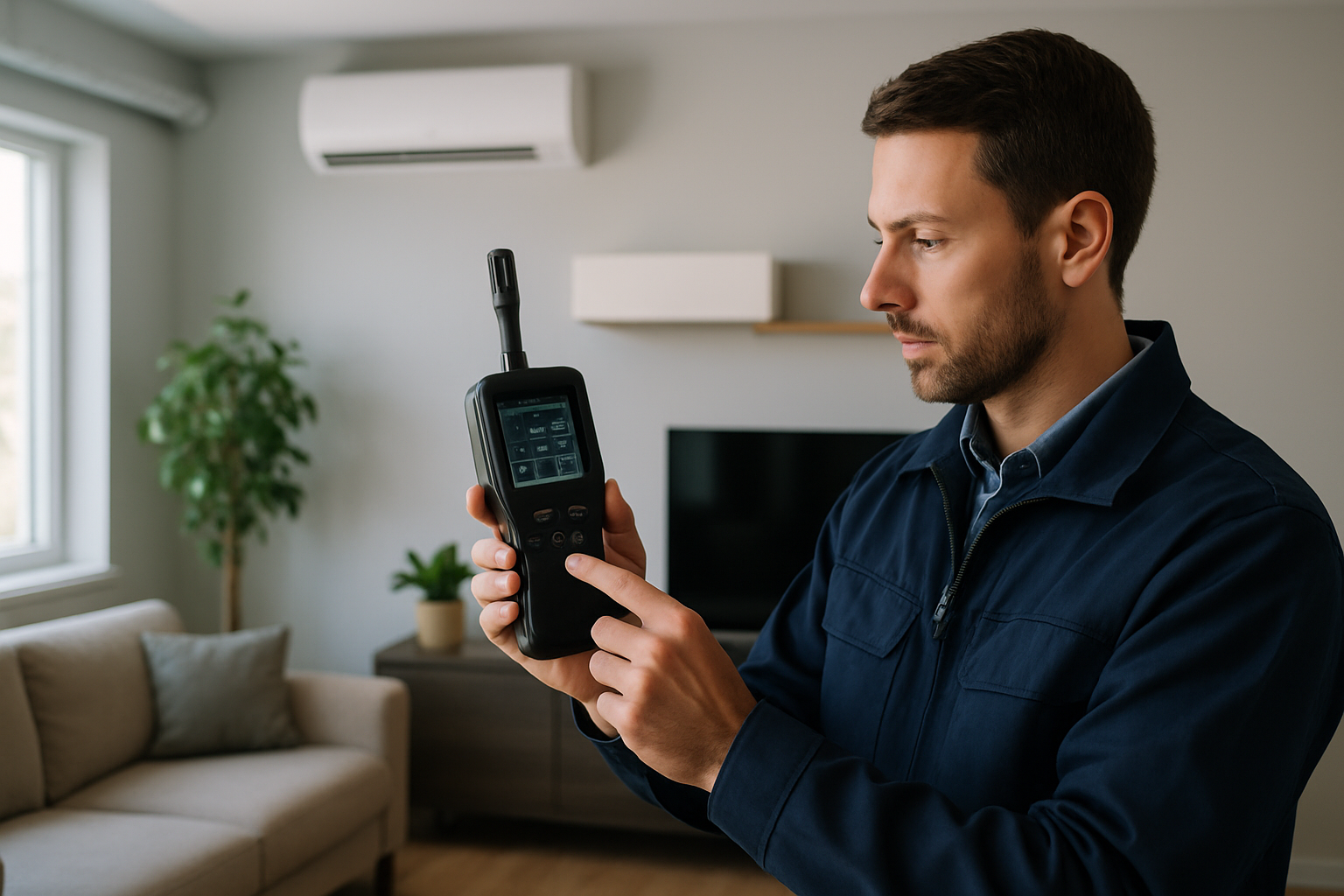
The Essential Role of Air Quality Experts in Creating Healthier Indoor Spaces
Indoor air quality has a direct impact on health, comfort, and productivity—yet it’s often overlooked until problems arise. Air quality experts play a crucial role in identifying hidden pollutants, designing effective solutions, and ensuring that homes, workplaces, and commercial buildings provide safe, healthy environments for occupants.
Why Indoor Air Quality Matters More Than Ever
People now spend up to 90% of their time indoors, making indoor air quality (IAQ) a major factor in long-term wellness. Pollutants can build up quickly in enclosed spaces, especially in energy-efficient buildings that are tightly sealed. Without professional oversight, these contaminants can reach levels far higher than those outdoors.
Common indoor air pollutants that air quality experts help detect and manage include:
- Particulate matter (PM2.5 and PM10): Dust, smoke, pollen, and fine particles that can penetrate deep into the lungs.
- Volatile organic compounds (VOCs): Chemicals released from paint, furniture, cleaning products, and building materials.
- Mold spores and biological contaminants: Mold, bacteria, viruses, and allergens that thrive in damp or poorly ventilated areas.
- Combustion byproducts: Carbon monoxide (CO), nitrogen dioxide (NO₂), and other pollutants from gas stoves, fireplaces, and heaters.
- Radon and other invisible gases: Naturally occurring gases that can accumulate indoors and pose serious health risks.
Poor indoor air quality has been linked to respiratory issues, allergies, headaches, fatigue, cognitive decline, and long-term chronic illness. This is why facility managers, business owners, property developers, and homeowners increasingly rely on certified air quality experts for specialized guidance.
What Air Quality Experts Do: Key Services and Specializations
Air quality experts combine environmental science, building engineering, and health-focused strategies to assess and improve IAQ. Their work typically spans several core services:
1. Comprehensive Indoor Air Quality Assessments
Experts begin with a structured assessment that may include:
- Site walk-through inspections: Identifying visible issues such as water damage, ventilation blockages, or chemical storage concerns.
- Air sampling and laboratory analysis: Measuring levels of particulate matter, VOCs, carbon dioxide, carbon monoxide, mold spores, and other contaminants.
- Ventilation and HVAC evaluation: Checking air exchange rates, filter performance, duct cleanliness, and overall system design.
- Occupant health and comfort surveys: Gathering feedback on symptoms, odors, hot/cold spots, and perceived air quality.
The result is a data-driven picture of current indoor air conditions and their likely sources.
2. HVAC and Ventilation Optimization
Effective ventilation is central to healthy indoor spaces. Air quality specialists work closely with mechanical engineers and HVAC contractors to:
- Verify that fresh air intakes meet or exceed building code and industry standards (such as ASHRAE guidelines).
- Recommend upgrades to filtration systems (e.g., MERV-rated filters or HEPA filtration where appropriate).
- Balance airflows to avoid pressure imbalances that pull in contaminants from undesirable areas.
- Design demand-controlled ventilation strategies using CO₂ or occupancy sensors to maintain air quality efficiently.
These improvements help dilute and remove pollutants while controlling humidity and temperature for occupant comfort.
3. Source Identification and Mitigation
Instead of only treating symptoms, air quality experts focus on identifying and controlling pollutant sources. This may involve:
- Detecting off-gassing from new furnishings, finishes, and building materials.
- Locating moisture intrusion or leaks that support mold growth.
- Finding combustion devices that are improperly vented or malfunctioning.
- Reviewing cleaning products and maintenance practices that introduce unnecessary chemicals.
Once sources are identified, experts prioritize control strategies such as substitution of materials, process changes, enclosure or ventilation of localized sources, and targeted filtration.
4. Mold, Moisture, and Allergen Management
Mold and biological contaminants can be particularly harmful to sensitive individuals. Air quality consultants often provide:
- Mold inspections with visual assessments and, when warranted, surface or air sampling.
- Moisture mapping to trace leaks and condensation issues within walls, ceilings, and mechanical spaces.
- Remediation plans outlining safe cleanup procedures and containment strategies.
- Recommendations for humidity control and long-term prevention measures.
By addressing the root causes of dampness, experts help prevent recurring problems and protect structural integrity.
5. Ongoing Monitoring and IAQ Management Programs
Air quality is dynamic, changing with seasons, occupancy patterns, and operational practices. To maintain optimal conditions, experts often design long-term IAQ management programs that include:
- Continuous or periodic air quality monitoring using calibrated sensors.
- Routine HVAC inspections, filter change schedules, and system performance checks.
- Policies and training for staff or occupants on ventilation, cleaning, and chemical usage.
- Clear IAQ benchmarks and reporting to stakeholders for transparency and compliance.
Benefits of Partnering with Air Quality Experts
Investing in professional IAQ services yields measurable benefits for organizations and individuals alike.
Health and Well-Being
- Reduced respiratory symptoms, allergies, and asthma attacks.
- Lower risk of long-term exposure to hazardous chemicals and pollutants.
- Improved sleep quality and overall comfort for building occupants.
Productivity and Performance
- Fewer sick days and health-related absences in workplaces and schools.
- Enhanced concentration, cognitive performance, and decision-making.
- Better occupant satisfaction, leading to higher retention and engagement.
Compliance, Liability, and Brand Reputation
- Support in meeting building codes, occupational health and safety regulations, and green building certifications.
- Reduced risk of IAQ-related complaints, disputes, or legal claims.
- Stronger reputation as a health-conscious, environmentally responsible organization or property owner.
Energy Efficiency and Operational Savings
- Right-sizing ventilation and filtration to balance air quality with energy use.
- Extending the lifespan of HVAC equipment through better maintenance and system design.
- Preventing costly damage from mold, moisture, and poor air distribution.
How to Choose the Right Air Quality Expert for Your Building
Not all IAQ professionals offer the same level of expertise or services. To find a qualified partner, consider these key factors:
1. Credentials and Experience
- Look for certifications such as CIH (Certified Industrial Hygienist), CIEC (Certified Indoor Environmental Consultant), or equivalent regional/environmental credentials.
- Ask about experience with your building type: residential, commercial, healthcare, education, industrial, or specialized facilities.
- Request case studies or references that demonstrate successful IAQ improvements.
2. Scope of Services and Tools
- Confirm that they offer both assessment and solution design—not just testing.
- Check that they use calibrated, professional-grade monitoring and sampling equipment.
- Ensure they provide clear, actionable reports instead of raw data alone.
3. Independent, Science-Based Recommendations
- Prefer experts who are vendor-neutral and do not solely promote specific products.
- Verify that recommendations are aligned with recognized standards (e.g., WHO, OSHA, EPA, ASHRAE, or equivalent national guidelines).
- Ask how they validate the effectiveness of any proposed IAQ improvements.
4. Communication and Education
- Choose a consultant who explains findings and risks in clear, non-technical language.
- Look for willingness to train your team or occupants on best practices.
- Confirm that they offer follow-up support and periodic re-evaluations.
Practical Steps to Improve Indoor Air Quality Today
While air quality experts provide the most comprehensive solutions, there are immediate actions you can take to start improving indoor air quality:
- Increase natural and mechanical ventilation: Open windows when outdoor air is clean, and ensure existing exhaust fans (kitchens, bathrooms) are working properly.
- Upgrade air filtration: Install higher-efficiency filters recommended for your HVAC system, and replace them on a regular schedule.
- Control moisture: Fix leaks quickly, use dehumidifiers where necessary, and keep indoor humidity between 30–50%.
- Reduce chemical sources: Choose low-VOC paints, adhesives, and furnishings, and store chemicals in well-ventilated areas.
- Maintain cleanliness: Use vacuum cleaners with HEPA filters, damp-dust surfaces, and implement regular deep cleaning routines.
These measures can significantly improve indoor conditions, but a professional assessment is still the best way to uncover hidden issues, prioritize interventions, and develop a long-term IAQ strategy tailored to your space.
Conclusion: Partnering with Air Quality Experts for Healthier Indoor Spaces
Healthy indoor air is not a luxury—it is a fundamental requirement for human health, comfort, and performance. Air quality experts bring the specialized knowledge and tools needed to evaluate complex environments, pinpoint pollution sources, and design targeted, cost-effective solutions. Whether you manage a commercial facility, operate a school or healthcare setting, or simply want a safer home for your family, partnering with an experienced IAQ professional is a powerful step toward cleaner, healthier air. To discover how an air quality expert can help transform your building’s environment, schedule a professional indoor air quality assessment and start building a comprehensive plan for healthier indoor spaces today.
Keep Reading
- Revolutionize Building Maintenance with Cutting-Edge Thermal Imaging Inspection
- Thermal Inspection: Unveiling Hidden Problems for Optimal Building Performance
- How Air Quality Experts Transform Indoor Environments for Better Health
- The Ultimate Guide to WDO Inspection: Protect Your Home from Wood-Destroying Organisms
- Harness the Potential of Thermal Imaging Inspection for Unseen Building Insights