
July 20, 2026
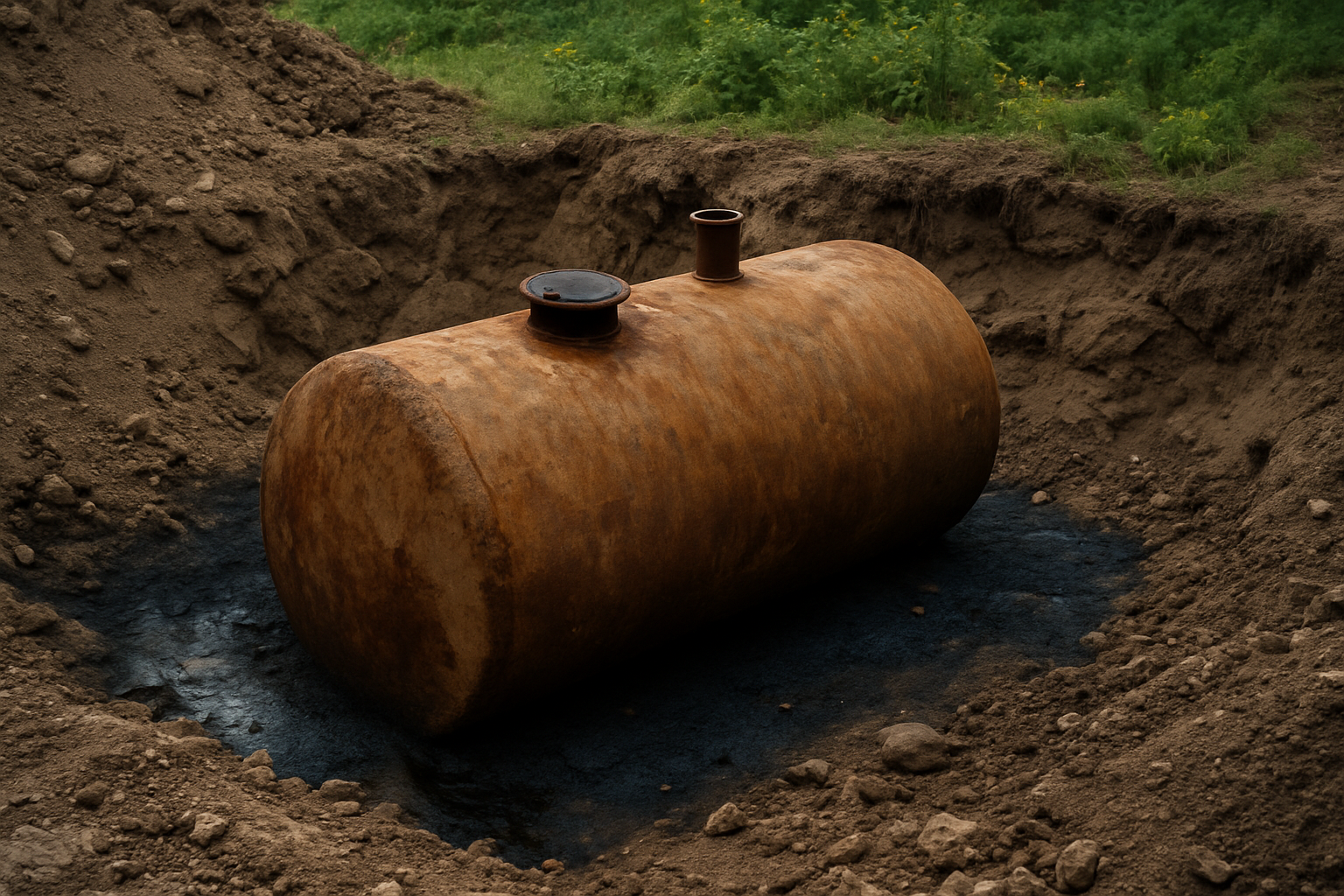
The Environmental Impact of Abandoned Underground Fuel Tanks: What You Should Know
Abandoned underground fuel tanks (USTs) are hidden liabilities beneath many homes, farms, and commercial properties. Even if they have not leaked yet—or were thought to be “properly closed” decades ago—these buried tanks can create serious environmental, health, and financial risks. Understanding how they affect soil, groundwater, and property value is crucial for homeowners, buyers, and businesses alike.
What Are Underground Fuel Tanks and Why Were They Installed?
Underground storage tanks were widely installed from the mid-1900s through the 1980s to store heating oil, gasoline, diesel, and other petroleum products. They were common at:
- Residential properties (especially those once heated by oil)
- Gas stations, truck stops, and fleet yards
- Commercial buildings, schools, hospitals, and municipal sites
- Industrial facilities and agricultural operations
Property owners buried tanks to conserve space, protect fuel from weather, and reduce fire risk at the surface. However, older USTs were often constructed of bare steel with limited corrosion protection. Over time, these tanks can rust, crack, and leak, allowing petroleum products to seep into surrounding soil and groundwater.
Many tanks were simply disconnected and “abandoned in place” without proper closure documentation, soil testing, or removal. Today, those forgotten tanks pose one of the most common sources of localized petroleum contamination in neighborhoods and commercial corridors across the country.
How Abandoned Underground Fuel Tanks Impact the Environment
Abandoned USTs can begin leaking slowly, sometimes for years, before anyone notices. Even small, gradual releases can have long-lasting consequences for local ecosystems and drinking water resources.
Soil Contamination
Leaking fuel can migrate through surrounding soil, creating an underground plume of contamination. Key environmental impacts include:
- Hydrocarbon buildup: Petroleum hydrocarbons bind to soil, reducing soil health and limiting its ability to support plants and beneficial microorganisms.
- Toxic components: Fuels often contain benzene, toluene, ethylbenzene, and xylenes (BTEX), as well as polycyclic aromatic hydrocarbons (PAHs), many of which are toxic or carcinogenic.
- Vapor intrusion potential: Volatile organic compounds (VOCs) can move as vapors through soil and foundations, potentially entering basements and crawlspaces.
Groundwater and Drinking Water Threats
Where groundwater is shallow or soil is permeable, fuel can reach the water table and spread horizontally, impacting a much larger area. Environmental concerns include:
- Private wells: Nearby residential wells can draw in contaminated groundwater, leading to unsafe drinking water and costly remediation.
- Public water supplies: In some regions, leaking USTs have contributed to broader aquifer contamination, affecting municipal systems.
- Long persistence: Without active cleanup, petroleum pollutants can linger in groundwater for decades, continuing to pose risks long after a tank is forgotten.
Risks to Local Ecosystems
Fuel releases from abandoned underground tanks can also harm surrounding ecosystems:
- Vegetation stress: Contaminated soil can stunt or kill trees, landscaping, crops, and native plants.
- Surface water impacts: Contaminated groundwater may discharge into nearby streams, lakes, or wetlands, harming fish, amphibians, and aquatic invertebrates.
- Wildlife exposure: Animals may come into contact with contaminated soil, sediments, or water, leading to bioaccumulation of toxic compounds.
Health and Safety Risks of Abandoned Underground Fuel Tanks
Environmental contamination is only part of the story. Abandoned USTs can create hidden health and safety hazards for people living or working on the property.
Human Health Concerns
Key exposure pathways include:
- Vapor intrusion: Petroleum vapors can migrate upward through foundation cracks, utility lines, and sumps, leading to indoor air contamination. Long-term exposure to some fuel components (such as benzene) is linked with elevated cancer risks and other health issues.
- Direct soil contact: Children and pets playing in contaminated yards, or gardeners digging in affected areas, can be exposed through skin contact or accidental ingestion.
- Contaminated drinking water: In areas served by private wells, undetected leaks can contaminate household water, posing ingestion and inhalation (via shower steam) risks.
Fire, Explosion, and Structural Hazards
Even an “empty” underground fuel tank is rarely truly empty. It may still contain vapors or residual product. Potential risks include:
- Vapor ignition: Improper cutting, drilling, or excavation around an old tank can ignite vapors, causing fire or explosion.
- Corroded tanks as collapse hazards: Severely rusted tanks can cave in over time, leading to surface depressions or sinkholes that pose trip and structural risks.
- Utility conflicts: Old tanks may interfere with new utility installations, leading to construction hazards and unexpected costs.
Property Value, Legal Liability, and Regulatory Considerations
From a property and compliance standpoint, abandoned underground tanks are serious liabilities that can affect transactions, financing, and even land use approvals.
Impacts on Property Value and Real Estate Transactions
Real estate professionals, lenders, and buyers increasingly view USTs as red flags. Consequences may include:
- Reduced property value: Documented or suspected contamination can lead to lower appraised values and diminished buyer interest.
- Financing challenges: Lenders may require tank removal, environmental assessments, or remediation before approving mortgages or commercial loans.
- Deal delays or cancellations: Undisclosed tanks discovered during inspections or environmental due diligence can derail closings and result in costly negotiations.
Legal Liability for Contamination
In many jurisdictions, the owner of a property with an abandoned or leaking UST can be held legally and financially responsible for cleanup—even if they did not install the tank or cause the leak. Potential liabilities include:
- Regulatory enforcement: State or local environmental agencies may issue orders requiring investigation and remediation.
- Third-party claims: Neighbors or nearby businesses affected by groundwater or vapor migration may seek damages.
- Cost recovery actions: If a government agency conducts or funds cleanup, it may pursue reimbursement from responsible parties.
Regulations and Compliance Basics
While specific requirements vary by state and locality, common regulatory expectations include:
- Proper closure procedures: Abandoned tanks typically must be either removed or officially closed in place under permit, often with soil and groundwater testing.
- Documentation: Owners are usually required to maintain closure reports, environmental sampling results, and disposal manifests.
- Ongoing monitoring: In some cases, long-term monitoring wells or vapor mitigation systems may be required after significant releases.
Because rules differ by location and by tank type (commercial vs. residential, regulated vs. unregulated), property owners should contact their state environmental agency or a qualified environmental consultant to clarify obligations.
How to Tell If Your Property Has an Abandoned Underground Fuel Tank
Many property owners are not aware that a tank may be buried on their land—especially in older neighborhoods or on sites that have changed use over time. Signs that a property may contain an abandoned UST include:
- Historic heating systems: The building was once heated with fuel oil and now uses natural gas or electric heat.
- Old fill or vent pipes: Metal pipes protruding near foundations, driveways, or along exterior walls that no longer appear to be in use.
- Unexplained surface features: Depressions, patches in pavement, or oddly placed caps or concrete pads in yards or parking areas.
- Historical records: Old property records, photos, or permits referencing fuel delivery, oil tanks, or service stations.
- Neighboring land use: Nearby properties that are or were gas stations, auto shops, or industrial facilities.
If you suspect a buried tank, a qualified professional can conduct:
- Ground-penetrating radar (GPR) surveys to locate metallic and non-metallic tanks.
- Magnetometer or metal detection scans to identify steel tanks and piping.
- Environmental sampling (soil, groundwater, or vapor) to confirm whether contamination is present.
Proper Management, Removal, and Remediation Options
Once an abandoned underground fuel tank is identified, the next step is to address it in a way that protects health, the environment, and your investment in the property.
Tank Closure and Removal
Proper closure typically involves one of two approaches, often under permit and oversight:
- Tank removal: The tank is excavated, cleaned, cut, and disposed of at an approved facility. Surrounding soil is inspected and often sampled for contamination.
- Closure in place: Where physical removal is not feasible (e.g., tanks under buildings), the tank may be cleaned, filled with an inert material (such as sand or slurry), and documented as closed in place, usually with environmental testing.
Best practices include:
- Hiring an experienced, licensed tank removal contractor or environmental firm.
- Obtaining appropriate local or state permits before work begins.
- Documenting all stages of the closure, including photos, manifests, and analytical reports.
Soil and Groundwater Cleanup
If contamination is discovered, remediation strategies depend on the extent and severity of the release. Common methods include:
- Excavation and disposal: Digging up and removing contaminated soil, followed by backfilling with clean material.
- In-situ treatment: Injecting oxygen, nutrients, or chemical oxidants to break down contaminants underground.
- Bioremediation: Encouraging naturally occurring microbes to degrade petroleum hydrocarbons.
- Pump-and-treat systems: Pumping contaminated groundwater to the surface for treatment and discharge or reinjection.
In some cases, regulatory agencies may allow a “risk-based” approach, where limited contamination can remain in place if it does not pose unacceptable risks and if institutional controls (such as deed restrictions) are implemented.
Benefits of Proactive Action
Addressing abandoned underground fuel tanks before they cause major problems offers several advantages:
- Reduced cleanup costs: Early detection typically means smaller impacted areas and simpler remediation.
- Improved property marketability: Documentation of proper closure and cleanup reassures buyers, lenders, and insurers.
- Regulatory compliance and risk reduction: Proactive management helps avoid enforcement actions, legal disputes, and emergency response costs.
Conclusion: Protect Your Property and the Environment from Hidden Tank Risks
Abandoned underground fuel tanks may be out of sight, but they should never be out of mind. From soil and groundwater contamination to health hazards, legal liability, and reduced property value, the risks of ignoring an old UST can be significant. If your property—or a property you are considering buying—may contain a buried tank, the most responsible step is to seek professional guidance. Contact a qualified underground storage tank removal and environmental assessment specialist in your area to evaluate your site, identify any hidden tanks, and develop a safe, compliant plan for closure and cleanup. Taking action now can protect your health, your investment, and your community’s environment for years to come.
Keep Reading
- Revolutionize Building Maintenance with Cutting-Edge Thermal Imaging Inspection
- Thermal Inspection: Unveiling Hidden Problems for Optimal Building Performance
- How Air Quality Experts Transform Indoor Environments for Better Health
- The Ultimate Guide to WDO Inspection: Protect Your Home from Wood-Destroying Organisms
- Harness the Potential of Thermal Imaging Inspection for Unseen Building Insights