
August 10, 2026
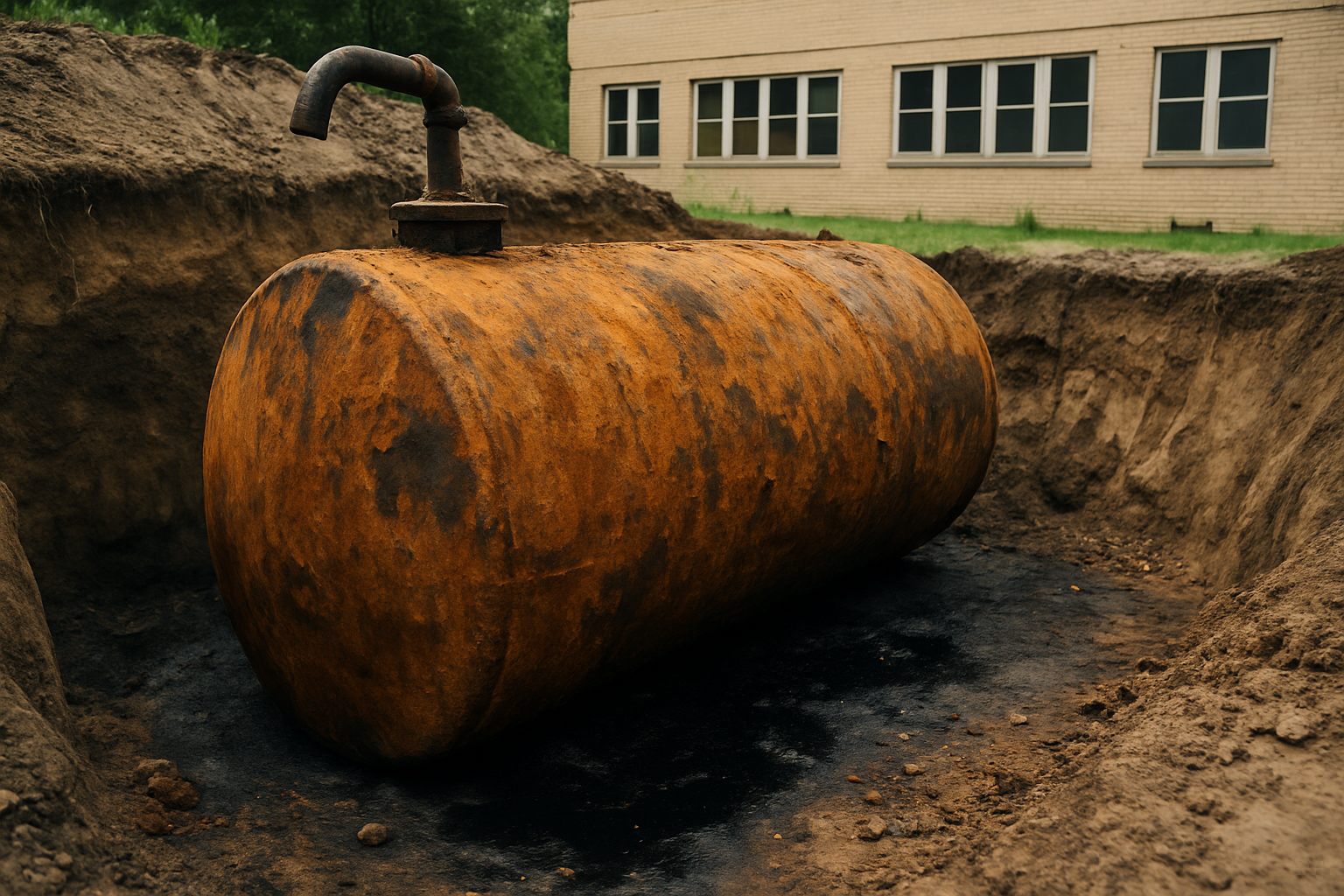
The Environmental and Financial Implications of Abandoned Underground Fuel Tanks
Abandoned underground fuel tanks (USTs) pose serious and often hidden environmental, safety, and financial risks for property owners, buyers, and communities. Understanding how these tanks affect soil, groundwater, liability, and property value is essential for making informed decisions and staying compliant with regulations.
What Are Abandoned Underground Fuel Tanks?
Abandoned underground fuel tanks are storage tanks that were once used to hold gasoline, diesel, heating oil, or other petroleum products and are now out of service but left in the ground. Many of these tanks were installed decades ago, before modern environmental standards existed.
Common properties where abandoned USTs are found include:
- Former gas stations and service stations
- Residential homes with old heating-oil tanks
- Commercial and industrial facilities
- Farms and rural properties
- Institutional sites such as schools, hospitals, and municipal buildings
Because these tanks are buried, they are often forgotten or undocumented, leading to surprise discoveries during property transactions, construction, or environmental due diligence.
Environmental Risks of Abandoned Underground Fuel Tanks
Even small leaks from an unused tank can create widespread contamination. Over time, metal tanks corrode, seals fail, and residual fuel or sludge can escape into the surrounding soil and groundwater.
Key environmental impacts include:
- Soil contamination: Hydrocarbon leaks can saturate surrounding soils, creating long-lasting pollution that is costly to remove.
- Groundwater pollution: Fuel and its breakdown products can migrate into groundwater, affecting private wells and public drinking water supplies.
- Vapor intrusion: Volatile organic compounds (VOCs) may move as soil vapor into nearby buildings, posing inhalation risks for occupants.
- Ecological damage: Contaminated runoff or groundwater can harm vegetation, wildlife, and aquatic ecosystems.
Specific contaminants commonly associated with abandoned USTs include:
- Benzene, toluene, ethylbenzene, and xylene (BTEX)
- Polycyclic aromatic hydrocarbons (PAHs)
- MTBE and other fuel oxygenates
- Lead and other legacy additives
These chemicals are linked to cancer, nervous system damage, and other health issues, and many persist in the environment for years if not properly remediated.
Financial and Legal Liabilities for Property Owners
The financial implications of an abandoned underground fuel tank can easily exceed the value of a property if issues are ignored. Whether you are a homeowner, commercial property owner, investor, or developer, liability can be significant.
Potential financial and legal consequences include:
- Assessment and cleanup costs: Environmental site assessments, tank removal, soil excavation, and groundwater treatment can range from tens of thousands to hundreds of thousands of dollars.
- Regulatory penalties: Failure to properly close or manage USTs can result in fines from local, state, or federal agencies.
- Third-party claims: Neighbors, tenants, or municipal entities may seek damages if contamination spreads beyond property boundaries or affects drinking water.
- Increased insurance costs or denial of coverage: Environmental risks can lead to higher premiums or exclusions for pollution-related claims.
- Transaction delays or deal failures: Undisclosed or unmanaged USTs can derail sales, refinancing, or redevelopment projects.
From a legal perspective, many jurisdictions impose strict or joint-and-several liability, meaning that current and sometimes past owners can be held responsible for cleanup, even if they did not cause the leak. This makes proactive management of abandoned tanks critical to limiting long-term exposure.
Impact on Property Value, Lending, and Real Estate Transactions
Abandoned underground fuel tanks are a red flag in real estate and commercial lending. Environmental risk directly influences appraised value, buyer interest, and terms of financing.
Ways USTs affect property value and transactions include:
- Reduced marketability: Properties with known or suspected USTs often stay on the market longer and attract fewer buyers.
- Lower sale price: Buyers typically demand a discount to offset the cost and risk of investigation, closure, or remediation.
- Lender requirements: Banks and other lenders may require environmental due diligence (such as Phase I and Phase II Environmental Site Assessments) when USTs are suspected, potentially delaying closing timelines.
- Contingencies and escrows: Purchase agreements often include environmental contingencies, cost-sharing arrangements, or escrow funds to address UST removal and cleanup.
- Limitations on redevelopment: Contaminated sites may face zoning, permitting, or construction challenges, limiting how a property can be used or increasing redevelopment costs.
For buyers and investors, identifying UST-related issues early is essential for accurate budgeting, risk management, and negotiation. For sellers, addressing abandoned tanks proactively can help preserve property value and streamline the sales process.
How to Identify, Manage, and Remove Abandoned Underground Fuel Tanks
Effective management of abandoned underground fuel tanks follows a structured, regulatory-compliant process. The goal is to identify potential tanks, evaluate associated risks, and implement appropriate closure and remediation steps.
Typical steps include:
- Historical research and records review: Examine property deeds, permits, utility records, aerial photographs, and fire or building department files for evidence of past fuel storage.
- Site reconnaissance: Look for surface indicators such as vent pipes, fill pipes, concrete pads, or unusual depressions that may signal a buried tank.
- Non-invasive subsurface investigation: Use methods like ground-penetrating radar (GPR), magnetometers, or electromagnetic surveys to locate and map suspected tanks.
- Regulatory consultation: Contact relevant environmental and building authorities to confirm applicable UST closure and reporting requirements in your jurisdiction.
- Tank closure in place or removal: Work with a licensed UST contractor to either remove the tank or, where permitted, clean and close it in place following code requirements.
- Soil and groundwater testing: Collect samples around the tank pit to evaluate whether contamination has occurred and to what extent.
- Remediation if necessary: Implement remediation strategies, which may include soil excavation, in-situ treatment, soil vapor extraction, or monitored natural attenuation.
- Documentation and regulatory sign-off: Maintain complete records of closure, cleanup, and agency approvals to support future property transactions and demonstrate compliance.
Because UST discovery and cleanup are technical and highly regulated, partnering with an experienced environmental consultant or UST removal contractor is strongly recommended. Professional guidance helps ensure that all steps are properly executed, documented, and aligned with current environmental standards.
Best Practices to Minimize Risk and Protect Your Investment
Whether you already own a property or are considering a purchase, a proactive approach to abandoned underground fuel tanks can significantly reduce environmental and financial risk.
Recommended best practices include:
- Conduct environmental due diligence: For commercial properties or sites with a history of fuel use, consider a Phase I Environmental Site Assessment before purchase or refinancing.
- Ask direct questions: When buying property, inquire specifically about any past fuel storage, heating oil systems, or prior environmental issues.
- Review available documentation: Request tank closure reports, environmental permits, and any prior soil or groundwater testing results.
- Budget for contingencies: Set aside funds to address potential UST investigation, removal, and cleanup where there is a known or suspected tank.
- Maintain clear records: Keep organized documentation of all UST-related activities to support future transactions, leasing, or redevelopment projects.
- Engage qualified professionals: Work with licensed environmental consultants, UST contractors, and environmental attorneys when necessary.
Implementing these strategies not only protects human health and the environment but also supports long-term asset value and smoother real estate transactions.
Abandoned underground fuel tanks carry hidden environmental and financial consequences that can escalate quickly if left unaddressed. By understanding how these tanks impact soil, groundwater, liability, and property value, owners and buyers can take informed, proactive steps to manage risk. If you suspect an abandoned underground fuel tank on your property or are evaluating a site with a history of fuel use, take action now—consult an experienced environmental professional, investigate potential USTs, and develop a clear plan for closure and cleanup to protect both your investment and the environment.
Keep Reading
- Revolutionize Building Maintenance with Cutting-Edge Thermal Imaging Inspection
- Thermal Inspection: Unveiling Hidden Problems for Optimal Building Performance
- How Air Quality Experts Transform Indoor Environments for Better Health
- The Ultimate Guide to WDO Inspection: Protect Your Home from Wood-Destroying Organisms
- Harness the Potential of Thermal Imaging Inspection for Unseen Building Insights