
May 6, 2026
Maximize Energy Efficiency: The Ultimate Guide to Thermal Imaging Inspection
nn
In today’s world, energy efficiency is more important than ever. One of the most effective ways to ensure your home or business is operating at peak efficiency is through thermal imaging inspection. This guide will walk you through the benefits, process, and applications of thermal imaging, helping you to save money and reduce your environmental impact.
nn
What is Thermal Imaging Inspection?
n
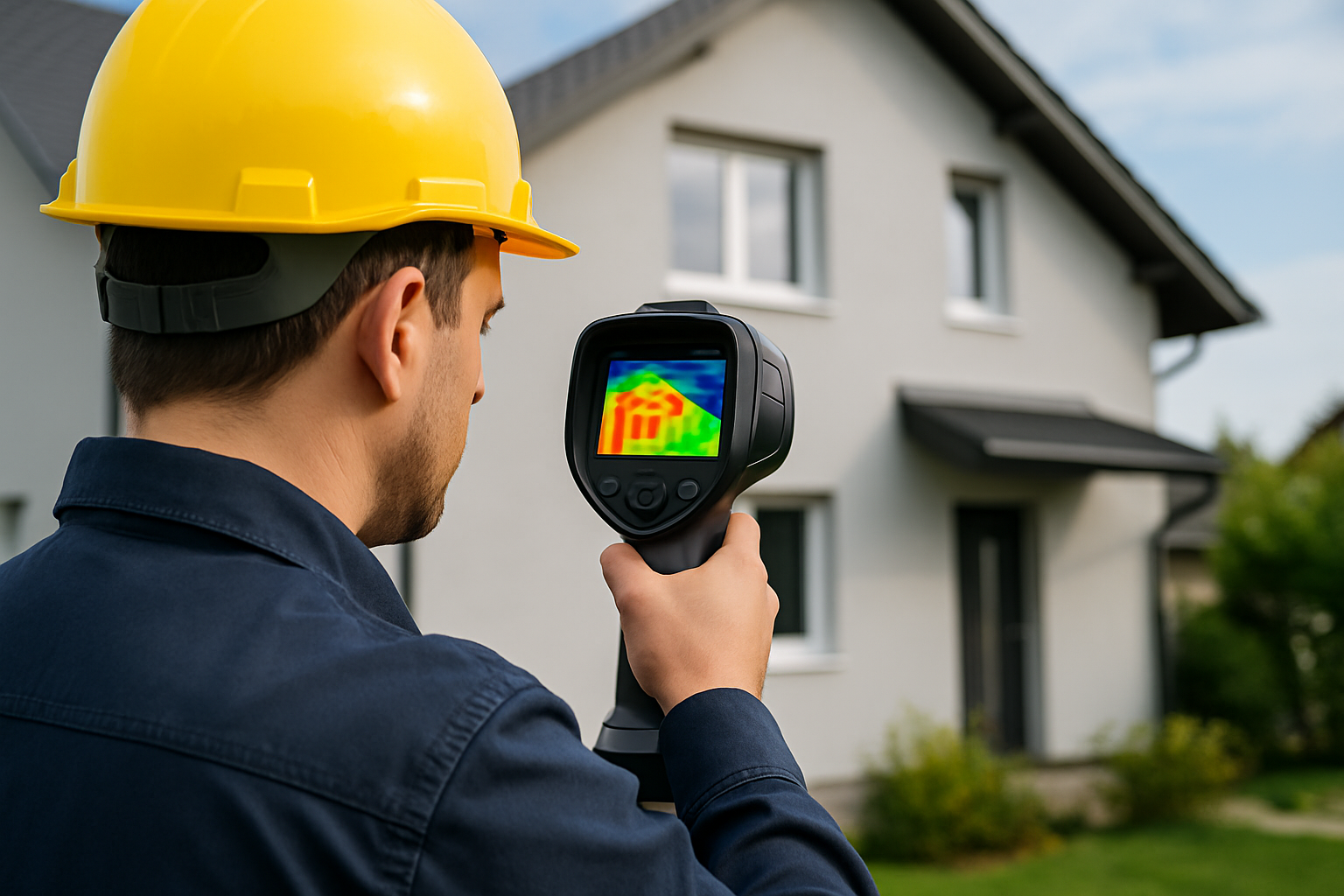
Thermal imaging inspection is a non-invasive method that uses infrared technology to detect heat patterns and temperature variations in buildings. This technique allows inspectors to identify areas where energy is being lost, such as through poor insulation, air leaks, or electrical faults. By visualizing these issues, property owners can take corrective actions to improve energy efficiency.
nn
Benefits of Thermal Imaging Inspection
n
Thermal imaging offers numerous advantages, making it a valuable tool for both residential and commercial properties:
n
- n
- Energy Savings: By identifying and addressing energy leaks, you can significantly reduce your utility bills.
- Preventive Maintenance: Detect potential issues before they become costly repairs.
- Increased Comfort: Improve indoor comfort by ensuring consistent temperatures throughout your property.
- Environmental Impact: Reduce your carbon footprint by optimizing energy use.
n
n
n
n
nn
How Does Thermal Imaging Work?
n
Thermal imaging cameras capture infrared radiation emitted by objects. This radiation is converted into an image that displays temperature variations. Warmer areas appear in shades of red and yellow, while cooler areas appear in blue and green. Inspectors analyze these images to pinpoint areas of concern, such as:
n
- n
- Insulation gaps
- Air leaks around windows and doors
- Moisture intrusion
- Electrical hotspots
n
n
n
n
nn
Applications of Thermal Imaging Inspection
n
Thermal imaging is versatile and can be applied in various scenarios:
n
- n
- Home Inspections: Identify energy inefficiencies and potential hazards in residential properties.
- Commercial Buildings: Ensure HVAC systems and electrical installations are functioning optimally.
- Industrial Facilities: Monitor machinery and equipment for overheating and maintenance needs.
- Roof Inspections: Detect water leaks and insulation problems in roofing systems.
n
n
n
n
nn
Choosing a Thermal Imaging Inspection Service
n
When selecting a thermal imaging inspection service, consider the following factors:
n
- n
- Certification: Ensure the inspector is certified and experienced in thermal imaging technology.
- Equipment: Verify that the service uses high-quality, up-to-date thermal imaging cameras.
- Reputation: Look for reviews and testimonials from previous clients to gauge the service’s reliability.
- Comprehensive Reporting: Choose a service that provides detailed reports with actionable insights.
n
n
n
n
nn
In conclusion, thermal imaging inspection is a powerful tool for maximizing energy efficiency and ensuring the safety and comfort of your property. By identifying and addressing energy leaks and potential issues, you can save money, enhance comfort, and reduce your environmental impact. Ready to take the next step? Contact a certified thermal imaging inspection service today and start optimizing your energy use!
Keep Reading
- Revolutionize Building Maintenance with Cutting-Edge Thermal Imaging Inspection
- Thermal Inspection: Unveiling Hidden Problems for Optimal Building Performance
- How Air Quality Experts Transform Indoor Environments for Better Health
- The Ultimate Guide to WDO Inspection: Protect Your Home from Wood-Destroying Organisms
- Harness the Potential of Thermal Imaging Inspection for Unseen Building Insights