
April 28, 2026
Maximize Efficiency and Safety: The Ultimate Guide to Thermal Inspection Techniques
nn
In today’s fast-paced industrial world, ensuring the efficiency and safety of equipment is paramount. Thermal inspection techniques have emerged as a critical tool in maintaining operational excellence. This guide delves into the various methods of thermal inspection, offering insights into how they can enhance both safety and efficiency in your operations.
nn
Understanding Thermal Inspection
n
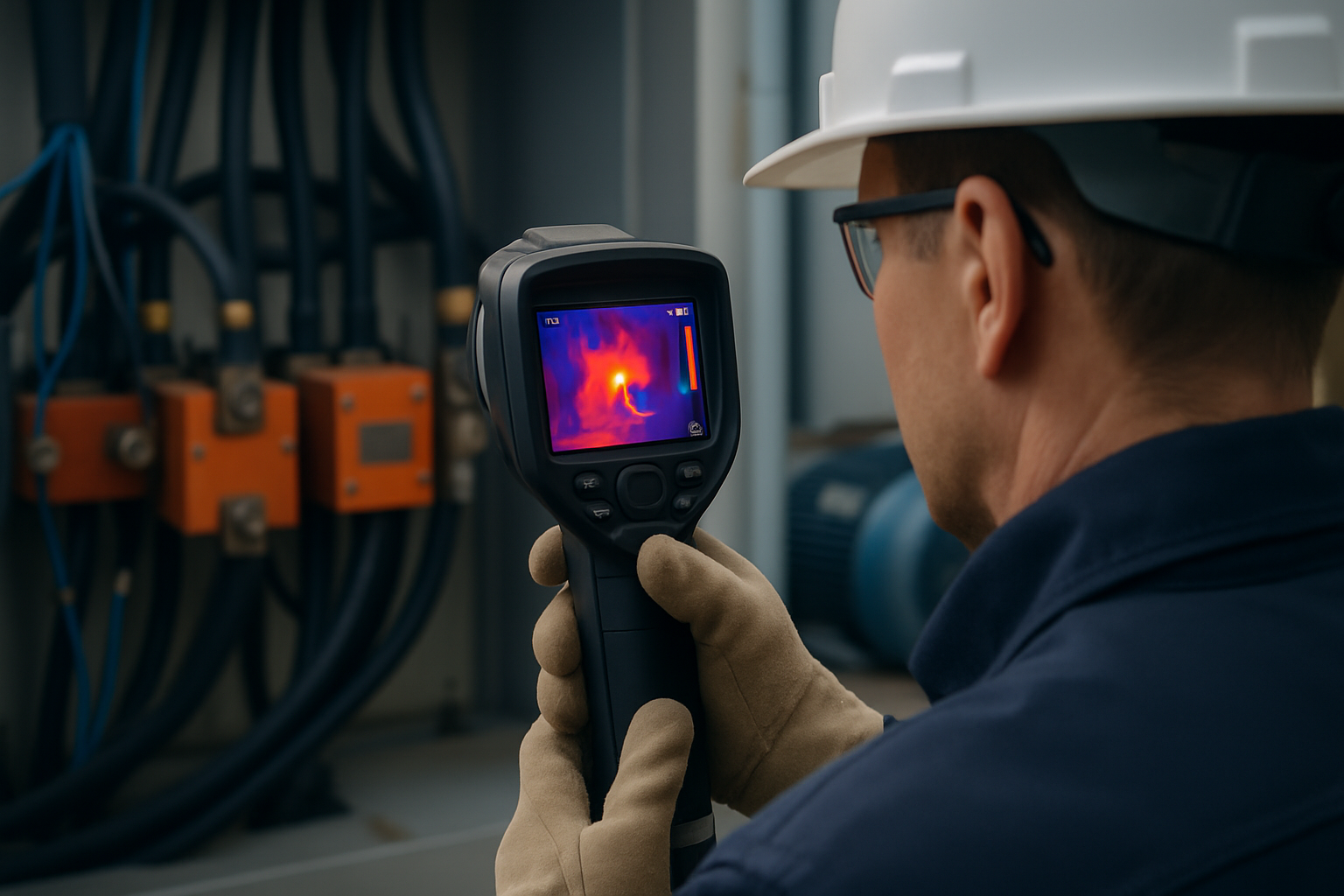
Thermal inspection involves the use of infrared technology to detect heat patterns and anomalies in equipment. By identifying areas of excessive heat or unusual thermal signatures, potential issues can be addressed before they lead to costly failures or safety hazards. This non-invasive technique is widely used across industries, from manufacturing to electrical maintenance.
nn
Key Benefits of Thermal Inspection
n
Implementing thermal inspection techniques offers numerous advantages:
n
- n
- Preventive Maintenance: Early detection of issues allows for timely maintenance, reducing downtime and extending equipment life.
- Safety Enhancement: Identifying overheating components can prevent fires and other safety incidents.
- Cost Efficiency: By avoiding unexpected breakdowns, companies can save on repair costs and lost productivity.
- Energy Conservation: Detecting and addressing inefficiencies can lead to significant energy savings.
n
n
n
n
nn
Common Thermal Inspection Techniques
n
Several techniques are employed in thermal inspections, each suited to different applications:
n
- n
- Infrared Thermography: This technique uses infrared cameras to capture thermal images, providing a visual representation of temperature variations.
- Spot Radiometry: A focused approach that measures temperature at specific points, ideal for detailed analysis of critical components.
- Line Scanning: Used for continuous monitoring of moving objects, such as conveyor belts, to detect anomalies in real-time.
n
n
n
nn
Applications of Thermal Inspection
n
Thermal inspection is versatile and can be applied in various sectors:
n
- n
- Electrical Systems: Identifying overheating in circuits and connections to prevent electrical fires.
- Mechanical Equipment: Monitoring bearings, motors, and other components for signs of wear or misalignment.
- Building Inspections: Detecting heat loss in buildings to improve insulation and energy efficiency.
- Quality Control: Ensuring uniformity in manufacturing processes by monitoring temperature consistency.
n
n
n
n
nn
Implementing a Thermal Inspection Program
n
To maximize the benefits of thermal inspection, consider the following steps:
n
- n
- Assess Your Needs: Determine which areas of your operations would benefit most from thermal inspection.
- Select the Right Equipment: Choose infrared cameras and other tools that meet your specific requirements.
- Train Your Team: Ensure that personnel are properly trained in thermal inspection techniques and equipment use.
- Regular Monitoring: Establish a schedule for routine inspections to maintain ongoing safety and efficiency.
n
n
n
n
nn
In conclusion, thermal inspection is an invaluable tool for enhancing the safety and efficiency of industrial operations. By adopting the right techniques and maintaining a proactive inspection program, businesses can prevent costly failures and ensure a safer working environment. Ready to implement thermal inspection in your operations? Contact us today to learn more about our comprehensive thermal inspection solutions.
Keep Reading
- Revolutionize Building Maintenance with Cutting-Edge Thermal Imaging Inspection
- Thermal Inspection: Unveiling Hidden Problems for Optimal Building Performance
- How Air Quality Experts Transform Indoor Environments for Better Health
- The Ultimate Guide to WDO Inspection: Protect Your Home from Wood-Destroying Organisms
- Harness the Potential of Thermal Imaging Inspection for Unseen Building Insights