
June 22, 2026
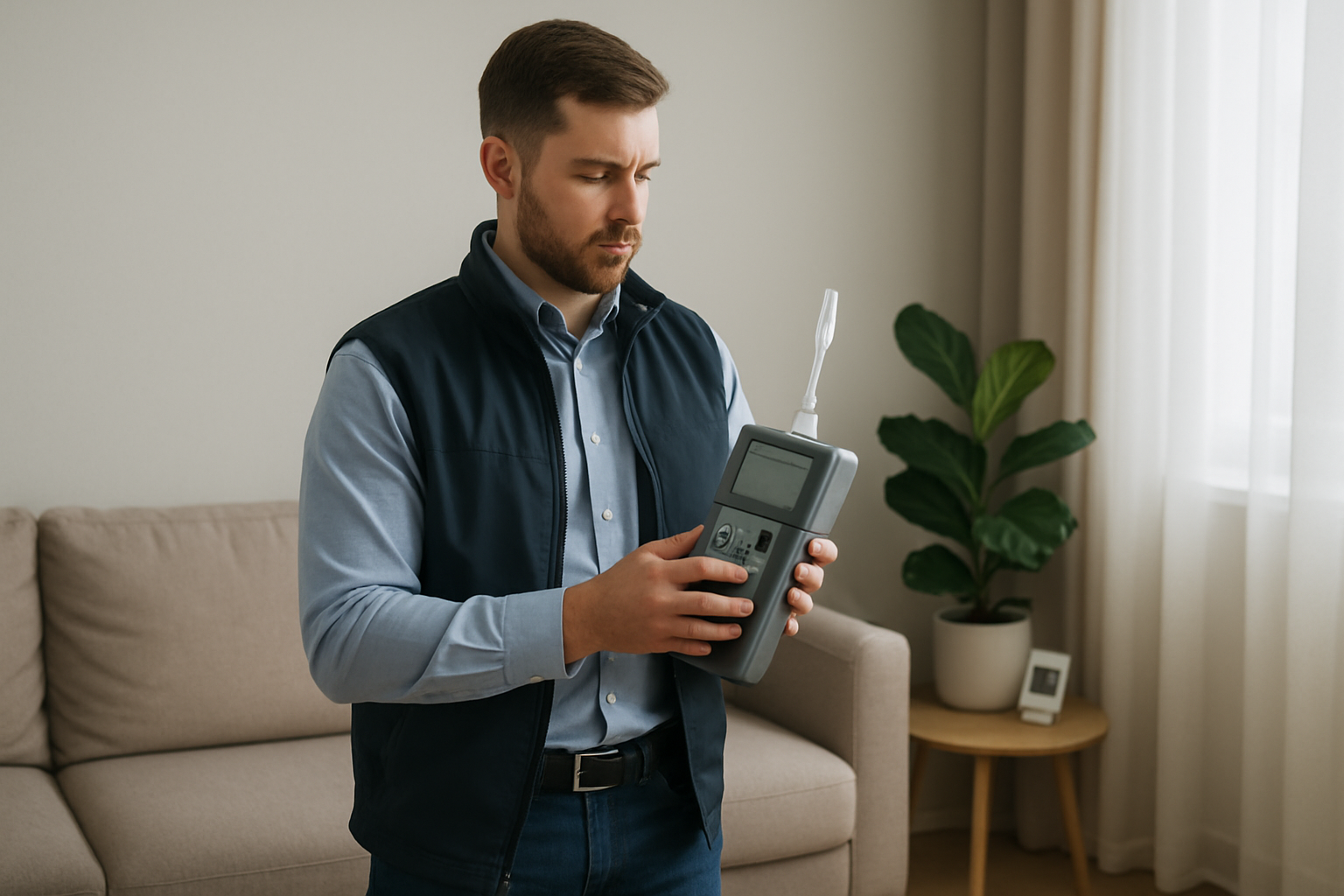
Improve Your Health with Comprehensive NJ Indoor Air Quality Testing
Indoor air quality (IAQ) has a direct impact on your health, comfort, and energy levels. If you live or work in New Jersey, a professional NJ indoor air quality test can uncover hidden pollutants, allergens, and moisture problems before they become serious health or structural issues. Learn how comprehensive IAQ testing works, what it detects, and how it helps protect your family or employees.
Why Indoor Air Quality Testing Matters in New Jersey
New Jersey homes, offices, schools, and industrial buildings face unique indoor air challenges because of the state’s climate, older housing stock, and dense population. Between humid summers, cold winters, and frequent freeze-thaw cycles, buildings in NJ are prone to moisture intrusion, poor ventilation, and trapped contaminants.
Common reasons property owners in New Jersey schedule indoor air quality testing include:
- Unexplained allergy or asthma flare-ups at home or work
- Musty or “old” odors that persist despite cleaning
- Recent water damage, leaks, or flooding
- Buying or selling a home and wanting an IAQ health check
- Concerns about radon, mold, or VOCs in older buildings
A professional NJ indoor air quality test gives you data-driven insights so you can make informed decisions about remediation, ventilation upgrades, or HVAC improvements.
What a Comprehensive NJ Indoor Air Quality Test Includes
A thorough indoor air quality assessment in New Jersey goes beyond a simple mold check. Depending on your concerns and building type, a qualified IAQ specialist may test for:
- Mold spores and fungi: Air and surface sampling to detect visible and hidden mold growth.
- Allergens and particulates: Dust, pet dander, pollen, and fine particulate matter (PM2.5 and PM10) that can irritate lungs.
- Radon gas: A naturally occurring radioactive gas common in parts of New Jersey that increases lung cancer risk.
- Volatile Organic Compounds (VOCs): Chemical off-gassing from paints, flooring, furnishings, and cleaning products.
- Carbon monoxide and combustion byproducts: From furnaces, fireplaces, stoves, and attached garages.
- Carbon dioxide (CO₂) and ventilation efficiency: Indicators of stale air and inadequate fresh-air exchange.
- Humidity and moisture mapping: Identifying areas where high humidity or hidden leaks promote mold growth.
- Formaldehyde and other specific chemicals: As needed for new construction, renovations, or sensitive individuals.
Your NJ IAQ provider will tailor the testing panel to your building’s age, location, usage, and any symptoms occupants are experiencing.
The Indoor Air Quality Testing Process in New Jersey
Understanding what to expect from a NJ indoor air quality test can help you prepare and get the most accurate results. While each company’s process varies, a typical comprehensive assessment includes:
- Initial consultation and history: The inspector asks about health complaints, odors, water damage, renovations, and HVAC history.
- Visual inspection: Walls, ceilings, basements, attics, crawlspaces, and mechanical rooms are checked for stains, deterioration, condensation, or visible mold.
- Moisture and humidity measurements: Meters and hygrometers are used to find damp materials and monitor indoor relative humidity.
- Air and surface sampling: Air pumps, cassettes, swabs, or tape lifts collect samples for lab analysis of mold, particulates, or fibers.
- Gas and chemical testing: Monitors or test kits capture data on radon, VOCs, carbon monoxide, carbon dioxide, and other key parameters.
- HVAC system evaluation: Filters, ducts, coils, and returns are inspected for dust buildup, microbial growth, and ventilation effectiveness.
- Laboratory analysis and report: An accredited lab analyzes collected samples, and you receive a clear, written report explaining findings.
A well-prepared NJ indoor air quality report typically includes contaminant levels, comparisons to health or industry guidelines, photos, and prioritized recommendations to improve your air.
Health Benefits of Professional IAQ Testing in NJ
Poor indoor air quality affects people differently, but many New Jersey residents notice improvements in how they feel once IAQ problems are identified and corrected. Benefits can include:
- Reduced allergy and asthma symptoms: Identifying and controlling mold, dust mites, and pet dander can lessen sneezing, coughing, wheezing, and congestion.
- Fewer headaches and fatigue: Lowering VOCs, carbon monoxide, and high CO₂ can lead to clearer thinking and more stable energy levels.
- Better sleep quality: Cleaner, properly humidified air helps reduce nighttime congestion and irritation.
- Protection for vulnerable occupants: Children, older adults, and those with compromised immune systems are especially sensitive to indoor pollutants.
- Long-term health protection: Detecting radon, chronic mold exposure, or chemical off-gassing early can lower long-term health risks.
By partnering with a trusted NJ indoor air quality testing company, you get actionable information that supports both immediate comfort and long-term wellness.
How to Choose a Reliable NJ Indoor Air Quality Testing Company
Because IAQ directly affects health and property value, it is important to work with a qualified local expert. When comparing New Jersey indoor air quality testing providers, consider:
- Credentials and training: Look for certifications such as CIE (Certified Indoor Environmentalist), CMI (Certified Microbial Investigator), or similar industry credentials.
- Experience with NJ buildings: Choose a company familiar with New Jersey’s climate, building codes, and common regional IAQ issues.
- Independent, unbiased testing: Ideally, the testing company should not also sell remediation services, helping reduce conflicts of interest.
- Comprehensive testing options: Confirm they offer mold, radon, VOC, combustion gas, and ventilation assessments based on your needs.
- Clear, detailed reporting: Ask for sample reports to ensure results are easy to understand, with practical, prioritized recommendations.
- Positive local reviews: Check online reviews and ask for references from homeowners or businesses in your part of New Jersey.
A reputable NJ IAQ specialist will answer your questions, explain testing methods in plain language, and help you interpret results so you can make confident decisions.
Next Steps: Schedule Your NJ Indoor Air Quality Test
If you suspect issues with your indoor air—or simply want peace of mind—now is the time to schedule a comprehensive NJ indoor air quality test. Early detection of mold, radon, chemical pollutants, or ventilation problems can help you avoid costly repairs, protect your property, and safeguard the health of everyone who lives or works in your building.
Take control of your environment today: contact a trusted NJ indoor air quality testing company, request a full assessment tailored to your property, and start breathing cleaner, healthier air.
Keep Reading
- Revolutionize Building Maintenance with Cutting-Edge Thermal Imaging Inspection
- Thermal Inspection: Unveiling Hidden Problems for Optimal Building Performance
- How Air Quality Experts Transform Indoor Environments for Better Health
- The Ultimate Guide to WDO Inspection: Protect Your Home from Wood-Destroying Organisms
- Harness the Potential of Thermal Imaging Inspection for Unseen Building Insights