
September 7, 2026
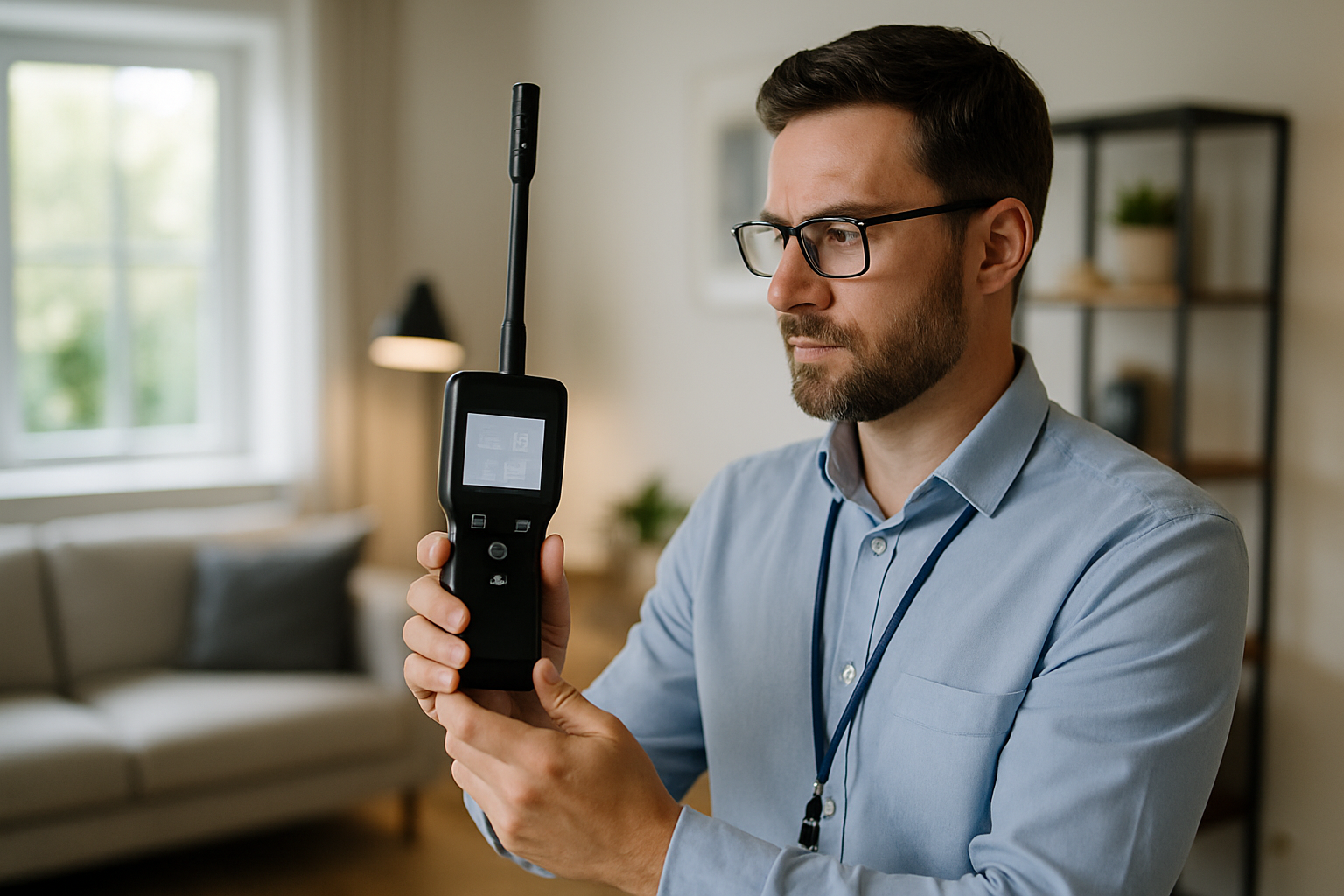
How Air Quality Experts Transform Indoor Environments for Better Health
Indoor air quality has a direct impact on how you feel, think, and perform every day. From hidden pollutants to excessive humidity and poor ventilation, the air inside homes and workplaces can quietly undermine health and comfort. Air quality experts use specialized tools, data, and science-based strategies to identify problems and create healthier indoor environments for families, employees, and customers.
Why Indoor Air Quality Matters More Than You Think
Most people spend 80–90% of their time indoors, which means the quality of indoor air often has a greater effect on health than outdoor pollution. Poor indoor air quality (IAQ) is linked to a range of issues, from minor irritation to serious chronic conditions.
Common health effects of poor indoor air quality include:
- Headaches, fatigue, and difficulty concentrating
- Eye, nose, and throat irritation
- Aggravated asthma and allergies
- Increased respiratory infections
- Worsened symptoms for people with heart or lung disease
Sources of indoor air contamination can be surprisingly diverse:
- Building materials and furnishings releasing VOCs (volatile organic compounds)
- Combustion appliances, fireplaces, and tobacco smoke
- Mold, mildew, and moisture problems
- Pet dander, dust mites, and pollen
- Household cleaning products, air fresheners, and personal care products
- Inadequate ventilation and poor filtration in HVAC systems
Air quality experts specialize in pinpointing which of these factors are affecting your space and designing targeted solutions instead of guesswork.
What Air Quality Experts Actually Do
Air quality professionals combine advanced instruments with building science knowledge to evaluate and improve indoor air. Their work typically follows a structured, step-by-step process.
1. Initial Assessment and Consultation
The first step is understanding your space and your concerns. Air quality experts will usually:
- Discuss symptoms or issues you have noticed (odors, mold, headaches, humidity)
- Review the building’s age, materials, and renovation history
- Evaluate HVAC system type, filters, and maintenance practices
- Ask about occupant health concerns and any sensitive individuals (children, elderly, asthma, allergies)
2. Comprehensive Indoor Air Testing
Testing is where experts move from assumptions to measurable data. Depending on your needs, they may perform:
- Particulate testing: Fine particulate matter (PM2.5, PM10) that can penetrate deep into the lungs
- VOC and chemical testing: Formaldehyde, solvents, off-gassing from paints, furniture, and building materials
- Mold and microbial sampling: Air and surface samples to detect spores and identify species
- Carbon dioxide (CO₂) monitoring: A key indicator of ventilation effectiveness and occupancy levels
- Carbon monoxide (CO) testing: Critical safety testing around fuel-burning appliances and garages
- Humidity and temperature analysis: Comfort factors that also influence mold growth and dust mites
- Allergen testing: Pet dander, dust mites, pollen, and other specific triggers
Results are often benchmarked against recognized standards and guidelines from organizations such as ASHRAE, WHO, and national health agencies, giving a clear picture of whether your indoor environment is within recommended limits.
3. Building and Ventilation Diagnostics
Besides air samples, experts also look at how air flows through your building. They may:
- Inspect HVAC units, ductwork, and filters for leaks, blockages, or microbial growth
- Measure air exchange rates and verify whether outdoor air supply is adequate
- Identify pressure imbalances that may pull pollutants in from garages, crawlspaces, or attics
- Check for condensation, water intrusion, or building envelope failures that foster mold
This “whole building” approach helps distinguish between one-off pollution sources and systemic ventilation or moisture problems that require deeper fixes.
Key Strategies Experts Use to Improve Indoor Air Quality
Once diagnostics are complete, air quality experts translate findings into an actionable improvement plan. The goal is to remove pollutants at the source, improve ventilation, and enhance filtration and purification.
1. Source Control and Material Choices
Removing or reducing pollution at its origin is usually the most effective strategy. This can include:
- Identifying and removing mold-contaminated materials
- Isolating or replacing combustion appliances that emit CO or NOx
- Recommending low-VOC paints, adhesives, and furnishings
- Improving storage and use of chemicals, solvents, and cleaning products
- Solving moisture and leak issues to prevent mold and dust mites
2. Ventilation Optimization
Bringing in clean outdoor air and exhausting stale indoor air is foundational to good IAQ. Experts may:
- Adjust ventilation rates to meet or exceed current standards
- Install or upgrade mechanical ventilation systems, such as ERVs and HRVs
- Balance supply and exhaust to prevent back-drafting and pollutant infiltration
- Implement localized exhaust in kitchens, bathrooms, and high-moisture areas
3. Filtration and Air Cleaning
Where source control and ventilation are not enough, enhanced filtration and purification can make a significant difference:
- Upgrading HVAC filters to higher MERV ratings compatible with the system
- Adding HEPA filtration for fine particles and allergens
- Using activated carbon filters for odors and certain VOCs
- Recommending portable air purifiers for targeted rooms or high-risk areas
- Advising on safe, evidence-based purification technologies and avoiding unproven or ozone-generating devices
4. Humidity Management
Maintaining relative humidity between about 40–60% supports both comfort and health. Air quality experts may:
- Recommend dehumidifiers in damp basements or humid climates
- Suggest humidification solutions in overly dry environments
- Correct drainage, insulation, and ventilation issues contributing to moisture buildup
- Help you monitor humidity with smart sensors or integrated building controls
How Air Quality Experts Tailor Solutions to Your Space
Every building and region has unique air quality challenges. Experienced professionals customize their approach based on your goals, location, and budget.
Residential Homes and Apartments
For homeowners and renters, air quality experts focus on creating a healthy living environment for the entire family. Typical priorities include:
- Protecting children, elderly family members, and those with asthma or allergies
- Addressing mold, dampness, or musty odors in basements and bathrooms
- Improving bedroom air quality for better sleep and recovery
- Managing pet-related allergens and dander
- Reducing exposure to cleaning chemicals and off-gassing from new furnishings
Offices and Commercial Buildings
In workplaces, air quality has measurable effects on productivity, absenteeism, and employee satisfaction. Air quality experts help:
- Optimize ventilation and filtration to support cognitive performance
- Reduce complaints about odors, temperature swings, or “stuffy” air
- Support wellness certifications and ESG or sustainability goals
- Document compliance with health and safety regulations
- Design ongoing monitoring programs to maintain consistent IAQ
Healthcare, Education, and Specialized Facilities
Some environments require advanced controls and tighter standards. Air quality specialists can:
- Support infection control strategies in clinics, hospitals, and dental practices
- Improve air quality in schools and daycare centers for vulnerable populations
- Address lab, manufacturing, or cleanroom requirements
- Design zoning and filtration approaches for spaces with mixed uses or occupancy levels
By aligning solutions with how each space is used, experts avoid one-size-fits-all recommendations and focus on practical, high-impact improvements.
What to Expect When You Work With an Air Quality Expert
If you have never worked with an IAQ specialist before, understanding the process can help you plan and budget effectively.
Typical Project Steps
- Discovery: Initial conversation about concerns, building type, occupants, and goals.
- On-site inspection: Visual assessment, HVAC review, and identification of potential problem areas.
- Testing and monitoring: Short- or long-term measurements of key air quality parameters.
- Analysis and reporting: Interpretation of data, comparison with guidelines, and clear explanation of findings.
- Recommendations: A prioritized action plan outlining fixes, upgrades, and maintenance changes.
- Implementation support: Coordination with contractors, HVAC professionals, or remediation specialists as needed.
- Follow-up testing: Verification that changes are effective and conditions remain stable over time.
Questions to Ask a Potential Air Quality Expert
To find the right partner for your project, consider asking:
- What certifications or professional memberships do you hold?
- What types of buildings and issues do you specialize in?
- Which pollutants and parameters do you typically test for?
- How do you ensure that your recommendations are unbiased?
- Can you provide a clear, written report with actionable steps and priorities?
A qualified expert will welcome these questions and be transparent about methods, limitations, and expected outcomes.
Conclusion: Take Control of Your Indoor Air for Better Health
Indoor air quality is not something you have to guess about or accept as “just the way it is.” With the help of trained air quality experts, you can identify hidden problems, understand the real condition of your indoor environment, and implement targeted, cost-effective improvements. The result is cleaner air, better health, and more comfortable spaces for everyone who lives or works there.
If you are experiencing unexplained symptoms, odor issues, or concerns about mold, ventilation, or building health, now is the time to act. Reach out to a qualified air quality expert in your area to schedule an assessment, review your options, and start transforming your indoor environment into a healthier place to breathe.
Keep Reading
- Revolutionize Building Maintenance with Cutting-Edge Thermal Imaging Inspection
- Thermal Inspection: Unveiling Hidden Problems for Optimal Building Performance
- How Air Quality Experts Transform Indoor Environments for Better Health
- The Ultimate Guide to WDO Inspection: Protect Your Home from Wood-Destroying Organisms
- Harness the Potential of Thermal Imaging Inspection for Unseen Building Insights