
July 6, 2026
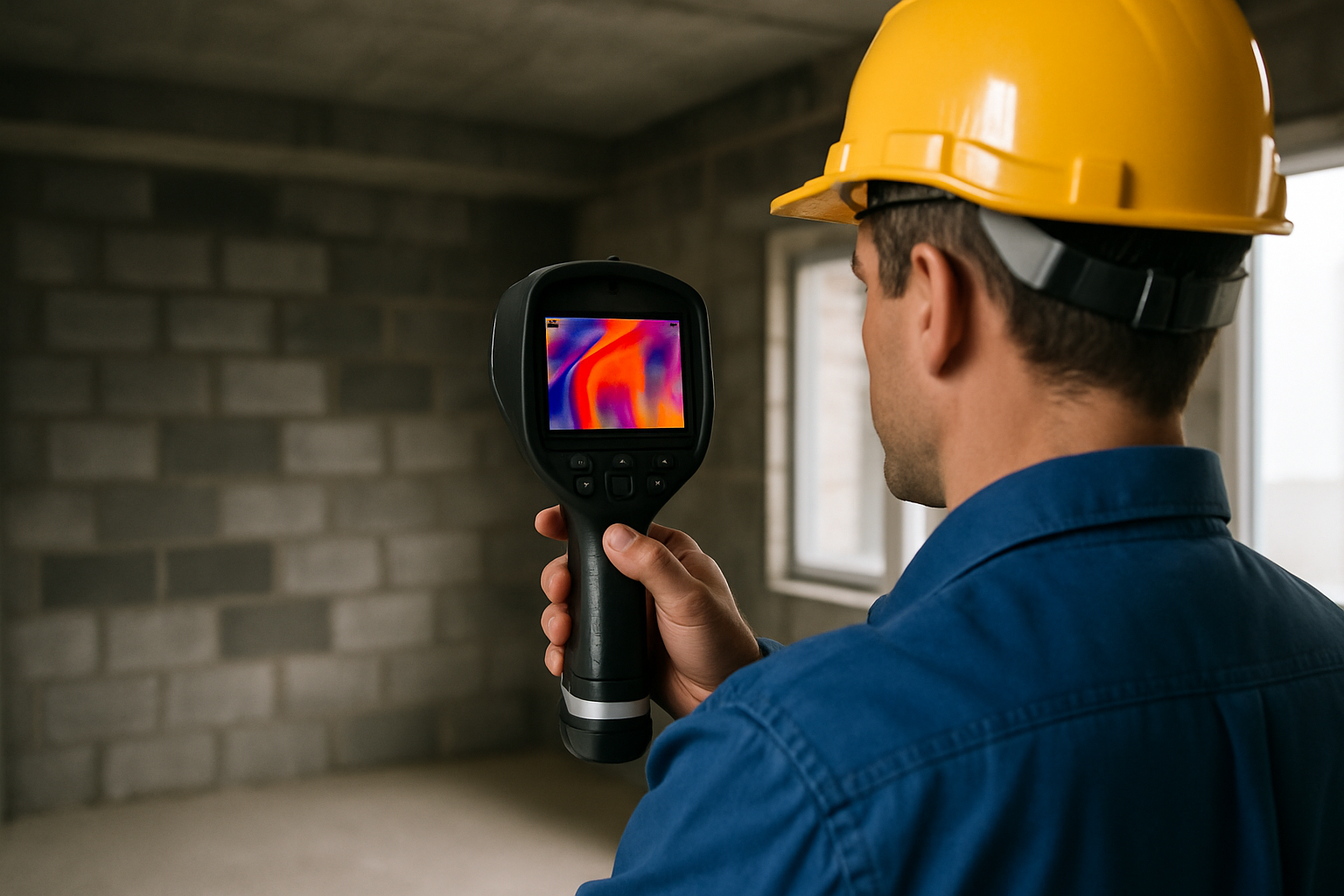
Harness the Power of Thermal Imaging Inspection for Unmatched Building Insights
Thermal imaging inspection is transforming how property owners, facility managers, and building professionals understand what’s happening behind walls, ceilings, and building envelopes. By visualizing temperature differences with infrared technology, you can pinpoint hidden problems early, reduce energy waste, and protect the long-term health of your building.
What Is Thermal Imaging Inspection and How Does It Work?
Thermal imaging inspection (also called infrared inspection or thermographic inspection) uses specialized cameras to detect and display surface temperature variations. These cameras convert infrared radiation into a colorized image, where different colors represent different temperatures. This non-invasive method gives you a detailed picture of what the naked eye can’t see.
Key components of a thermal imaging inspection include:
- Infrared camera: Captures heat signatures from building surfaces.
- Thermographic images: Visual displays of temperature differences that highlight potential issues.
- Professional interpretation: A trained thermographer or inspector analyzes images to identify patterns indicating defects or risks.
Because thermal imaging is contactless and non-destructive, it is especially valuable for inspecting occupied buildings, sensitive equipment, and finished interiors without cutting, drilling, or disrupting operations.
Benefits of Thermal Imaging Inspection for Buildings
Whether you manage a residential property, commercial building, or industrial facility, thermal imaging inspection delivers insights that traditional visual inspections often miss. The main benefits include:
- Early problem detection: Find hidden issues before they escalate into costly repairs.
- Energy efficiency improvements: Identify where conditioned air is escaping and where insulation is failing.
- Reduced maintenance costs: Address root causes quickly instead of reacting to major breakdowns.
- Improved comfort and indoor air quality: Seal drafts, control moisture, and stabilize indoor temperatures.
- Data-driven planning: Use objective, visual evidence to prioritize repairs, upgrades, and capital budgets.
When combined with regular preventive maintenance, thermal imaging inspection becomes a powerful decision-making tool, helping you extend the life of building components, reduce energy bills, and document the condition of your property over time.
Common Building Problems Thermal Imaging Can Reveal
Thermal imaging inspection can uncover a wide range of structural, mechanical, and electrical issues. Some of the most common findings include:
1. Insulation Gaps and Heat Loss
Poor or missing insulation allows heat to escape in winter and enter in summer. Thermal images clearly reveal:
- Cold spots in exterior walls and ceilings
- Uninsulated or poorly insulated attic areas
- Thermal bridging through studs, beams, and window frames
- Air leakage around doors, windows, and penetrations
By targeting these weak points, you can significantly lower heating and cooling loads and improve overall building comfort.
2. Moisture Intrusion and Hidden Leaks
Water problems are among the most damaging and costly issues in buildings. Thermal imaging inspection helps locate:
- Roof leaks beneath membranes or shingles
- Moisture trapped behind walls, ceilings, and floors
- Condensation issues around windows and thermal bridges
- Plumbing leaks inside cavities or under slabs
While thermal imaging does not directly “see” water, it detects temperature anomalies caused by moisture, guiding further investigation and moisture meter testing.
3. Electrical Hot Spots and Overloads
Electrical systems often show thermal warning signs before they fail. Infrared inspection can detect:
- Overloaded circuits and breakers
- Loose or corroded connections in panels and switchgear
- Overheating motors, transformers, and components
- Imbalanced electrical loads across phases
Addressing these hot spots reduces fire risk, equipment failures, and unplanned downtime in commercial and industrial facilities.
4. HVAC and Mechanical System Issues
Thermal imaging inspection is also effective for troubleshooting heating, cooling, and ventilation systems. Inspectors can identify:
- Uneven airflow and temperature distribution
- Blocked or leaking ductwork
- Underperforming radiators, pipes, and coils
- Refrigerant issues indicated by unusual temperature patterns
By visualizing how HVAC components are performing under load, building owners can improve system efficiency and optimize occupant comfort.
When to Schedule a Thermal Imaging Inspection
Thermal imaging can add value at multiple stages of a building’s life cycle. Consider scheduling an inspection during the following situations:
- Pre-purchase inspections: Get deeper insight into a property’s true condition before you buy.
- New construction and renovations: Verify quality of insulation, air sealing, and building envelope performance.
- Energy audits: Combine thermal imaging with blower door tests and utility data to design targeted energy upgrades.
- Annual preventive maintenance: Monitor electrical systems, roofs, and mechanical equipment to catch early warning signs.
- After severe weather events: Check for hidden moisture, roof damage, and compromised building components.
The ideal timing and frequency depend on building age, usage, climate, and risk tolerance. Many commercial property managers integrate thermal imaging into an annual or biannual maintenance plan for ongoing risk management.
Choosing a Professional Thermal Imaging Inspection Service
For accurate, actionable results, it’s important to work with a qualified provider. When evaluating thermal imaging inspection services, consider the following:
- Training and certification: Look for inspectors with recognized thermography training (such as Level I, II, or III) and relevant building or electrical expertise.
- Equipment quality: Professional-grade infrared cameras offer better resolution, temperature sensitivity, and measurement accuracy than basic devices.
- Experience with your building type: Select a provider familiar with residential, commercial, or industrial environments similar to yours.
- Detailed reporting: Ask for clear reports that include annotated thermal images, visible-light comparison photos, problem descriptions, and prioritized recommendations.
- Integration with other inspections: Ideally, thermal imaging should complement visual inspections, moisture readings, electrical testing, and energy audits for a complete picture.
By partnering with a knowledgeable thermography professional, you gain reliable insight that supports better maintenance plans, safer operation, and smarter investment decisions.
Thermal imaging inspection offers a fast, non-invasive path to understanding what’s really happening inside your building. From energy performance and comfort to safety and structural integrity, infrared technology reveals issues you can’t afford to ignore. To unlock these insights for your property, schedule a professional thermal imaging inspection today and start making data-driven decisions that protect your building, reduce costs, and enhance long-term value.
Keep Reading
- Revolutionize Building Maintenance with Cutting-Edge Thermal Imaging Inspection
- Thermal Inspection: Unveiling Hidden Problems for Optimal Building Performance
- How Air Quality Experts Transform Indoor Environments for Better Health
- The Ultimate Guide to WDO Inspection: Protect Your Home from Wood-Destroying Organisms
- Harness the Potential of Thermal Imaging Inspection for Unseen Building Insights