
August 24, 2026
Harness the Potential of Thermal Imaging Inspection for Unseen Building Insights
Thermal imaging inspection gives you a powerful, non-invasive way to see what is really happening inside your building. By detecting subtle temperature differences, thermal cameras reveal hidden moisture, air leaks, electrical hotspots, and insulation gaps long before they become costly problems. Whether you own, manage, or inspect buildings, understanding how to use thermal imaging can dramatically improve safety, comfort, and energy efficiency.
What Is Thermal Imaging Inspection and How Does It Work?
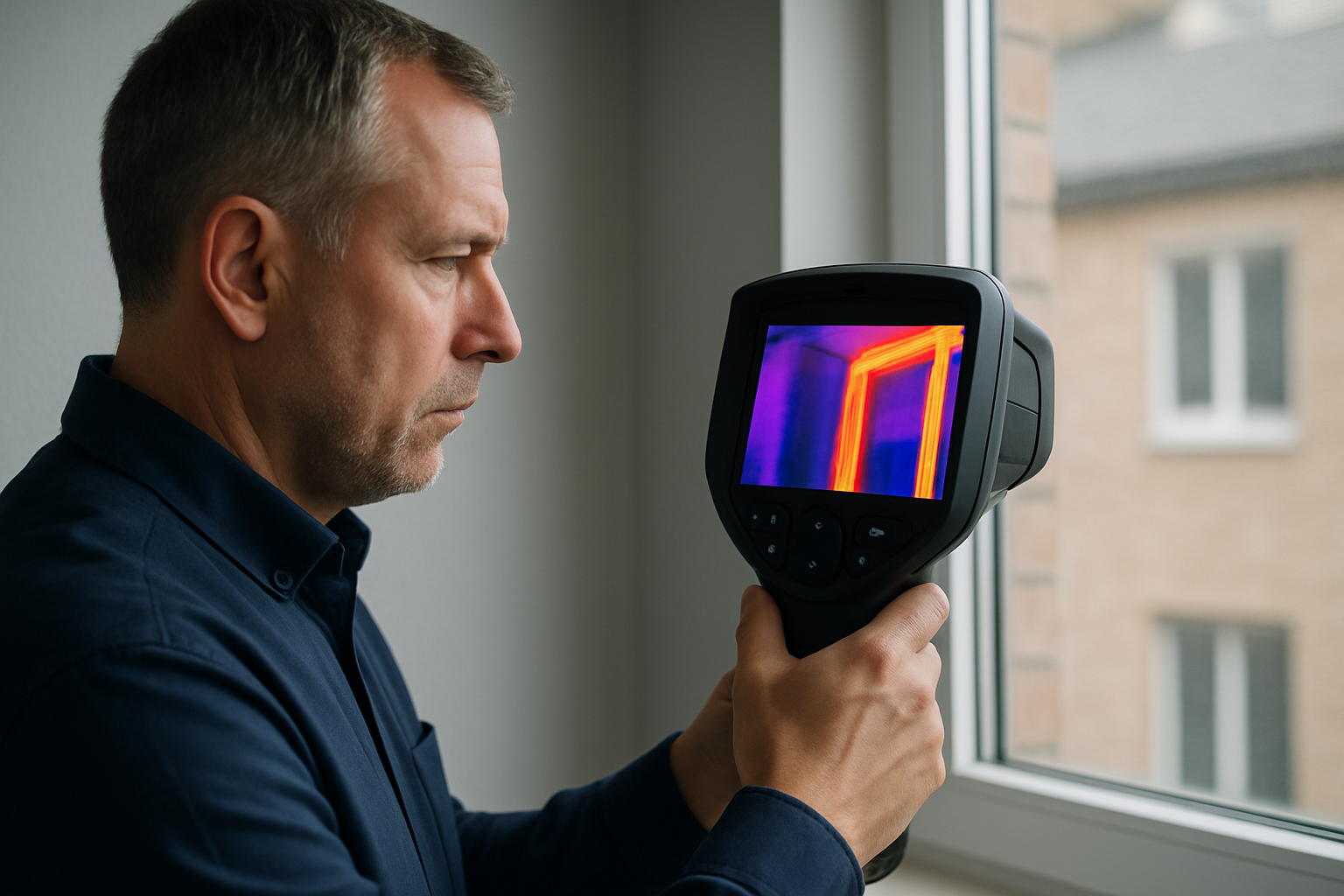
Thermal imaging inspection, also known as infrared thermography, uses specialized cameras to capture heat patterns on building surfaces. Every object emits infrared radiation based on its temperature. A thermal camera converts this radiation into a visual image called a thermogram, where different colors represent different temperatures.
Key elements of thermal imaging inspection include:
- Infrared cameras: Devices that detect heat instead of visible light, revealing temperature variations invisible to the naked eye.
- Thermograms: Color or grayscale images that map surface temperatures to highlight hot and cold spots.
- Non-contact measurement: Inspectors can “see” issues inside walls, ceilings, and roofs without cutting, drilling, or damaging building materials.
- Real-time diagnostics: Temperature patterns are shown instantly, enabling on-the-spot decisions and follow-up testing.
Because thermal imaging is non-destructive and fast, it is ideal for both routine building diagnostics and targeted investigations when a problem is suspected.
Hidden Building Problems Thermal Imaging Can Reveal
Thermal imaging inspection is one of the most effective ways to uncover concealed building defects that traditional visual inspections often miss. Common issues that can be identified include:
1. Moisture Intrusion and Water Damage
Wet materials cool or warm differently than dry materials, creating thermal patterns that can indicate:
- Roof leaks under membranes or shingles
- Water intrusion around windows, doors, and balconies
- Leaking plumbing lines in walls, ceilings, or slabs
- Hidden mold risk areas where moisture persists
By locating damp areas early, you can address the source of water before it leads to structural damage, mold growth, and expensive repairs.
2. Insulation Gaps and Energy Loss
Poor or missing insulation shows up clearly on a thermal scan as cold or hot patches, depending on the season. Thermal imaging can pinpoint:
- Voids in wall, attic, and roof insulation
- Bridging where structural elements transfer heat or cold
- Insulation damaged by pests, moisture, or poor installation
- Energy-wasting zones that drive up heating and cooling bills
Armed with this data, property owners can focus upgrades where they deliver the highest energy savings and comfort improvements.
3. Air Leaks and Building Envelope Weaknesses
Uncontrolled air movement undermines both comfort and efficiency. Thermal imaging inspection helps identify:
- Draughts around doors and windows
- Leaky junctions between walls, roofs, and foundations
- Poorly sealed penetrations for cables, pipes, and vents
- Underperforming weatherstripping and sealants
When combined with blower door testing, thermography creates a powerful diagnostic tool for tightening the building envelope and improving overall performance.
4. Electrical Hotspots and Overheating Components
In both residential and commercial buildings, electrical defects can create serious fire risks. Thermal imaging can reveal:
- Overheating breakers, fuses, and connections
- Overloaded circuits or imbalanced phases
- Loose or corroded terminals in panels and switchgear
- Failing motors, transformers, and electrical equipment
By identifying hotspots early, you can schedule corrective maintenance and significantly reduce the chance of electrical failures or fires.
Benefits of Thermal Imaging Inspection for Property Owners and Managers
Investing in thermal imaging inspection delivers a range of measurable benefits for homeowners, landlords, facility managers, and investors.
Core advantages include:
- Non-invasive insight: Inspect large areas quickly without opening walls or disrupting occupants.
- Early problem detection: Find hidden defects while they are still minor and more affordable to fix.
- Improved energy efficiency: Accurately target insulation, sealing, and HVAC upgrades for maximum impact.
- Enhanced occupant comfort: Reduce drafts, cold spots, and temperature swings for more stable indoor conditions.
- Risk reduction: Catch electrical and moisture issues that can cause fires, structural damage, or health concerns.
- Better documentation: Use thermographic images to support insurance claims, maintenance planning, and property valuations.
For commercial portfolios, regular thermal imaging inspections can be integrated into preventive maintenance programs, helping extend the life of roofs, facades, and mechanical systems while minimizing unplanned downtime.
When to Schedule a Thermal Imaging Inspection
Timing matters for getting clear, actionable thermal data. While inspections can be performed year-round, temperature differences between indoors and outdoors help highlight problems. Consider scheduling a thermal imaging inspection at these key moments:
- Pre-purchase or due diligence: Assess hidden issues before committing to a residential or commercial property.
- Post-renovation or retrofit: Verify that insulation, air sealing, and building envelope upgrades are performing as intended.
- Seasonal efficiency checks: Identify heat loss in winter and unwanted heat gain in summer to optimize building performance.
- After storms or leaks: Detect concealed water damage following heavy rain, snow, or roof failures.
- Routine maintenance cycles: Include thermography in annual or bi-annual building health checks.
For the most accurate results, conditions should be planned in advance—for example, ensuring a suitable temperature differential or conducting inspections at times of day that reduce direct solar effects on building surfaces.
Choosing a Qualified Thermal Imaging Inspection Professional
The quality of your thermal imaging inspection depends heavily on the skill of the operator and the equipment used. To get reliable, actionable insights, look for a provider who offers:
- Professional training and certification: Inspectors with recognized thermography credentials (such as Level I, II, or III training) understand how to interpret thermal patterns correctly.
- High-resolution, calibrated equipment: Modern infrared cameras with appropriate sensitivity and resolution provide more accurate and detailed images.
- Clear reporting: Comprehensive reports that include thermographic images, visible-light photos, annotations, and prioritized recommendations.
- Building science knowledge: Experience with roofs, facades, insulation systems, HVAC, and electrical systems to connect thermal anomalies to real-world defects.
- Local expertise: Familiarity with regional building practices, climate conditions, and energy codes enhances the value of the findings.
Before hiring, ask for sample reports, references, and a clear explanation of what the inspection covers so that expectations are aligned with your building’s needs.
Transform How You See Your Building with Thermal Imaging
Thermal imaging inspection turns invisible building behavior into clear, actionable information. By revealing hidden moisture, energy loss, air leaks, and electrical faults, it empowers you to make smarter decisions about maintenance, upgrades, and risk management. Instead of reacting to costly failures, you can proactively protect your property, reduce operating costs, and improve comfort for everyone inside.
If you are ready to harness the full potential of thermal imaging for your home, commercial facility, or property portfolio, schedule a professional thermal imaging inspection today. Partner with a qualified thermography specialist to uncover unseen building insights and build a smarter, safer, and more efficient future for your property.
Keep Reading
- Revolutionize Building Maintenance with Cutting-Edge Thermal Imaging Inspection
- Thermal Inspection: Unveiling Hidden Problems for Optimal Building Performance
- How Air Quality Experts Transform Indoor Environments for Better Health
- The Ultimate Guide to WDO Inspection: Protect Your Home from Wood-Destroying Organisms
- Harness the Potential of Thermal Imaging Inspection for Unseen Building Insights