
May 12, 2026
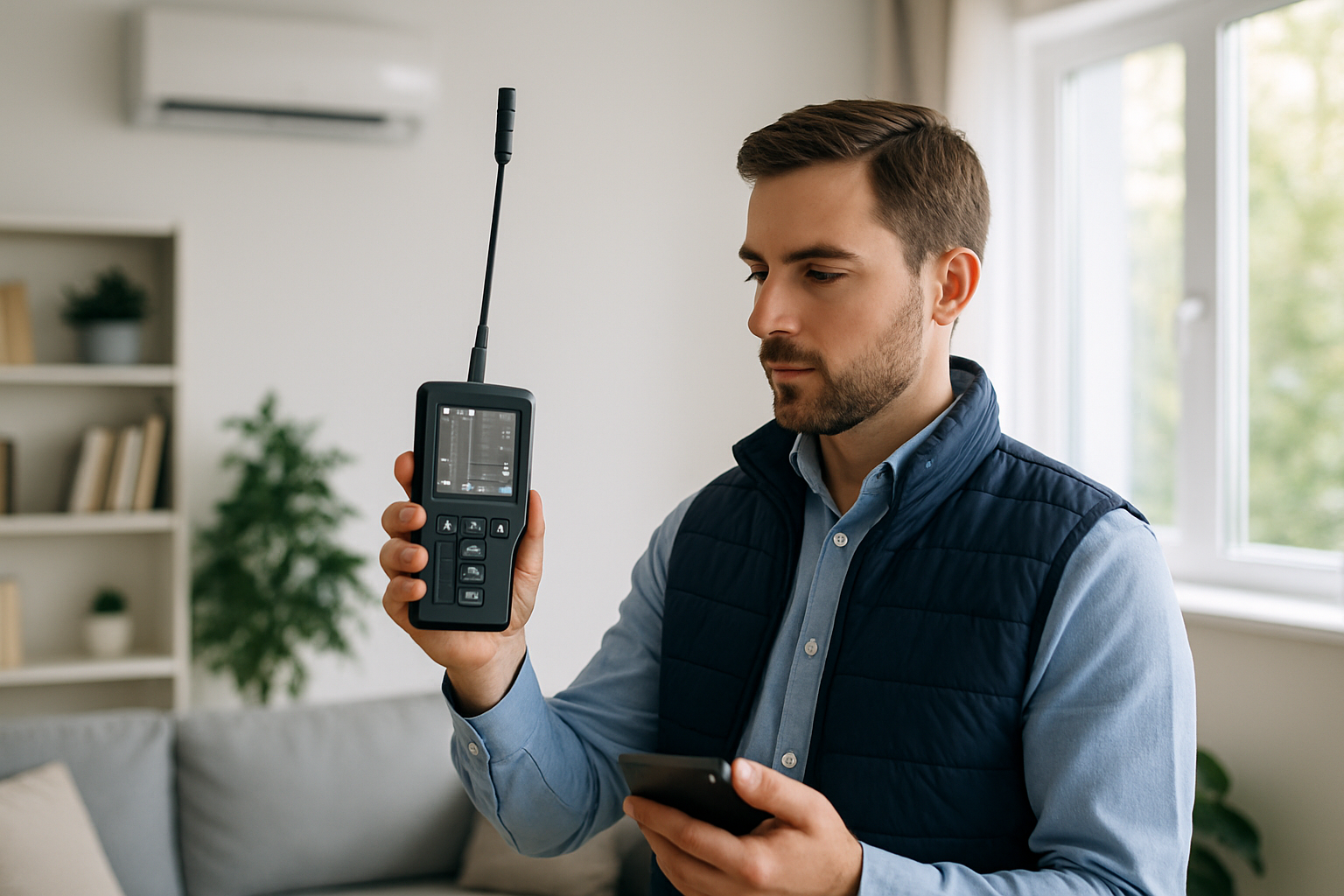
Expert Insights: How Air Quality Specialists Improve Indoor Environments
Indoor air quality has a direct impact on health, comfort, productivity, and even building longevity. Air quality experts—also known as indoor air quality (IAQ) specialists—use science, technology, and field experience to diagnose hidden problems and design effective solutions. Understanding what these professionals do, how they work, and when to call them can help you create a cleaner, safer indoor environment for your home or business.
What Air Quality Experts Do and Why Their Role Matters
Air quality experts focus on measuring, analyzing, and improving the air people breathe indoors. Their role extends beyond simply identifying odors or visible dust; they look for invisible pollutants and patterns that affect long-term health and building performance.
Key responsibilities of air quality specialists include:
- Assessing current indoor conditions: Measuring pollutants such as particulate matter (PM2.5 and PM10), volatile organic compounds (VOCs), carbon dioxide (CO₂), carbon monoxide (CO), ozone, and humidity.
- Identifying pollutant sources: Tracing contaminants back to building materials, cleaning products, furnishings, combustion appliances, mold, and outdoor air infiltration.
- Evaluating ventilation and airflow: Determining whether the building receives sufficient fresh air, how air moves between rooms, and if HVAC systems distribute and filter air effectively.
- Designing control strategies: Recommending practical ways to reduce or eliminate pollutants through source control, filtration, ventilation upgrades, and mechanical improvements.
- Monitoring ongoing performance: Providing continuous or periodic testing to verify that improvements are working and air quality stays within healthy ranges.
By combining building science, environmental health knowledge, and specialized instruments, air quality experts provide credible, data-driven insights that go beyond what basic consumer devices can offer.
Common Indoor Air Quality Problems Specialists Detect
Many indoor air quality issues are invisible and odorless, making them difficult for occupants to recognize. Air quality experts are trained to detect subtle indicators and confirm problems with precise measurements.
Some of the most common IAQ issues include:
- Particulate matter (PM): Fine particles from dust, outdoor pollution, smoke, and cooking can penetrate deep into the lungs, contributing to respiratory and cardiovascular issues.
- Volatile organic compounds (VOCs): Emitted from paints, adhesives, furniture, cleaning products, and personal care items; high VOC levels may cause irritation, headaches, or long-term health effects.
- Mold and microbial growth: Excess humidity and hidden leaks can support mold and bacteria on drywall, insulation, or HVAC components, triggering allergies and respiratory symptoms.
- Carbon dioxide (CO₂) buildup: Poor ventilation in offices, classrooms, and homes can lead to elevated CO₂, associated with fatigue, reduced concentration, and discomfort.
- Carbon monoxide (CO): A colorless, odorless gas from malfunctioning gas appliances, fireplaces, or vehicles in attached garages; dangerous even at moderately elevated levels.
- Allergens: Pollen, pet dander, dust mites, and pest-related allergens can cause or worsen asthma and allergy symptoms.
- Imbalanced humidity: Low humidity dries out eyes, skin, and respiratory passages; high humidity encourages mold, dust mites, and structural damage.
Without professional evaluation, these problems can persist for years, gradually affecting occupant health and driving up maintenance and energy costs.
How Air Quality Experts Assess Indoor Environments
Air quality assessments are structured, evidence-based evaluations that follow clear steps. While each building is unique, most specialists use a systematic process to ensure accurate, actionable results.
Typical stages of a professional IAQ assessment include:
- Initial consultation and history: The specialist gathers information about the building’s age, recent renovations, reported symptoms, occupancy patterns, and any known moisture or odor issues.
- Visual inspection: They inspect key areas—HVAC rooms, basements, attics, around windows and plumbing—for signs of leaks, condensation, poor ventilation, or mold growth.
- Instrument-based testing: Using calibrated instruments, the expert measures:
- Temperature and relative humidity
- Carbon dioxide (CO₂) and carbon monoxide (CO)
- Particulate matter (PM2.5, PM10)
- VOCs and specific chemicals where indicated
- Airflow, pressure differences, and ventilation rates
- Targeted sampling (when needed): For suspected mold or specific pollutants, they may collect air, surface, or bulk samples for laboratory analysis.
- HVAC system review: The expert evaluates filters, ductwork, outside air intakes, exhaust systems, and control settings to understand how the mechanical systems influence IAQ.
- Data analysis and diagnosis: Measurement results are compared against health-based guidelines, building standards, and best-practice benchmarks to identify root causes.
- Report and recommendations: The specialist provides a clear, prioritized plan with recommended improvements, timelines, and, when appropriate, estimated impact on health, comfort, and energy use.
This methodical approach ensures that solutions are tailored to your building’s real conditions instead of relying on guesswork or one-size-fits-all products.
Strategies Experts Use to Improve Indoor Air Quality
Once the assessment is complete, air quality experts design interventions that fit the building type, budget, and risk level. They focus on practical, sustainable changes that reduce pollutants at the source and optimize mechanical systems.
Common strategies recommended by IAQ specialists include:
1. Source Control
- Identifying and removing materials that off-gas high levels of VOCs.
- Specifying low-emission paints, sealants, and furnishings for renovations.
- Fixing leaks and water damage promptly to prevent mold growth.
- Ensuring combustion appliances are properly vented and maintained.
2. Ventilation Optimization
- Increasing outdoor air supply to meet or exceed relevant standards.
- Balancing supply and exhaust to prevent pressure imbalances and backdrafting.
- Adding demand-controlled ventilation using CO₂ or occupancy sensors.
- Improving local exhaust in kitchens, bathrooms, labs, and workshops.
3. Air Filtration and Purification
- Upgrading HVAC filters to higher-efficiency ratings compatible with system capacity.
- Integrating HEPA filtration or localized air cleaners for high-risk spaces.
- Applying specialized filtration media for odors, VOCs, or specific industrial contaminants.
- Verifying that filters are correctly installed and replaced on schedule.
4. Humidity and Temperature Control
- Maintaining relative humidity in a generally recommended range (often around 40–60% depending on climate and use).
- Improving dehumidification or adding humidification where necessary.
- Adjusting HVAC settings to avoid cold surfaces that cause condensation.
5. Policies, Training, and Ongoing Monitoring
- Developing IAQ-friendly cleaning and maintenance procedures.
- Educating staff or occupants on behaviors that support healthy air (e.g., chemical storage, use of personal devices, window operation).
- Implementing continuous monitoring for key parameters like CO₂, PM, and humidity to catch emerging problems early.
Because air quality is dynamic, experts often recommend a combination of immediate fixes and long-term management practices for lasting results.
When to Hire an Air Quality Specialist and How to Choose One
Not every building needs a full-scale IAQ investigation, but there are clear signs that it may be time to call an expert.
Situations that often justify a professional assessment include:
- Occupants experience recurring headaches, fatigue, respiratory symptoms, or odors tied to specific areas or times.
- You suspect mold, moisture problems, or hidden water damage.
- Your building recently underwent major renovations or a change in use.
- There is a history of complaints, but past fixes have not resolved the issues.
- Regulations, certifications, or insurance requirements call for documentation of air quality.
- You manage a high-risk facility like a healthcare setting, school, laboratory, or manufacturing plant.
Key factors to consider when selecting an air quality expert:
- Credentials and training: Look for qualifications in industrial hygiene, environmental health, building science, or mechanical engineering, plus recognized certifications where applicable.
- Relevant experience: Choose a specialist with proven experience in your building type—residential, commercial, industrial, or institutional.
- Independent, data-driven approach: Ideally, your consultant should be able to provide unbiased recommendations, not just sell specific products.
- Clear reporting and communication: Ask for sample reports and ensure they explain findings and action steps in understandable language.
- References and reputation: Check reviews, case studies, or referrals from other property owners or facility managers.
Selecting the right expert helps ensure that your investment in better indoor air leads to measurable health, comfort, and productivity benefits.
Conclusion: Improve Your Indoor Environment with Professional Air Quality Expertise
Healthy indoor air is not a luxury—it is a foundational requirement for well-being, performance, and long-term building value. Air quality experts bring specialized tools and knowledge to uncover hidden problems, design targeted solutions, and support ongoing improvements over time. If you suspect indoor air issues or simply want to verify that your environment is truly healthy, consider scheduling a professional indoor air quality assessment. Partnering with an experienced air quality specialist is a proactive step toward protecting the people who live, work, and visit your building every day.
Keep Reading
- Revolutionize Building Maintenance with Cutting-Edge Thermal Imaging Inspection
- Thermal Inspection: Unveiling Hidden Problems for Optimal Building Performance
- How Air Quality Experts Transform Indoor Environments for Better Health
- The Ultimate Guide to WDO Inspection: Protect Your Home from Wood-Destroying Organisms
- Harness the Potential of Thermal Imaging Inspection for Unseen Building Insights