
April 24, 2026
Essential Guide to New Jersey Air Quality Testing: Ensure a Healthier Home Environment
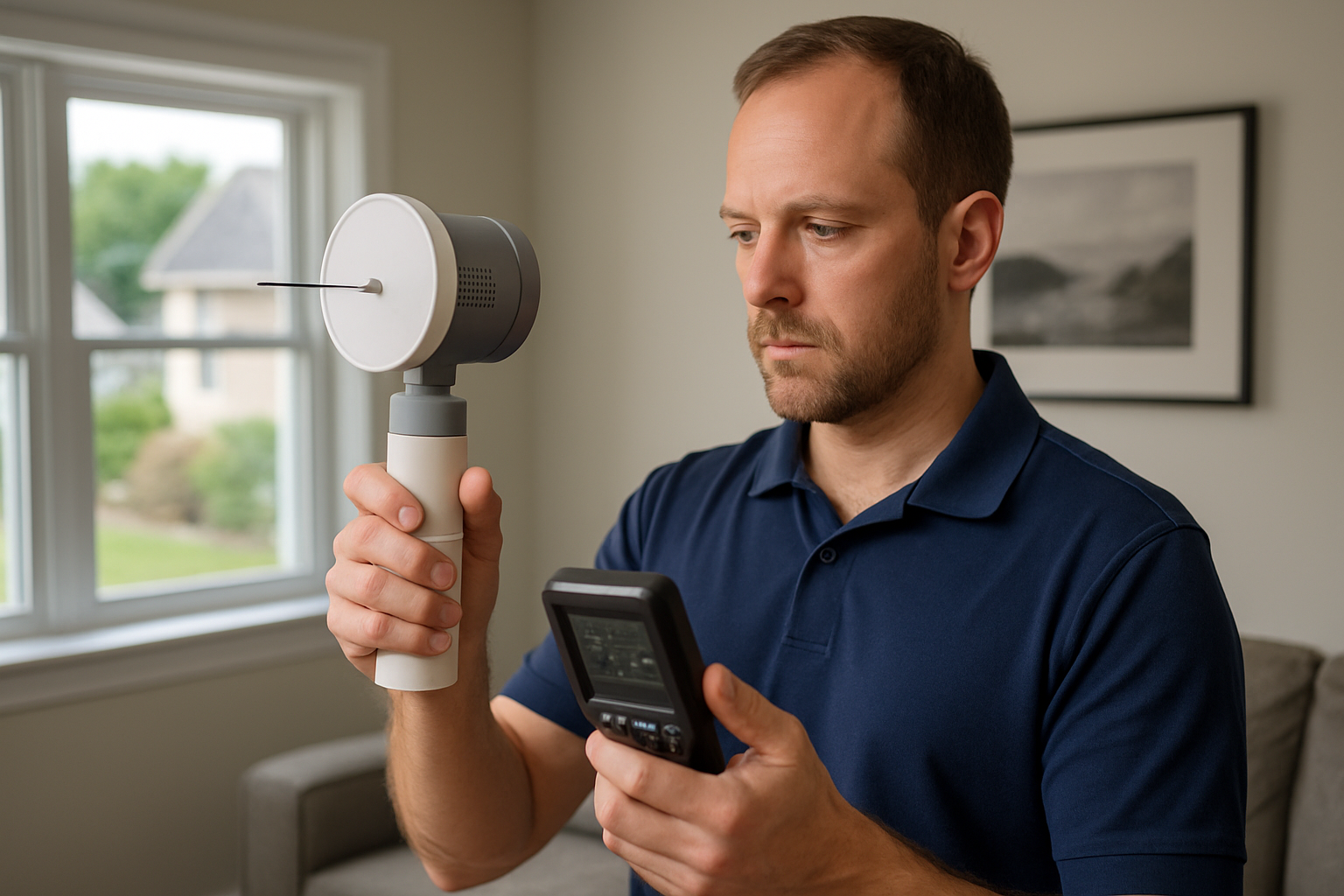
Maintaining good indoor air quality is crucial for the health and well-being of your family. In New Jersey, where environmental factors can affect air quality, regular testing is essential. This guide will walk you through the importance of air quality testing, what to expect, and how to ensure your home environment is as healthy as possible.
Why Air Quality Testing is Important in New Jersey
New Jersey’s unique climate and industrial activities can contribute to poor air quality. Pollutants such as mold, radon, and volatile organic compounds (VOCs) can accumulate indoors, leading to health issues. Regular air quality testing helps identify these pollutants, allowing you to take corrective measures.
Common Indoor Air Pollutants in New Jersey Homes
Understanding the common pollutants in New Jersey homes can help you address them effectively. Here are some of the most prevalent:
Mold: Often found in damp areas, mold can cause respiratory issues and allergies.
n
Radon: A naturally occurring gas that can seep into homes from the ground, radon is a leading cause of lung cancer.
n
Volatile Organic Compounds (VOCs): Emitted from household products like paints and cleaning supplies, VOCs can cause headaches and other health problems.
n
Dust and Allergens: Common in homes, these can exacerbate asthma and allergy symptoms.
n
nn
Steps to Conduct an Air Quality Test
n
Conducting an air quality test in your New Jersey home involves several steps:
n
n
Choose a Reliable Testing Service: Look for certified professionals who use advanced testing equipment.
n
Schedule the Test: Set a convenient time for the testing team to visit your home.
n
Prepare Your Home: Ensure all areas are accessible and inform the testers of any specific concerns.
n
Review the Results: Once the test is complete, review the results with the professionals to understand any issues.
n
Implement Solutions: Based on the findings, take necessary actions such as improving ventilation or using air purifiers.
n
nn
Choosing the Right Air Quality Testing Service in New Jersey
n
When selecting a testing service, consider the following factors:
n
n
Certification and Experience: Ensure the company is certified and has experience in dealing with New Jersey’s specific air quality issues.
n
Comprehensive Testing: The service should offer a wide range of tests for various pollutants.
n
Customer Reviews: Check online reviews and testimonials to gauge customer satisfaction.
n
Post-Test Support: Opt for a service that provides guidance on improving air quality after testing.
n
nn
Maintaining Good Air Quality in Your Home
n
Once you’ve tested your home’s air quality, maintaining it is crucial. Here are some tips:
n
n
Regular Ventilation: Open windows and use exhaust fans to circulate fresh air.
n
Use Air Purifiers: Invest in high-quality air purifiers to remove pollutants.
n
Control Humidity: Use dehumidifiers to prevent mold growth.
n
Regular Cleaning: Keep your home clean to reduce dust and allergens.
n
nn
Ensuring good air quality in your New Jersey home is vital for your family’s health. Regular testing and proactive measures can significantly improve your indoor environment. If you’re ready to take the next step, contact a professional air quality testing service today and breathe easier knowing your home is safe.
n“`
Keep Reading
- Revolutionize Building Maintenance with Cutting-Edge Thermal Imaging Inspection
- Thermal Inspection: Unveiling Hidden Problems for Optimal Building Performance
- How Air Quality Experts Transform Indoor Environments for Better Health
- The Ultimate Guide to WDO Inspection: Protect Your Home from Wood-Destroying Organisms
- Harness the Potential of Thermal Imaging Inspection for Unseen Building Insights