
August 17, 2026
Ensure a Healthy Home: The Importance of Air Quality Mold Inspection
Indoor air quality has a direct impact on your health, comfort, and overall quality of life. One of the most common and overlooked threats to healthy indoor air is hidden mold growth. A professional air quality mold inspection can help you identify problems early, protect your family, and avoid costly damage to your property.
What Is Air Quality Mold Inspection?
Air quality mold inspection is a process used to detect and measure mold spores in the air and on surfaces within a building. Unlike a basic visual check, it uses specialized equipment and sampling methods to uncover hidden mold colonies and assess overall indoor air quality.
During a typical mold and air quality inspection, a certified inspector may:
- Conduct a visual walkthrough of the property to look for moisture, leaks, and visible mold
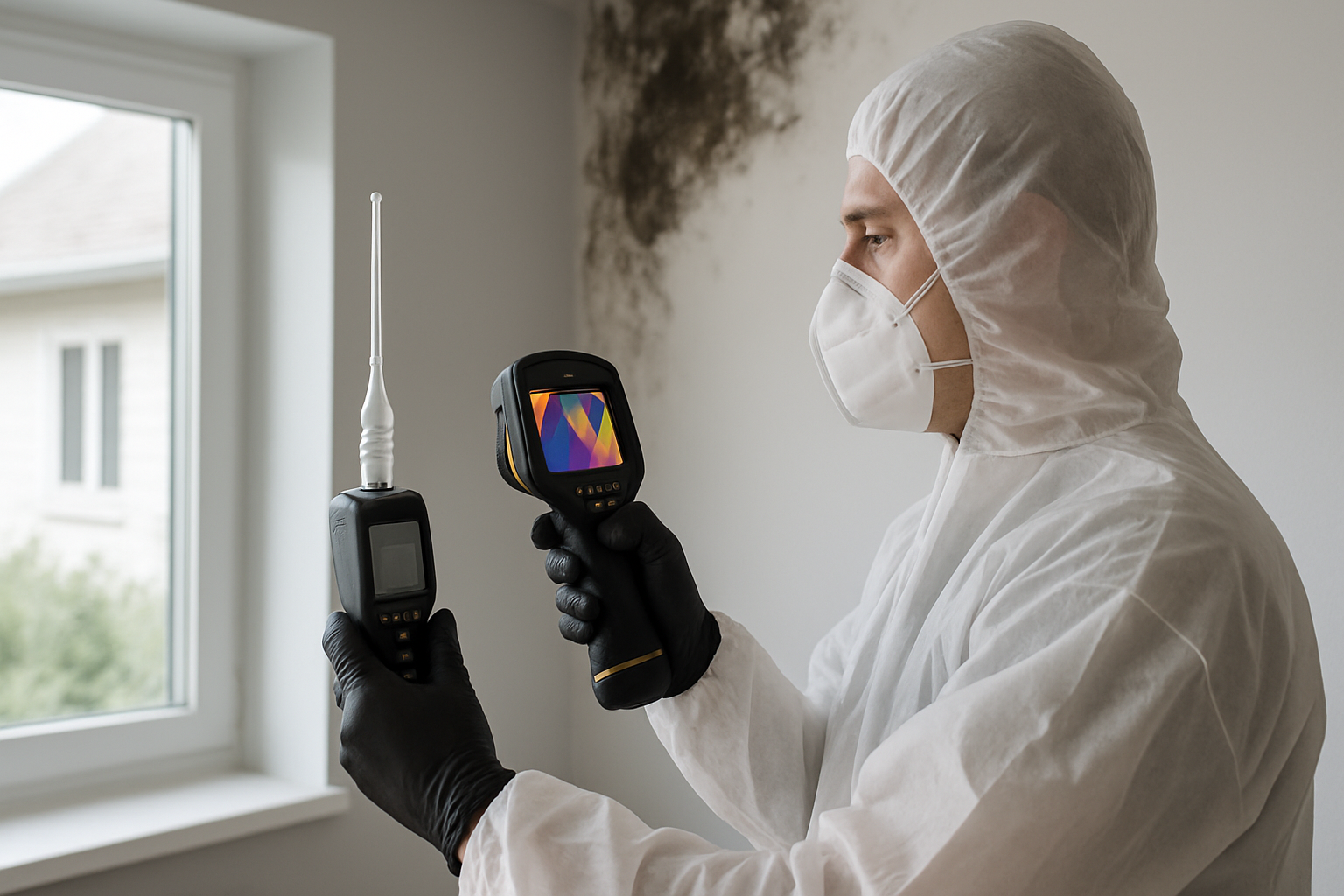
- Use moisture meters and infrared cameras to detect hidden dampness in walls, ceilings, and floors
- Collect air samples in different rooms and compare them to outdoor air samples
- Take surface or bulk samples from suspect areas such as behind baseboards, in HVAC systems, or in basements
- Send samples to an accredited laboratory for identification and analysis of mold species and concentration
The result is a detailed report outlining the types and levels of mold present, along with recommendations for remediation and improving indoor air quality.
Why Mold Inspection Matters for Indoor Air Quality
Mold grows anywhere excess moisture and organic material are present, including behind walls, under flooring, in crawl spaces, and inside ductwork. Even if you cannot see mold, spores can still circulate through the air and affect the health of occupants. Air quality mold inspections are essential for several reasons:
1. Protecting Respiratory Health
Breathing elevated levels of mold spores over time may trigger or worsen:
- Allergies and sinus congestion
- Coughing, wheezing, and shortness of breath
- Asthma attacks and respiratory infections
- Eye, nose, and throat irritation
- Headaches and fatigue
Children, older adults, and individuals with asthma or compromised immune systems are especially vulnerable. By identifying mold problems early, you can take steps to restore cleaner, safer air.
2. Preventing Structural Damage
Where mold grows, moisture is present. Over time, persistent dampness can lead to:
- Rotting wood framing and subfloors
- Damaged drywall, insulation, and carpet
- Peeling paint and deteriorating finishes
- Stains and lingering musty odors
A comprehensive air quality mold inspection often uncovers moisture sources such as roof leaks, plumbing failures, or poor ventilation that may not be immediately visible. Addressing these issues protects both your home and your investment.
3. Supporting Real Estate Transactions
For buyers, sellers, and real estate professionals, mold and indoor air quality are major considerations in property value and safety. A documented mold inspection can:
- Provide peace of mind about the condition of a property
- Help negotiate repairs or pricing when problems are found
- Support insurance and disclosure requirements in many regions
- Reduce the risk of future disputes about hidden damage
Whether you are purchasing a new home or preparing to sell, an air quality mold inspection is a smart, proactive step.
Common Signs You May Need a Mold Inspection
Mold is not always easy to spot, but certain warning signs suggest that you should schedule a professional indoor air quality and mold assessment as soon as possible. Contact a certified inspector if you notice:
- Persistent musty or earthy odors, especially in basements, bathrooms, or closets
- Recent or recurring water damage from leaks, floods, or high humidity
- Visible mold growth on walls, ceilings, furniture, or HVAC vents
- Condensation on windows or cold surfaces and peeling paint
- Unexplained allergy-like symptoms that improve when you leave the building
- Discoloration or staining on drywall, baseboards, or around windows
Even if you do not see mold, a history of water intrusion or excessive humidity is enough reason to request an indoor air quality mold inspection. Early detection can significantly reduce remediation costs and disruption.
How a Professional Mold and Air Quality Inspection Works
While DIY test kits are widely available, they often provide limited or misleading results. A professional mold inspection follows proven protocols designed to give you accurate, actionable information.
Step 1: Initial Consultation and History
The inspector will ask questions about:
- Any past water damage, leaks, or flooding
- Areas of concern, strange odors, or visible mold
- Health complaints reported by occupants
- Age, construction type, and ventilation of the building
This background helps target the inspection to the highest-risk areas.
Step 2: Visual and Instrument-Based Assessment
Next, the inspector performs a thorough walkthrough, often including:
- Examining walls, ceilings, floors, and windows for staining, warping, or growth
- Checking kitchens, bathrooms, basements, attics, and crawl spaces for moisture
- Inspecting HVAC systems, ducts, and filters for mold and dust buildup
- Using moisture meters and thermal imaging to locate hidden dampness behind surfaces
Step 3: Mold and Air Sampling
Based on the findings, the inspector may collect:
- Air samples: Taken indoors and outdoors to compare mold spore levels and identify indoor air quality issues
- Surface samples: Swabs or tape lifts from visible growth or suspect areas
- Bulk samples: Pieces of material such as drywall, insulation, or carpet from damaged areas
Samples are shipped to an accredited laboratory where they are analyzed to determine the types and quantities of mold present.
Step 4: Detailed Reporting and Recommendations
Once lab results are received, you will get a written report summarizing:
- Mold species identified and their spore counts
- Areas of the property most affected
- Possible moisture sources contributing to mold growth
- Health and structural risks associated with the findings
- Recommended mold remediation and moisture control strategies
This report serves as a roadmap for restoring healthy indoor air quality and validating remediation work later.
Improving Indoor Air Quality After a Mold Inspection
An air quality mold inspection is the first step; the next is correcting the underlying problems and maintaining a healthier environment. Depending on the results, your plan may include:
Professional Mold Remediation
Certified mold remediation specialists use containment, air filtration, and safe removal techniques to eliminate mold and prevent cross-contamination. Common services include:
- Isolating affected areas with plastic barriers and negative air pressure
- HEPA vacuuming and cleaning surfaces to remove spores
- Removing and replacing heavily contaminated building materials
- Sanitizing and treating surfaces to deter regrowth
Moisture and Humidity Control
Long-term air quality improvement depends on keeping your home dry and well-ventilated. Helpful strategies include:
- Repairing roof, plumbing, or foundation leaks quickly
- Installing or upgrading bathroom and kitchen exhaust fans
- Using dehumidifiers in basements, crawl spaces, and damp rooms
- Improving grading and drainage around the foundation
- Insulating cold surfaces to reduce condensation
Ongoing Indoor Air Quality Maintenance
To maintain cleaner air after remediation:
- Replace HVAC filters regularly with high-quality, appropriately rated filters
- Schedule periodic HVAC and duct inspections and cleanings
- Keep indoor humidity ideally between 30% and 50%
- Promptly dry any spills or minor water intrusions
- Monitor for new odors, stains, or moisture and address them quickly
In some situations, a follow-up air quality mold inspection is recommended to confirm that remediation was successful and that mold spore levels have returned to normal.
Conclusion: Take Control of Your Home’s Air Quality
Hidden mold and poor indoor air quality can affect your health, damage your property, and reduce your peace of mind. A professional air quality mold inspection gives you clear answers about what is in your air and what you can do to make your home safer and healthier. If you suspect mold, have experienced water damage, or simply want reassurance about your indoor environment, schedule a certified mold and air quality inspection today and take the first step toward a cleaner, healthier home.
Keep Reading
- Revolutionize Building Maintenance with Cutting-Edge Thermal Imaging Inspection
- Thermal Inspection: Unveiling Hidden Problems for Optimal Building Performance
- How Air Quality Experts Transform Indoor Environments for Better Health
- The Ultimate Guide to WDO Inspection: Protect Your Home from Wood-Destroying Organisms
- Harness the Potential of Thermal Imaging Inspection for Unseen Building Insights