
June 10, 2026
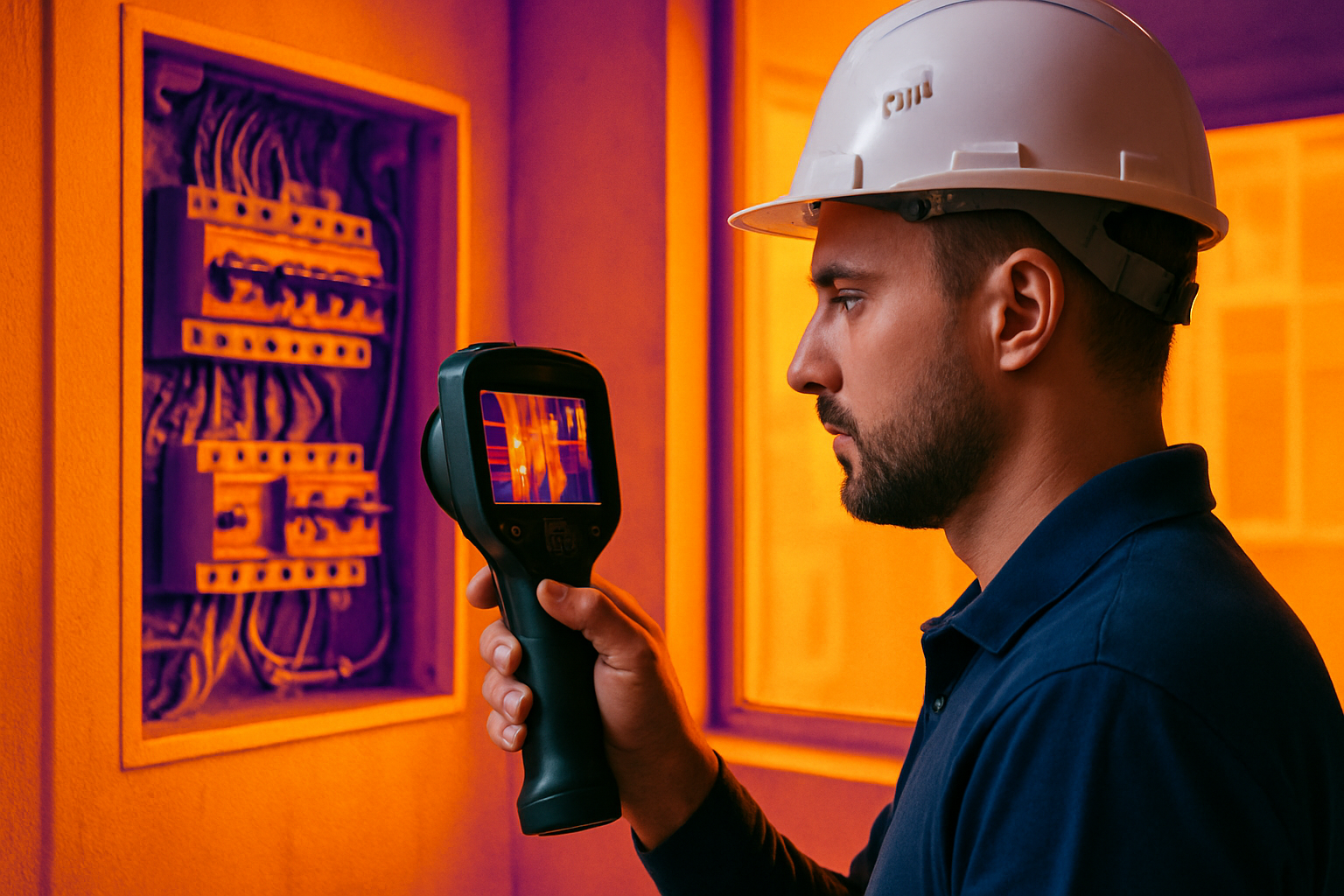
Enhance Your Building’s Safety and Efficiency with Thermal Imaging Inspection Techniques
Thermal imaging inspection is one of the most powerful, non-invasive techniques for evaluating the true condition of a building. By translating surface temperatures into a visual thermal map, infrared cameras help you uncover hidden problems, improve energy efficiency, and protect occupants’ safety—without opening walls or disrupting operations.
What Is Thermal Imaging Inspection and How Does It Work?
Thermal imaging inspection, also known as infrared thermography, uses specialized cameras to detect and display heat patterns across building surfaces. Every object emits infrared radiation; thermal cameras capture this energy and convert it into a color-coded image that highlights temperature differences.
Key components of a thermal imaging system include:
- Infrared camera: Captures temperature variations across surfaces.
- Software: Analyzes thermal data and generates detailed reports.
- Trained thermographer: Interprets images, identifies anomalies, and recommends corrective actions.
Because it is non-destructive, thermal imaging allows you to inspect large areas quickly, revealing issues that are invisible to the naked eye.
Benefits of Thermal Imaging for Building Safety and Performance
Integrating thermal imaging inspection into your building maintenance strategy delivers measurable advantages in safety, efficiency, and long-term cost control.
Enhanced Life Safety and Risk Reduction
- Early detection of electrical faults: Overheating breakers, busbars, and connection points become visible long before they fail.
- Fire prevention: Identifying hot spots in electrical panels and mechanical equipment helps you correct hazards before they ignite.
- Moisture and mold risk mitigation: Hidden leaks in roofs, walls, and floors can be located by tracking temperature anomalies caused by damp materials.
Improved Energy Efficiency and Comfort
- Insulation performance analysis: Thermal imaging exposes gaps, voids, and compression in insulation that lead to energy loss.
- Air leakage detection: Drafts around windows, doors, vents, and penetrations become clear in infrared scans.
- HVAC optimization: Imbalances in heating and cooling distribution, duct leaks, and malfunctioning components can be pinpointed.
Cost Savings and Asset Protection
- Reduced unplanned downtime: Identifying issues before they fail prevents costly shutdowns and emergency repairs.
- Targeted maintenance: Repairs can focus on specific problem areas, lowering labor and material costs.
- Extended equipment life: Keeping electrical and mechanical systems within safe temperature ranges reduces wear and tear.
Common Applications of Thermal Imaging in Buildings
Thermal imaging inspection applies across residential, commercial, and industrial properties. Key use cases include:
Electrical Systems and Panels
- Service panels, switchgear, and distribution boards
- Transformers, bus ducts, and cable terminations
- Overloaded circuits and phase imbalances
- Loose or corroded connections generating excess heat
Building Envelope and Insulation
- Exterior walls, roofs, and ceilings for missing or damaged insulation
- Thermal bridging at structural elements and window frames
- Air infiltration/exfiltration at doors, windows, and penetrations
- Heat loss in attics, crawlspaces, and basements
Moisture, Leaks, and Roof Diagnostics
- Flat and low-slope roofs for trapped moisture and membrane failures
- Plumbing leaks concealed behind walls or under floors
- Condensation problems around cold surfaces and thermal bridges
- Areas at risk for mold growth due to persistent dampness
Mechanical and HVAC Systems
- Motors, bearings, and pumps for abnormal heat signatures
- Boilers, heat exchangers, and radiators for uneven temperatures
- Supply and return ducts for air leaks or insulation issues
- Underfloor heating systems to verify coverage and locate faults
How a Professional Thermal Imaging Inspection Is Performed
A structured, methodical approach is essential for accurate and actionable thermal results. A typical professional thermographic inspection includes:
1. Pre-Inspection Planning
- Defining objectives: safety, energy audit, insurance compliance, or preventive maintenance.
- Reviewing building drawings and previous reports.
- Scheduling the inspection for appropriate weather and load conditions (e.g., night or early morning for envelope scans, full electrical load for panel inspections).
2. Site Preparation
- Ensuring safe access to electrical rooms, roofs, and mechanical spaces.
- Clearing obstacles that could obstruct critical components.
- Verifying that HVAC and electrical loads are operating normally.
3. Infrared Scanning
- Systematic scanning of building exteriors and interiors with a calibrated thermal camera.
- Capturing both thermal images and corresponding visual photographs for context.
- Marking and documenting anomalies for further investigation.
4. Analysis and Diagnosis
- Comparing temperature readings to baseline conditions and manufacturer limits.
- Distinguishing true defects from reflections, emissivity variations, and environmental influences.
- Prioritizing issues based on severity, safety risk, and potential energy savings.
5. Reporting and Recommendations
- Comprehensive report with annotated thermal images and visual references.
- Clear description of each issue, probable cause, and recommended corrective action.
- Suggested timelines for repairs and follow-up inspections.
Choosing a Qualified Thermal Imaging Inspection Provider
The accuracy and value of a thermal imaging inspection depend heavily on the expertise of the person interpreting the data. When selecting a provider, consider the following criteria:
- Certification and training: Look for Level I, II, or III certified thermographers with building science or electrical experience.
- Equipment quality: Professional-grade infrared cameras deliver higher resolution, better sensitivity, and more reliable measurements than consumer devices.
- Relevant experience: Ask for examples or case studies involving properties similar to yours (commercial, industrial, multi-family, or single-family).
- Comprehensive reporting: Ensure they provide detailed, easy-to-understand reports that support decision-making and documentation for insurers or regulators.
- Integrated services: Ideally, your provider should be able to coordinate repairs, verify corrective actions, and schedule ongoing preventive inspections.
By partnering with a qualified thermal imaging inspection company, you gain actionable insights that protect occupants, reduce operating costs, and support long-term asset management.
Conclusion: Take the Next Step Toward a Safer, More Efficient Building
Thermal imaging inspection is a proven, cost-effective way to reveal hidden problems, improve energy efficiency, and enhance the overall safety of your building. From identifying electrical hot spots to uncovering insulation failures and moisture intrusion, infrared thermography gives you the information you need to act before minor issues become expensive emergencies. If you are ready to strengthen your building’s resilience, lower utility bills, and protect the people who rely on your facility every day, schedule a professional thermal imaging inspection today and turn invisible risks into clear, actionable insight.
Keep Reading
- Revolutionize Building Maintenance with Cutting-Edge Thermal Imaging Inspection
- Thermal Inspection: Unveiling Hidden Problems for Optimal Building Performance
- How Air Quality Experts Transform Indoor Environments for Better Health
- The Ultimate Guide to WDO Inspection: Protect Your Home from Wood-Destroying Organisms
- Harness the Potential of Thermal Imaging Inspection for Unseen Building Insights