
June 8, 2026
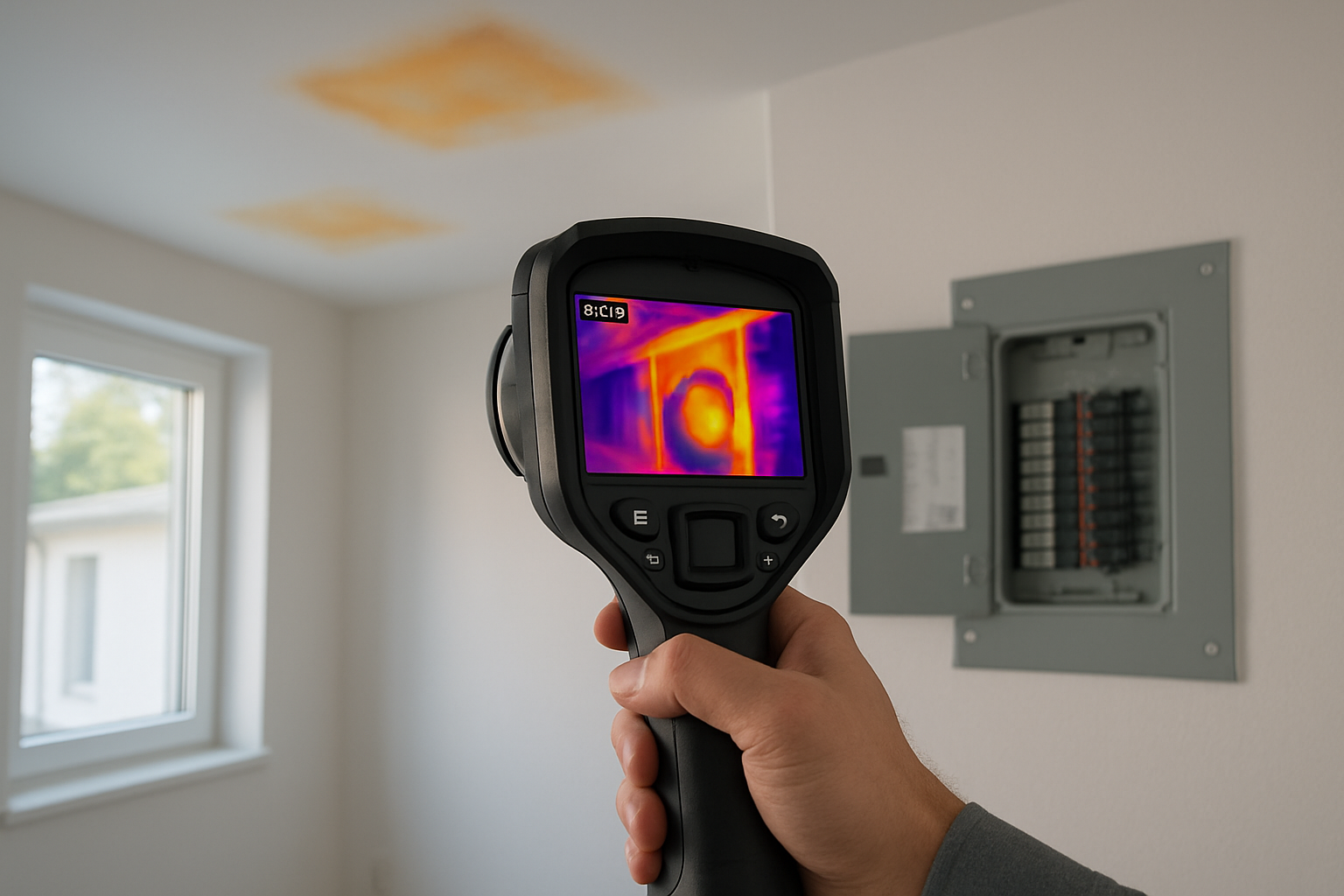
Enhance Property Safety and Efficiency with Thermal Imaging Inspection
Thermal imaging inspection is one of the most effective, non-invasive ways to uncover hidden problems in residential, commercial, and industrial properties. By detecting temperature differences behind walls, ceilings, and equipment, thermal cameras reveal issues that are invisible to the naked eye—helping protect your building, lower energy costs, and reduce the risk of unexpected breakdowns or damage.
What Is Thermal Imaging Inspection and How Does It Work?
Thermal imaging inspection, also known as infrared (IR) thermography, uses specialized cameras to measure surface temperatures and convert them into a visual “heat map.” Warmer and cooler areas appear as different colors, making it easy to spot anomalies that can indicate underlying problems.
An inspector moves through the property, scanning key areas such as electrical panels, walls, ceilings, roofs, HVAC components, and plumbing runs. The thermal camera captures images that show temperature variations. These images are then analyzed to identify potential issues, prioritize repairs, and document the condition of the property.
Thermal imaging is:
- Non-destructive – No cutting into walls or ceilings
- Fast – Large areas can be scanned in a short time
- Accurate – Small temperature differences can reveal big problems
- Versatile – Suitable for homes, offices, warehouses, and industrial sites
Key Problems Thermal Imaging Can Detect in Your Property
Thermal imaging inspection is a powerful diagnostic tool because many building and system failures are preceded by abnormal heat patterns. A professional infrared survey can uncover:
1. Electrical Hotspots and Fire Risks
Overheated electrical components are a leading cause of building fires. Thermal imaging helps identify:
- Overloaded circuits and breakers
- Loose or corroded electrical connections
- Failing fuses, switches, and relays
- Hotspots in distribution panels and busbars
By catching these issues early, you can prevent unplanned outages and significantly reduce fire risk.
2. Hidden Moisture and Water Intrusion
Moisture problems can remain concealed for months while silently damaging your property. Infrared inspection can reveal:
- Roof leaks and trapped moisture in roofing systems
- Plumbing leaks inside walls, ceilings, and floors
- Wet insulation that has lost its thermal performance
- Water intrusion around windows, doors, and foundations
Detecting moisture early helps prevent mold growth, structural damage, and costly remediation projects.
3. Insulation Gaps and Energy Loss
Heating and cooling account for a major portion of energy bills. Thermal imaging makes it easy to see:
- Missing or poorly installed insulation in walls and attics
- Air leaks around doors, windows, and penetrations
- Thermal bridging through structural components
- Performance issues with windows, doors, and weatherstripping
These insights allow you to target improvements that increase comfort while lowering utility costs.
4. HVAC System and Mechanical Issues
Mechanical systems operate best within specific temperature ranges. Infrared thermography can help you spot:
- Overheating motors, bearings, and pumps
- Blocked or leaking ducts and vents
- Imbalanced heating or cooling distribution
- Refrigerant problems indicated by abnormal coil temperatures
Early detection extends equipment life and improves overall system efficiency.
Benefits of Thermal Imaging for Safety, Efficiency, and Compliance
Regular thermal imaging inspections provide measurable advantages for property owners, facility managers, and investors.
Improved Life Safety and Risk Management
By identifying overheating electrical components, hidden leaks, or structural moisture, you can address hazards before they become emergencies. This supports:
- Reduced fire risk and property damage
- Better protection for occupants and staff
- Fewer unplanned outages or shutdowns
- Documented evidence of proactive maintenance
Lower Energy Bills and Better Comfort
Targeted repairs based on thermal data can significantly improve building performance. Typical energy-related benefits include:
- Reduced heating and cooling costs
- Fewer drafts and cold or hot spots
- Optimized insulation and air sealing strategies
- Improved performance of HVAC equipment
Extended Equipment Life and Reduced Maintenance Costs
Thermal imaging helps you shift from reactive repairs to predictive maintenance. This can lead to:
- Longer service life for electrical and mechanical assets
- Fewer emergency repair calls
- Better scheduling of planned maintenance activities
- Higher reliability and uptime for critical systems
Documentation for Insurance, Compliance, and Resale
A professional thermal imaging report provides visual proof of the property’s condition at a specific point in time. This can support:
- Insurance risk assessments and claims documentation
- Compliance with safety and maintenance standards
- Pre-purchase due diligence and property valuations
- Increased buyer confidence when selling a building
When to Schedule a Thermal Imaging Inspection
Thermal imaging is valuable at many stages of a building’s lifecycle. Consider scheduling an inspection:
- Before buying or selling a property to reveal hidden defects and negotiate confidently
- Seasonally to assess building envelope performance during heating or cooling peaks
- Annually or semi-annually as part of a preventive maintenance program
- After major storms to check for roof and moisture damage
- Following renovations or upgrades to verify that insulation, air sealing, and electrical work were performed correctly
For large or mission-critical facilities, creating a recurring thermal imaging schedule is especially beneficial to track trends and intervene before failures occur.
How to Choose a Qualified Thermal Imaging Inspection Provider
Not all infrared inspections deliver the same level of insight. To get accurate, actionable results, work with a provider who brings the right training, equipment, and experience.
When evaluating a thermal imaging inspection service, look for:
- Proper certification in infrared thermography from a recognized organization
- High-resolution, professional-grade cameras capable of detecting small temperature differences
- Experience with your property type (residential, commercial, industrial, or specialty facilities)
- Comprehensive reporting that includes images, analysis, and repair recommendations
- Integration with other building diagnostics, such as blower door testing or electrical testing, when appropriate
A knowledgeable provider will also explain findings clearly, prioritize issues by severity, and collaborate with your contractors or maintenance team to ensure that problems are corrected properly.
Enhanced property safety and efficiency begin with understanding what is happening behind the walls, above the ceilings, and inside your systems. Thermal imaging inspection delivers that insight quickly, safely, and cost-effectively. Schedule a professional thermal imaging inspection today to uncover hidden risks, optimize energy performance, and protect the long-term value of your property.
Keep Reading
- Revolutionize Building Maintenance with Cutting-Edge Thermal Imaging Inspection
- Thermal Inspection: Unveiling Hidden Problems for Optimal Building Performance
- How Air Quality Experts Transform Indoor Environments for Better Health
- The Ultimate Guide to WDO Inspection: Protect Your Home from Wood-Destroying Organisms
- Harness the Potential of Thermal Imaging Inspection for Unseen Building Insights