
August 3, 2026
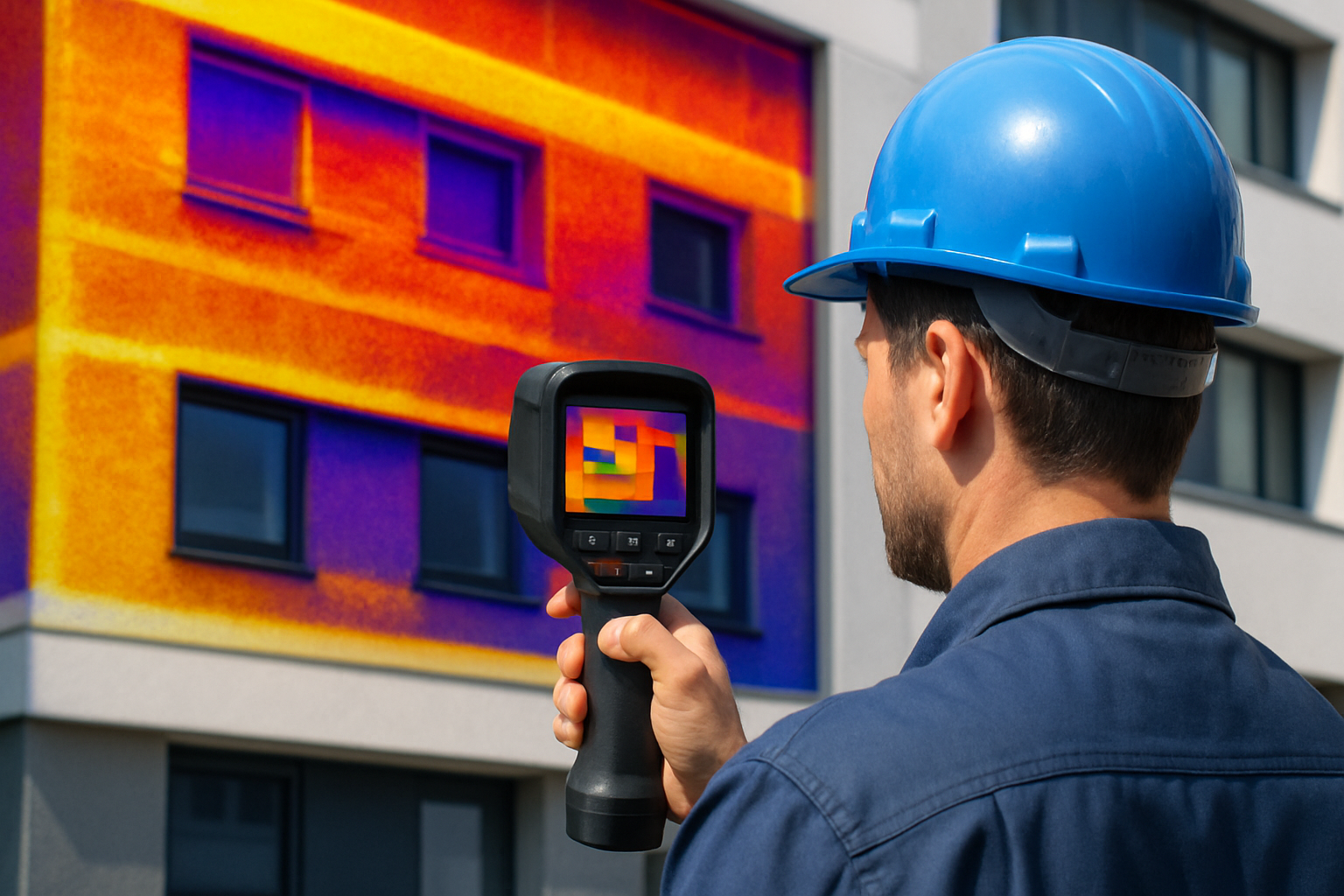
Discover the Unseen: How Thermal Imaging Inspection Transforms Building Maintenance
Thermal imaging inspection is changing how building owners, facility managers, and contractors detect problems—before they become expensive emergencies. By visualizing temperature differences across surfaces, infrared (IR) cameras reveal hidden moisture, electrical faults, insulation gaps, and energy losses that the naked eye simply cannot see. Whether you manage a commercial property, industrial facility, or residential building, thermal imaging offers a fast, non-invasive way to protect your assets and improve performance.
What Is Thermal Imaging Inspection and How Does It Work?
Thermal imaging inspection (also known as infrared inspection or thermographic survey) uses specialized cameras to capture the heat signatures of building components. Every object emits infrared radiation based on its temperature. Thermal cameras convert this radiation into a visual image, showing warmer and cooler areas as distinct colors or shades.
During a building thermal inspection, a trained thermographer systematically scans key areas, interprets the thermal patterns, and documents anomalies that may indicate underlying issues.
Key characteristics of thermal imaging inspections include:
- Non-contact and non-destructive: No drilling, cutting, or invasive testing is required.
- Real-time visualization: Inspectors see temperature variations instantly on-screen.
- High sensitivity: Small temperature differences can reveal big problems.
- Versatility: Applicable to electrical, mechanical, roofing, envelope, and HVAC systems.
This technology makes it possible to catch hidden defects early, prioritize repairs, and validate the success of corrective work.
Top Problems Thermal Imaging Can Reveal in Buildings
Thermal imaging inspection is especially powerful because it uncovers issues that are otherwise time-consuming or impossible to find without damage. Common findings include:
1. Moisture Intrusion and Hidden Leaks
Water damage can compromise structural components, promote mold growth, and degrade indoor air quality. Thermal cameras can detect temperature differences caused by evaporative cooling from wet areas, even when surfaces appear dry.
- Roof leaks beneath membranes or shingles
- Moisture in walls, ceilings, and insulation
- Plumbing leaks inside floors and wall cavities
- Condensation problems around windows and cold bridges
2. Insulation Failures and Energy Loss
Poor insulation and air leakage waste energy and decrease comfort. A building envelope thermal survey clearly shows where heat is escaping in winter or entering in summer.
- Missing or compressed insulation in walls, roofs, and attics
- Thermal bridging at structural elements
- Drafts around windows, doors, and penetrations
- Unsealed gaps in air barriers and vapor barriers
3. Electrical Hot Spots and Fire Risks
Overheating electrical components are a leading cause of unexpected failures and fire hazards. Infrared inspections are now standard practice in many commercial and industrial preventive maintenance programs.
- Loose or corroded connections in panels and switchgear
- Overloaded circuits and breakers
- Failing fuses, conductors, and busbars
- Hot spots in transformers and motor control centers
4. Mechanical and HVAC System Issues
Mechanical and HVAC systems are energy-intensive and critical to occupant comfort and safety. Thermal imaging helps diagnose performance problems and confirm proper operation.
- Overheating motors, bearings, and pumps
- Imbalanced loads on fans and compressors
- Blocked or leaking ducts and coils
- Improper refrigerant distribution and temperature differentials
By revealing these hidden issues early, thermal imaging inspection helps you plan targeted repairs instead of reacting to failures.
Benefits of Thermal Imaging for Building Maintenance and Asset Management
Integrating regular thermal imaging inspections into your building maintenance program offers significant operational and financial benefits.
1. Early Detection and Failure Prevention
Thermal anomalies often appear long before visible symptoms or system breakdowns. When you identify problems at an early stage, you can:
- Prevent unplanned downtime and service interruptions
- Avoid structural degradation and secondary damage
- Reduce emergency call-outs and after-hours work
- Plan repairs during convenient, low-impact periods
2. Energy Efficiency and Sustainability
An energy-focused thermal building survey reveals exactly where to invest in efficiency upgrades and envelope improvements.
- Quantify energy losses from walls, roofs, and glazing
- Identify the most cost-effective insulation improvements
- Verify performance of newly installed building materials
- Support energy audits, certifications, and green building goals
3. Cost Savings and ROI
Although a professional thermal imaging inspection is an upfront investment, it typically pays for itself by preventing major issues and reducing operating costs.
- Lower energy bills through targeted improvements
- Extended life of electrical and mechanical equipment
- Reduced repair and replacement costs
- Better budgeting with data-driven maintenance planning
4. Improved Safety and Compliance
Thermal imaging enhances building safety and supports compliance with insurance and regulatory requirements.
- Identifies electrical fire hazards before they escalate
- Highlights structural moisture and potential mold risks
- Supports safety inspections for critical infrastructure
- Provides documentation for insurers and authorities
Overall, thermal imaging empowers you to transition from reactive to predictive and preventive maintenance—backed by hard data.
When to Schedule a Thermal Imaging Inspection
Knowing the right time to perform a thermal inspection maximizes its value and accuracy. While infrared surveys can be performed year-round, certain conditions and intervals are ideal.
Key Situations to Consider Thermal Imaging
- Before purchasing a property: Reveal hidden defects in roofs, walls, and systems during pre-purchase due diligence.
- After severe weather events: Check for storm, wind, and water damage that may not be visible.
- Prior to major renovations: Understand existing conditions and prioritize upgrades effectively.
- After new construction or retrofits: Verify quality of insulation, air sealing, and mechanical installations.
- On a regular maintenance cycle: Include thermal inspections with annual or biannual preventive maintenance.
Optimal Conditions for Building Envelope Surveys
For the most accurate readings in envelope and insulation inspections, professionals often prefer:
- A significant temperature difference (typically 10°C / 18°F or more) between indoors and outdoors
- Stable weather conditions without direct sunlight on surfaces
- Low wind speeds to avoid rapid surface cooling
- Nighttime or early morning inspections for roofs and facades
Adjusting timing and scope based on your climate, building type, and operational schedule ensures the clearest, most actionable thermal data.
How to Choose a Professional Thermal Imaging Inspection Service
The accuracy and value of a thermal imaging inspection depend heavily on the skill of the thermographer and the quality of the equipment. To ensure reliable results, evaluate potential providers carefully.
Essential Qualifications and Certifications
- Thermography training: Look for Level I, II, or III thermography certification from recognized organizations.
- Building science expertise: Experience with construction, roofing, HVAC, and electrical systems is critical for accurate interpretation.
- Industry-specific experience: Ask about previous projects in commercial, industrial, or residential buildings similar to yours.
Questions to Ask Your Thermal Imaging Provider
- What type and resolution of thermal cameras do you use?
- Do you provide both onsite analysis and a detailed written report?
- How do you verify and interpret anomalies to avoid false positives?
- Can you integrate findings with our existing maintenance management system?
- What safety and access procedures do you follow during inspections?
What a Professional Thermal Imaging Report Should Include
A high-quality inspection report should be clear, visual, and actionable. Look for:
- Annotated thermal images and matching digital photographs
- Descriptions of each anomaly and its probable cause
- Risk assessment and urgency rating for each issue
- Recommended corrective actions or further diagnostics
- Summary of overall building condition and key priorities
With an experienced partner and a detailed report, you can confidently set priorities, justify budgets, and track improvements over time.
Conclusion: See Beyond the Surface and Protect Your Building
Thermal imaging inspection gives you a powerful advantage in managing building performance, safety, and long-term value. By revealing hidden moisture, energy losses, electrical hot spots, and mechanical problems, it turns unseen risks into clear, actionable insights. Whether you oversee a single property or a large portfolio, integrating infrared inspections into your maintenance strategy helps you reduce costs, improve efficiency, and avoid surprise failures.
If you are ready to discover what your building is really hiding, schedule a professional thermal imaging inspection today. Partner with a qualified thermography specialist, uncover critical issues before they escalate, and transform your building maintenance from reactive to proactive.
Keep Reading
- Revolutionize Building Maintenance with Cutting-Edge Thermal Imaging Inspection
- Thermal Inspection: Unveiling Hidden Problems for Optimal Building Performance
- How Air Quality Experts Transform Indoor Environments for Better Health
- The Ultimate Guide to WDO Inspection: Protect Your Home from Wood-Destroying Organisms
- Harness the Potential of Thermal Imaging Inspection for Unseen Building Insights