
June 29, 2026
Discover the Power of Thermal Imaging Inspection for Enhanced Safety and Efficiency
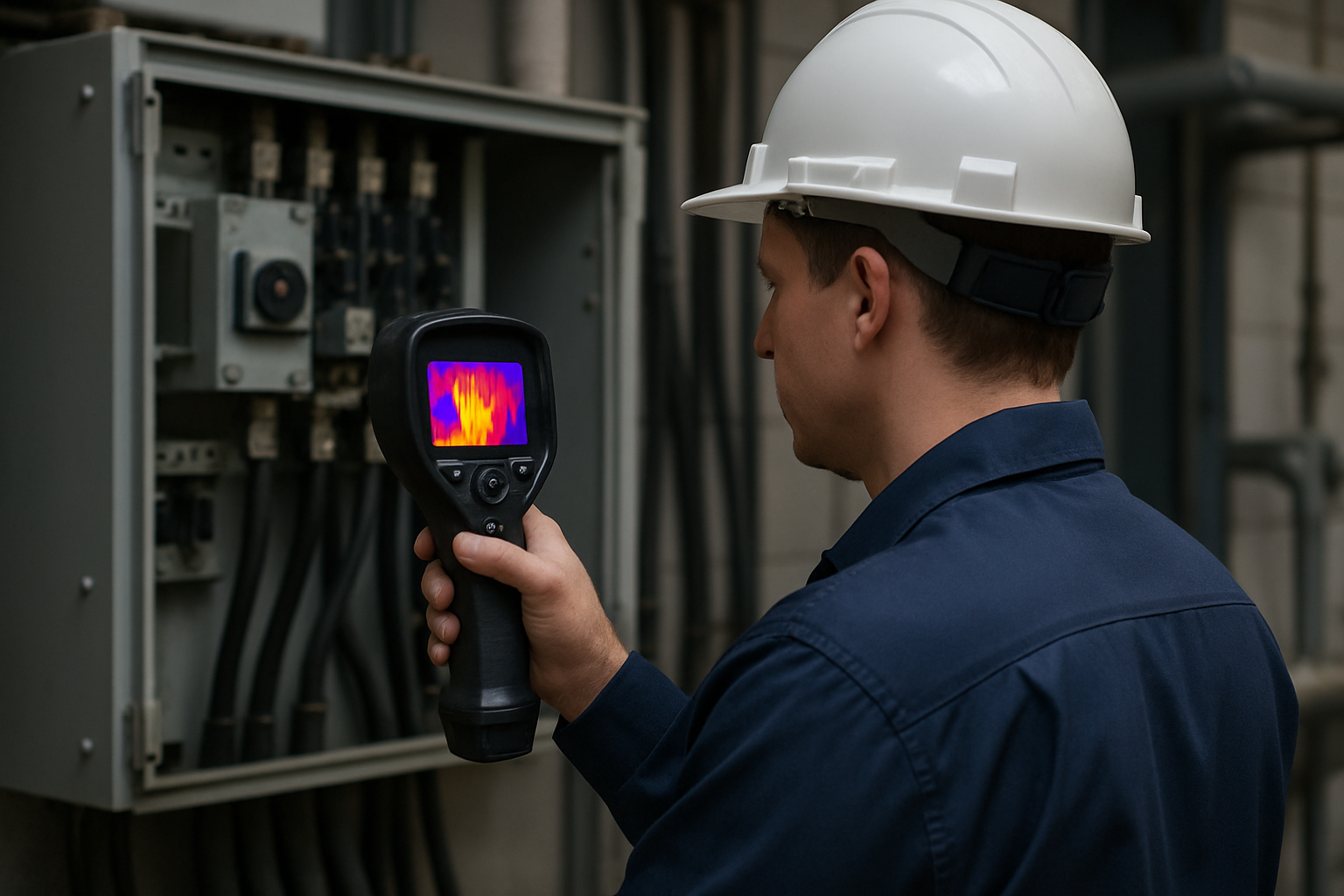
Thermal imaging inspection is transforming how businesses and property owners identify hidden issues, prevent failures, and improve safety. By visualizing temperature differences that the human eye cannot see, thermal cameras reveal problems early—before they become costly emergencies or safety hazards. Whether you manage a facility, own a commercial building, or oversee critical equipment, thermal imaging inspection can significantly boost reliability and efficiency.
What Is Thermal Imaging Inspection and How Does It Work?
Thermal imaging inspection, also called infrared (IR) thermography, uses specialized cameras to detect and measure infrared radiation (heat) emitted by surfaces and objects. Every object with a temperature above absolute zero emits infrared energy. A thermal camera converts this energy into a visual image, known as a thermogram, where different temperatures appear as different colors or shades.
Key elements of how thermal imaging works include:
- Infrared detection: The camera’s sensor reads infrared radiation that is invisible to the naked eye.
- Temperature mapping: Detected heat is translated into a color scale, helping inspectors quickly spot hot or cold anomalies.
- Non-contact measurement: Temperatures are assessed from a safe distance, even in hard-to-reach or hazardous areas.
- Real-time visualization: Inspectors can see live thermal images on-screen, capture photos, and generate detailed reports.
Because thermal imaging is non-invasive and non-destructive, it is ideal for predictive maintenance, building diagnostics, and safety inspections across a wide range of industries.
Key Benefits of Thermal Imaging Inspection for Safety and Efficiency
Implementing a regular thermal imaging inspection program delivers measurable advantages for both safety and operational performance.
1. Early detection of hidden problems
- Identify overheating electrical components before they fail or spark a fire.
- Spot overloaded circuits, loose connections, and unbalanced phases in power distribution systems.
- Reveal insulation gaps, air leaks, and moisture intrusion inside walls and ceilings.
2. Improved safety and risk reduction
- Reduce the likelihood of electrical fires and arc flash incidents.
- Minimize unplanned downtime that can jeopardize critical operations.
- Inspect high-voltage or high-temperature equipment from a safe distance, without direct contact.
3. Enhanced energy efficiency
- Pinpoint where conditioned air is escaping through roofs, windows, and doors.
- Verify the performance of insulation, HVAC systems, and radiant heating.
- Optimize building envelopes to cut utility costs and improve comfort.
4. Cost savings and extended equipment life
- Address minor issues before they cause major breakdowns or structural damage.
- Plan maintenance and repairs proactively instead of reacting to emergencies.
- Protect critical assets by operating them within safe temperature ranges.
5. Non-invasive, fast, and fully documented
- Inspect large areas quickly without opening walls or shutting down systems unnecessarily.
- Capture thermal images and temperature data for trend analysis over time.
- Generate professional reports for insurance, compliance, and asset management.
Common Applications of Thermal Imaging Inspection
Thermal imaging inspection is versatile and can be applied in virtually any environment where temperature differences matter. Some of the most common use cases include:
1. Electrical system inspections
- Switchgear, panels, and breakers
- Transformers, motors, and drives
- Busbars, fuses, and cable terminations
- Overloaded circuits and phase imbalances
Thermal images help maintenance teams quickly locate hot spots that indicate failing connections, corrosion, or load issues—allowing for targeted repairs before failures occur.
2. Mechanical and process equipment inspections
- Bearings, pumps, and gearboxes
- Conveyors, belts, and rotating equipment
- Boilers, heat exchangers, and process piping
Abnormal temperature patterns often reveal friction, misalignment, or blockages. Early detection reduces the risk of catastrophic equipment damage and production interruptions.
3. Building envelope and HVAC diagnostics
- Insulation performance in walls, roofs, and ceilings
- Air infiltration around windows, doors, and penetrations
- Underfloor heating and radiant systems
- Ductwork leaks, blockages, and uneven air distribution
By identifying thermal bridges and inefficiencies, property owners can improve indoor comfort, reduce energy consumption, and verify the quality of construction or renovation work.
4. Moisture and leak detection
- Roof leaks and water intrusion
- Plumbing line leaks in concealed spaces
- Hidden moisture behind walls and under floors
While thermal imaging does not “see” water directly, moisture often causes temperature variations that show up clearly on a thermogram, allowing targeted investigation and remediation.
5. Preventive maintenance and reliability programs
- Routine inspections of critical assets to track temperature trends
- Condition-based maintenance instead of time-based schedules
- Integration with reliability-centered maintenance (RCM) strategies
Thermal data supports smarter decisions about when to repair or replace equipment, helping maximize uptime and extend asset life.
What to Expect During a Professional Thermal Imaging Inspection
Working with a certified thermal imaging specialist ensures accurate data and reliable insights. A typical inspection process includes:
- Pre-inspection planning: The inspector reviews your site, systems, and objectives, then defines the scope of work, access requirements, and safety precautions.
- On-site thermal scanning: Using a professional-grade infrared camera, the inspector scans electrical panels, equipment, building assemblies, or other target areas, capturing thermal images and contextual photos.
- Temperature analysis: The inspector evaluates temperature patterns, compares similar components, and looks for anomalies that indicate potential defects or inefficiencies.
- Verification and correlation: In many cases, suspect hot or cold spots are verified using visual inspection, electrical testing, or moisture measurement tools.
- Reporting and recommendations: You receive a detailed report that typically includes:
- Annotated thermal and digital images
- Identified issues and severity levels
- Probable causes and associated risks
- Recommended corrective actions and maintenance priorities
By following these recommendations, you can systematically address issues, prioritize resources, and track improvements over time.
How to Choose a Thermal Imaging Inspection Provider
Selecting the right partner is essential for accurate results and meaningful improvements. When evaluating thermal imaging inspection services, consider the following factors:
- Certification and training: Look for inspectors with recognized thermography certifications (such as Level I, II, or III) and relevant industry experience.
- Quality of equipment: Professional-grade infrared cameras with high resolution and sensitivity deliver more precise, reliable data.
- Industry expertise: Choose a provider familiar with your sector—commercial buildings, industrial facilities, data centers, manufacturing plants, or residential properties.
- Comprehensive reporting: Ensure they provide clear, actionable reports, not just raw images, so your team knows exactly what to do next.
- Safety and compliance knowledge: Experienced providers understand applicable safety standards, codes, and best practices for your equipment and environment.
Partnering with a qualified provider helps you get maximum value from every inspection and supports your long-term reliability and energy goals.
Frequently asked questions about thermal imaging inspection
- Is thermal imaging safe? Yes. Thermal cameras passively detect infrared radiation and do not emit harmful energy, making the process completely safe and non-destructive.
- Will operations need to stop? In many cases, inspections are performed while systems are energized and running, which actually provides the best data for identifying heat-related issues.
- How often should inspections be done? Frequency depends on your risk profile, equipment criticality, and regulatory requirements. Many facilities schedule annual or semi-annual thermal imaging inspections as part of their preventive maintenance plan.
Unlock the Full Potential of Your Assets with Thermal Imaging
Thermal imaging inspection is one of the most powerful, non-invasive tools available for enhancing safety, reliability, and energy performance. By revealing what the eye cannot see, it helps you detect issues early, avoid costly failures, and optimize the operation of your building or facility.
If you are ready to reduce risk, improve efficiency, and gain deeper insight into your critical systems, now is the time to leverage professional thermal imaging inspection. Contact a qualified thermal imaging specialist today to schedule an assessment, review your options, and start protecting your assets with data-driven precision.
Keep Reading
- Revolutionize Building Maintenance with Cutting-Edge Thermal Imaging Inspection
- Thermal Inspection: Unveiling Hidden Problems for Optimal Building Performance
- How Air Quality Experts Transform Indoor Environments for Better Health
- The Ultimate Guide to WDO Inspection: Protect Your Home from Wood-Destroying Organisms
- Harness the Potential of Thermal Imaging Inspection for Unseen Building Insights