
June 15, 2026
Discover Hidden Issues with Advanced Thermal Imaging Inspection Techniques
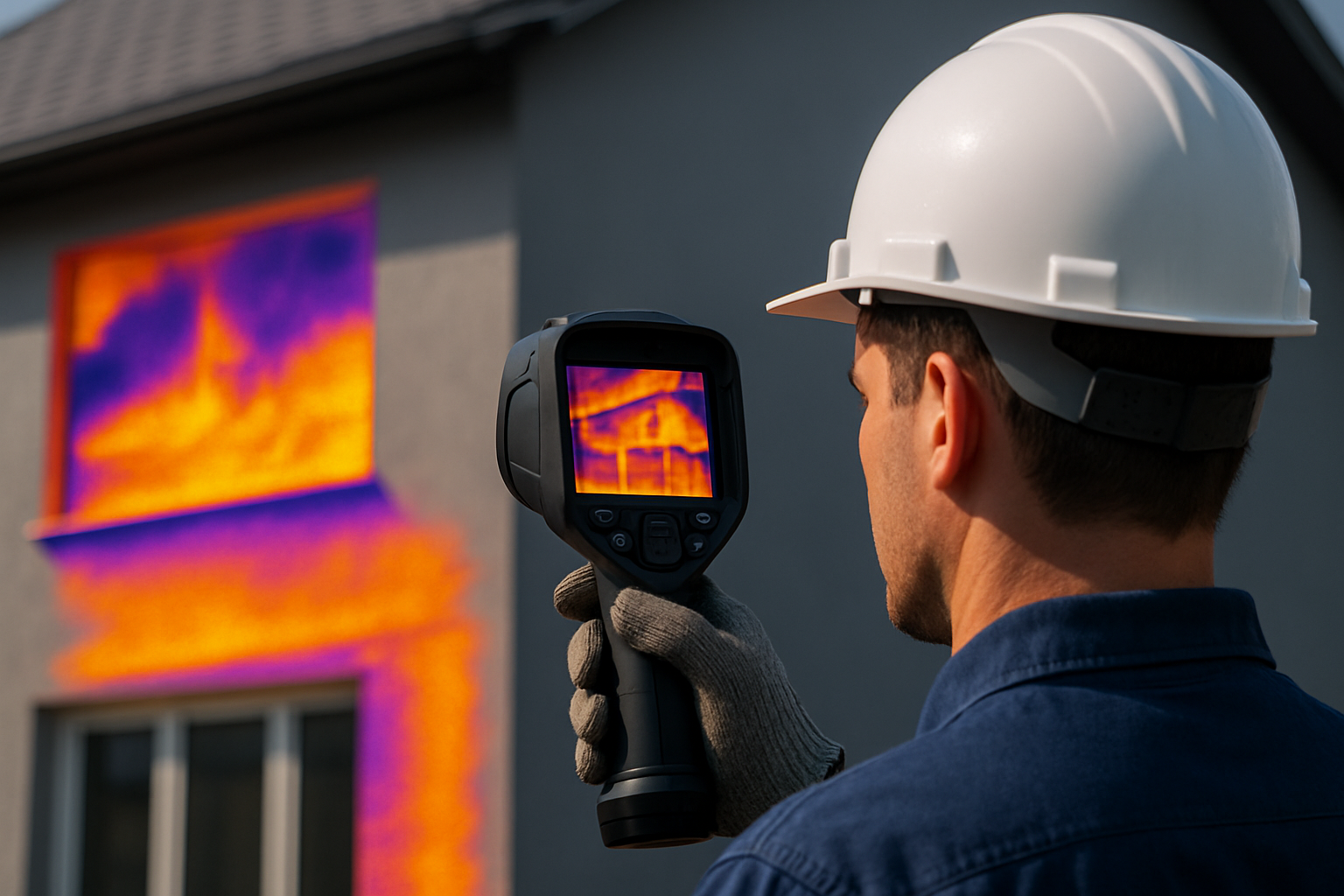
Thermal imaging inspection is a powerful, non-invasive diagnostic technique that reveals hidden problems long before they become visible or cause costly failures. By converting subtle temperature differences into detailed, colorized images, advanced infrared (IR) cameras help building owners, facility managers, and maintenance teams locate issues quickly, accurately, and safely.
What Is Thermal Imaging Inspection and How Does It Work?
Thermal imaging inspection, also known as infrared thermography, uses specialized cameras to detect infrared radiation (heat) emitted by objects and surfaces. Every object above absolute zero gives off infrared energy. Thermal cameras capture this energy and translate it into a visual thermogram that highlights temperature variations across the inspected area.
Key components of the process include:
- Infrared camera sensor: Detects tiny temperature differences, often as small as 0.05°C.
- Image processing software: Converts raw thermal data into color images and analytics.
- Certified thermographer: Interprets patterns, hot spots, and anomalies to diagnose underlying issues.
Unlike destructive or intrusive inspections, thermal imaging is completely non-contact. This makes it ideal for evaluating live electrical systems, active mechanical equipment, roofs, building envelopes, and even process lines without shutting anything down.
Top Applications and Benefits of Thermal Imaging Inspection
Advanced thermal imaging inspection techniques are used across residential, commercial, and industrial environments. They deliver clear ROI by preventing breakdowns, improving safety, and extending asset life.
Common Applications
- Electrical systems: Identify loose connections, overloaded circuits, phase imbalance, failing breakers, and overheating switchgear before they cause arc flash or outages.
- Mechanical equipment: Detect misaligned bearings, friction points, insufficient lubrication, and failing motors in HVAC systems, pumps, and production machinery.
- Building envelope and energy audits: Reveal insulation gaps, missing or damaged insulation, air leaks, and thermal bridges that drive up heating and cooling costs.
- Roof and moisture inspections: Pinpoint trapped moisture, leaks, and wet insulation in flat and low-slope roofs without core sampling.
- Plumbing and radiant systems: Trace hidden hot and cold water lines, radiant floor heating, and potential pipe leaks behind walls or under slabs.
- Solar and renewable systems: Evaluate PV panel hotspots, defective cells, and faulty inverters that reduce system efficiency.
Key Benefits
- Early fault detection: Catch issues in the earliest stages, avoiding emergency repairs and downtime.
- Non-destructive testing (NDT): Inspect hidden components without cutting walls, lifting roofing, or disassembling equipment.
- Improved safety: Assess energized equipment from a safe distance, minimizing arc flash and burn risks.
- Energy efficiency: Reduce utility costs by identifying heat loss, air leaks, and underperforming insulation.
- Documentation and compliance: Create image-based reports that support maintenance records, warranties, insurance requirements, and regulatory compliance.
Advanced Thermal Imaging Techniques Professionals Use
Modern thermography goes far beyond simple “hot spot” detection. Qualified inspectors use a combination of techniques, settings, and standards to produce accurate, repeatable results and actionable recommendations.
1. Correcting for Emissivity and Reflections
Different materials emit heat at different rates. A professional thermographer adjusts for:
- Emissivity: The material’s ability to emit infrared radiation. Shiny metals reflect ambient IR and must be compensated for in the camera settings.
- Reflected temperature: External heat sources, like the sun or nearby equipment, can appear in the image. Inspectors use positioning and calibration techniques to avoid false readings.
2. Load and Operating Condition Analysis
Electrical and mechanical systems must be inspected under appropriate load to reveal genuine issues. Advanced practice includes:
- Scheduling inspections during peak load for electrical switchgear, distribution panels, and transformers.
- Evaluating temperature trends instead of single readings to understand how components behave under real-world duty cycles.
3. Comparative and Delta-T Analysis
Rather than looking at absolute temperature alone, inspectors compare:
- Similar components under similar load: For example, phase-to-phase comparisons in a three-phase system.
- Interior vs. exterior surfaces: For walls, roofs, and windows, to identify conductive heat loss paths.
- Delta-T thresholds: Established temperature difference limits based on manufacturer guidelines and industry standards.
4. Moisture and Building Envelope Thermography
For building and roof inspections, thermographers combine thermal imaging with moisture meters and visual inspection to differentiate between:
- True moisture-related anomalies (wet insulation, leaks, moisture intrusion).
- Benign thermal patterns caused by structural framing, thermal mass, or sun exposure.
5. Trending, Baseline, and Predictive Maintenance
When integrated into a preventive or predictive maintenance program, thermal imaging can significantly reduce unplanned outages. Key practices include:
- Establishing a thermal baseline for critical assets when they are known to be in good condition.
- Periodic re-inspection to track deviations from baseline over time.
- Prioritizing repairs based on severity, rate of change, criticality of equipment, and safety risk.
Choosing a Qualified Thermal Imaging Inspection Provider
The quality of your thermal inspection is only as good as the expertise of the person behind the camera. When selecting a service provider, consider the following factors to ensure accurate, defensible findings.
Essential Qualifications
- Certified thermographers: Look for Level I, II, or III certification from recognized bodies such as ITC, ASNT, or equivalent.
- Application-specific experience: Electrical, mechanical, roofing, and building envelope thermography each require different skill sets.
- Calibrated, high-resolution equipment: Modern, properly maintained cameras with suitable temperature ranges and sensitivity.
- Clear, professional reporting: Comprehensive reports with annotated images, severity rankings, and repair recommendations.
Questions to Ask Before You Hire
- What certifications and training do your thermographers have?
- Do you specialize in electrical, mechanical, roofing, building envelope, or all of the above?
- What standards or best practices do you follow (e.g., NFPA 70B, ISO, ASNT)?
- Can you provide sample inspection reports and references from similar projects?
- How do you prioritize findings and recommend corrective actions?
Best Practices to Maximize the Value of Thermal Imaging
To get the best return from your thermal imaging inspection, integrate it strategically into your maintenance and asset management programs.
Plan Inspections Proactively
- Schedule regular surveys of critical electrical and mechanical equipment at least annually, or more frequently for high-demand facilities.
- Coordinate with operations to ensure equipment is under typical or peak load during inspections.
- Document environmental conditions such as ambient temperature, weather, and operating status, which can influence readings.
Integrate Findings into Maintenance Workflows
- Log thermal anomalies in your CMMS or maintenance software along with severity and recommended action.
- Assign work orders for corrective repairs and verify completion.
- Re-scan repaired areas to confirm that heat signatures have normalized.
Use Thermography for Energy and Sustainability Goals
- Combine infrared inspections with energy audits to quantify savings from insulation upgrades and air sealing.
- Monitor roofs and building envelopes to ensure long-term performance of energy-efficient materials and assemblies.
- Support ESG and sustainability reporting with documented energy-loss reductions and preventive-maintenance metrics.
By following these best practices, you can transform thermal imaging from a one-time diagnostic tool into a cornerstone of your reliability, safety, and energy management strategy.
Conclusion: Reveal Problems Before They Cost You
Advanced thermal imaging inspection techniques give you the power to detect hidden issues long before they create downtime, safety incidents, or expensive repairs. From uncovering overloaded electrical circuits to exposing moisture behind walls and energy losses through the building envelope, infrared thermography delivers clear, visual proof of what is happening inside your assets and structures.
If you are ready to protect your facility, extend equipment life, and improve energy performance, now is the time to schedule a professional thermal imaging inspection. Partner with a certified thermography expert who understands your specific systems and can provide detailed, actionable reports—so you can fix small issues today instead of facing major failures tomorrow.
Keep Reading
- Revolutionize Building Maintenance with Cutting-Edge Thermal Imaging Inspection
- Thermal Inspection: Unveiling Hidden Problems for Optimal Building Performance
- How Air Quality Experts Transform Indoor Environments for Better Health
- The Ultimate Guide to WDO Inspection: Protect Your Home from Wood-Destroying Organisms
- Harness the Potential of Thermal Imaging Inspection for Unseen Building Insights