
Revealing the Unseen: How Thermal Imaging Inspection Enhances Building Safety
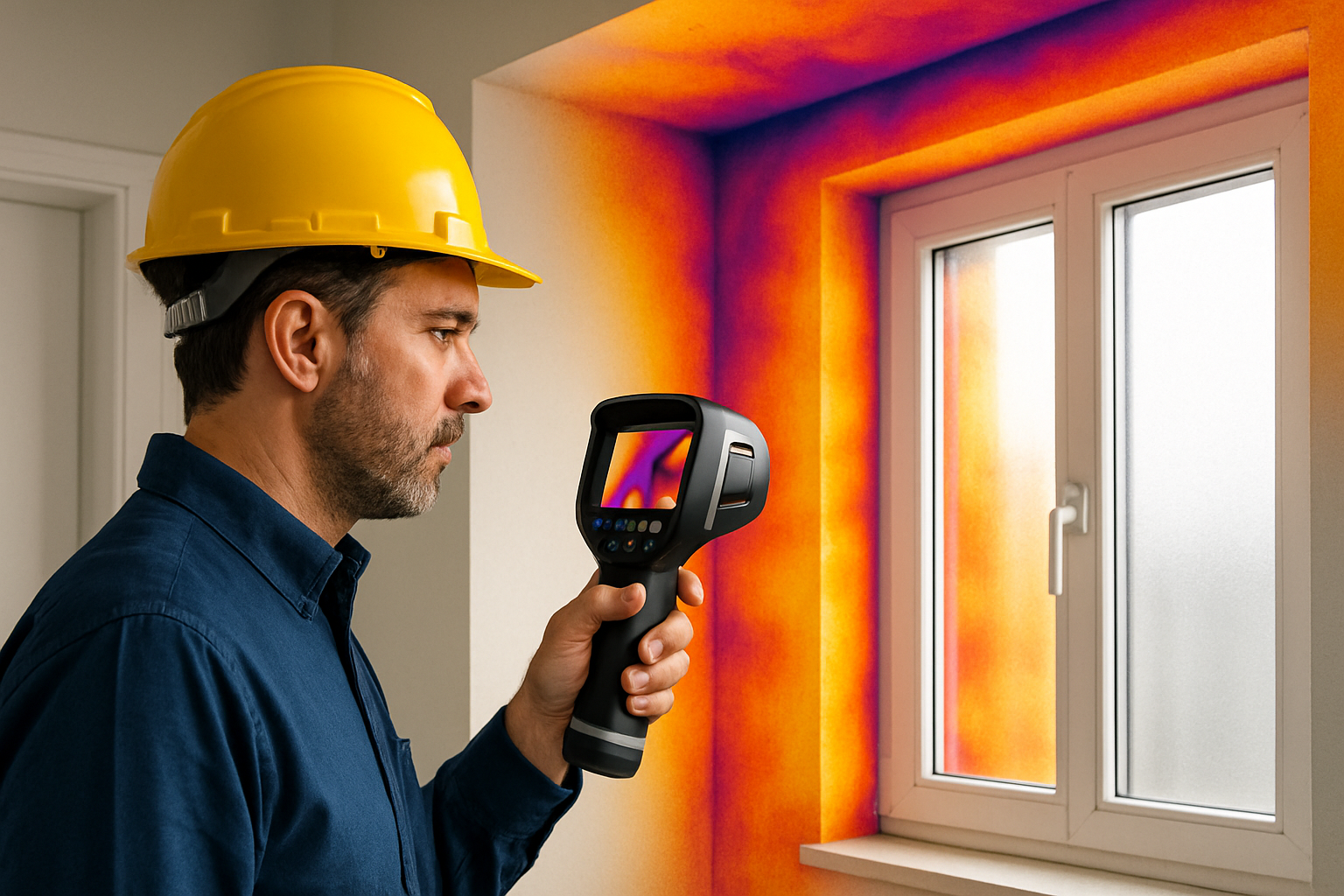
Revealing the Unseen: How Thermal Imaging Inspection Enhances Building Safety
Thermal imaging inspection has become one of the most powerful, non-invasive ways to detect hidden problems inside buildings. By visualizing temperature differences, infrared cameras reveal issues that the naked eye cannot see—helping property owners, facility managers, and building inspectors improve safety, reduce energy loss, and prevent costly damage. Whether you manage a single home or a portfolio of commercial properties, thermal imaging inspection is a critical tool for proactive building maintenance and risk prevention.
What Is Thermal Imaging Inspection?
Thermal imaging inspection, also known as infrared inspection or thermographic scanning, uses specialized cameras to capture the heat patterns emitted by surfaces and materials. Every object radiates infrared energy; thermal cameras translate that energy into color-coded images that show hot and cold areas, even when they are hidden behind walls, ceilings, floors, or building envelopes.
Key characteristics of thermal imaging inspection include:
- Non-destructive: No cutting, drilling, or opening of structures is required.
- Real-time results: Inspectors can see problem areas instantly on the camera display.
- High sensitivity: Subtle temperature variations reveal moisture, air leaks, and electrical issues.
- Versatility: Effective in residential, commercial, industrial, and institutional buildings.
Unlike traditional visual inspections, thermal imaging does not rely on visible damage to identify a problem. Instead, it focuses on heat signatures, making it an ideal tool for early detection of hidden building defects.
How Thermal Imaging Enhances Building Safety
Building safety depends on detecting risks before they escalate into emergencies. Thermal imaging inspections are widely used by building inspectors, engineers, restoration contractors, electricians, and property managers to identify safety hazards long before they become visible. Some of the most important safety benefits include:
- Early detection of electrical hazards: Overloaded circuits, loose connections, and failing components generate excess heat. Thermal imaging reveals these hot spots, reducing the risk of electrical fires.
- Identification of hidden moisture and mold risks: Wet materials often appear cooler than surrounding dry areas. By pinpointing moisture behind walls or under roofs, thermal inspections help prevent structural deterioration and mold growth that can affect occupant health.
- Improved fire safety in mechanical rooms: Motors, pumps, and HVAC components that run too hot can fail or ignite. Routine thermal scanning detects abnormal temperatures in mechanical equipment.
- Enhanced life safety systems performance: Thermal imaging can help evaluate insulation around fire-rated assemblies, detect missing or compromised fire stopping, and verify that key safety components are performing as intended.
By integrating thermal imaging into regular building maintenance plans, owners and managers can reduce liability, extend the life of building systems, and create safer environments for occupants.
Common Issues Detected During Thermal Imaging Inspections
Infrared building inspections are capable of revealing a wide range of concealed problems. While each property is unique, some issues appear frequently during thermal surveys of homes, offices, industrial facilities, and public buildings.
1. Moisture Intrusion and Water Damage
Water leaks and trapped moisture are among the most costly and difficult issues to diagnose without specialized tools. Thermal imaging helps locate:
- Roof leaks and saturated insulation beneath flat or sloped roofs
- Plumbing leaks in walls, ceilings, and slab-on-grade floors
- Water penetration around windows, doors, decks, and balconies
- Hidden moisture behind tile, drywall, or paneling
By isolating the precise location of moisture, thermal inspections allow targeted repairs and minimize unnecessary demolition.
2. Insulation Deficiencies and Energy Loss
Poor insulation contributes to temperature imbalance, drafts, and high utility bills. Thermal cameras easily reveal:
- Missing or compressed insulation in walls, attics, and ceilings
- Thermal bridging through framing, steel members, and structural elements
- Gaps around recessed lights, access panels, and utility penetrations
- Uninsulated HVAC ductwork in unconditioned spaces
Addressing these deficiencies improves comfort, reduces energy costs, and lowers the strain on HVAC systems.
3. Air Leakage and Envelope Performance
Air leakage can compromise indoor air quality and energy efficiency. During an infrared inspection—often paired with blower door testing—inspectors can identify:
- Leaky window and door frames
- Unsealed penetrations for wiring, plumbing, and vents
- Air leakage at wall-to-roof or wall-to-floor transitions
- Drafts around fireplaces, chimneys, and attic hatches
Sealing these leaks helps maintain stable indoor conditions and supports better building enclosure performance.
4. Electrical System Concerns
Electrical components that are loose, corroded, or overloaded will typically run hotter than normal. Thermal imaging is used to find:
- Overheated breakers and fuses in electrical panels
- Loose lugs and connections in switchgear and bus ducts
- Overloaded circuits and unbalanced phases
- Failing transformers, contactors, and motor control centers
Correcting these conditions reduces fire risk and can prevent unplanned outages or equipment failure.
Thermal Imaging Inspection Process: What to Expect
Understanding how a thermal imaging inspection is performed helps property owners and managers prepare their buildings and interpret the results effectively. While each service provider has unique procedures, a typical process includes the following steps:
- Initial consultation and scope definition
During the first conversation, you and the inspection provider clarify the goals of the inspection—whether focused on building safety, energy efficiency, moisture investigation, preventive maintenance, or a combination of these. The inspector defines the areas to be assessed and any operational conditions required. - Site preparation
For accurate results, certain conditions may need to be met, such as temperature differences between indoors and outdoors, or normal electrical and mechanical loads. You may be asked to:- Ensure access to electrical panels, mechanical rooms, attics, and roofs where safe.
- Close windows and doors to evaluate envelope performance.
- Operate HVAC systems and typical building loads as usual.
- Infrared scanning
The inspector uses a professional thermal imaging camera to scan interior and exterior surfaces, including walls, ceilings, roofs, windows, electrical panels, mechanical systems, and building envelope components. Suspicious patterns—such as localized hot spots, cold spots, or unusual gradients—are documented. - Data capture and supporting measurements
In addition to thermal images, inspectors often collect visible-light photos, moisture meter readings, and surface temperature measurements. Combining these data points improves accuracy and supports definitive conclusions. - Analysis and interpretation
Specialized software is used to analyze thermal images, adjust temperature scales, and highlight anomalies. Trained thermographers interpret the images in context, considering environmental conditions, building design, and known material properties. - Reporting and recommendations
You receive a detailed report that typically includes:- Annotated thermal and digital photos of each issue
- Descriptions of probable causes and related risks
- Prioritized recommendations for corrective actions
- Suggested follow-up inspections or monitoring where necessary
This structured approach ensures you not only see where problems exist, but also understand their implications and the best path toward resolution.
Choosing a Thermal Imaging Inspection Provider
Selecting the right infrared inspection specialist is critical for accurate, reliable results. Not all thermal cameras are equal, and correct interpretation of thermographic images requires training and experience. When evaluating providers in your area, consider the following criteria:
- Certification and training: Look for inspectors certified in thermography (for example, Level I, II, or III thermographers) and experienced specifically in building applications such as moisture diagnostics, electrical systems, or building envelopes.
- Industry experience: Ask about past projects that match your property type—residential, commercial, industrial, healthcare, education, or government facilities. Experience with your building systems translates into more accurate assessments.
- Equipment quality: Professional-grade thermal cameras with high resolution and sensitivity provide more detail and reliability than basic consumer devices.
- Comprehensive reporting: A good provider delivers clear, documented findings, not just raw thermal images. Reports should be understandable to both technical and non-technical stakeholders.
- Local building knowledge: Providers who work regularly in your climate zone and local market understand regional construction practices, typical failure points, and relevant codes or standards.
For the best long-term value, consider thermal imaging inspection as a recurring service—integrated into annual safety audits, preventive maintenance programs, and pre-purchase due diligence for real estate investments.
Conclusion: Protect Your Building with Thermal Imaging Inspection
Thermal imaging inspection gives you a powerful advantage: the ability to see problems before they become emergencies. From uncovering hidden moisture and insulation gaps to catching electrical hot spots and mechanical issues, thermographic inspections enhance building safety, reliability, and energy performance. If you are responsible for the safety and longevity of a home, commercial building, or facility portfolio, now is the time to integrate infrared inspections into your maintenance strategy. Contact a qualified thermal imaging inspection provider in your area to schedule a comprehensive evaluation and start revealing the unseen risks inside your building—before they cost you time, money, or safety.
Keep Reading
- Elevate Building Maintenance with Innovative Thermal Imaging Inspection Techniques
- Comprehensive Fuel Tank Inspection: Ensuring Safety and Longevity
- Revealing the Unseen: How Thermal Imaging Inspection Enhances Building Safety
- Optimize Workplace Health with Comprehensive Commercial Indoor Air Quality Testing
- Revealing Hidden Building Flaws with Thermal Imaging Inspection