
How Air Quality Experts Enhance Indoor Health and Safety
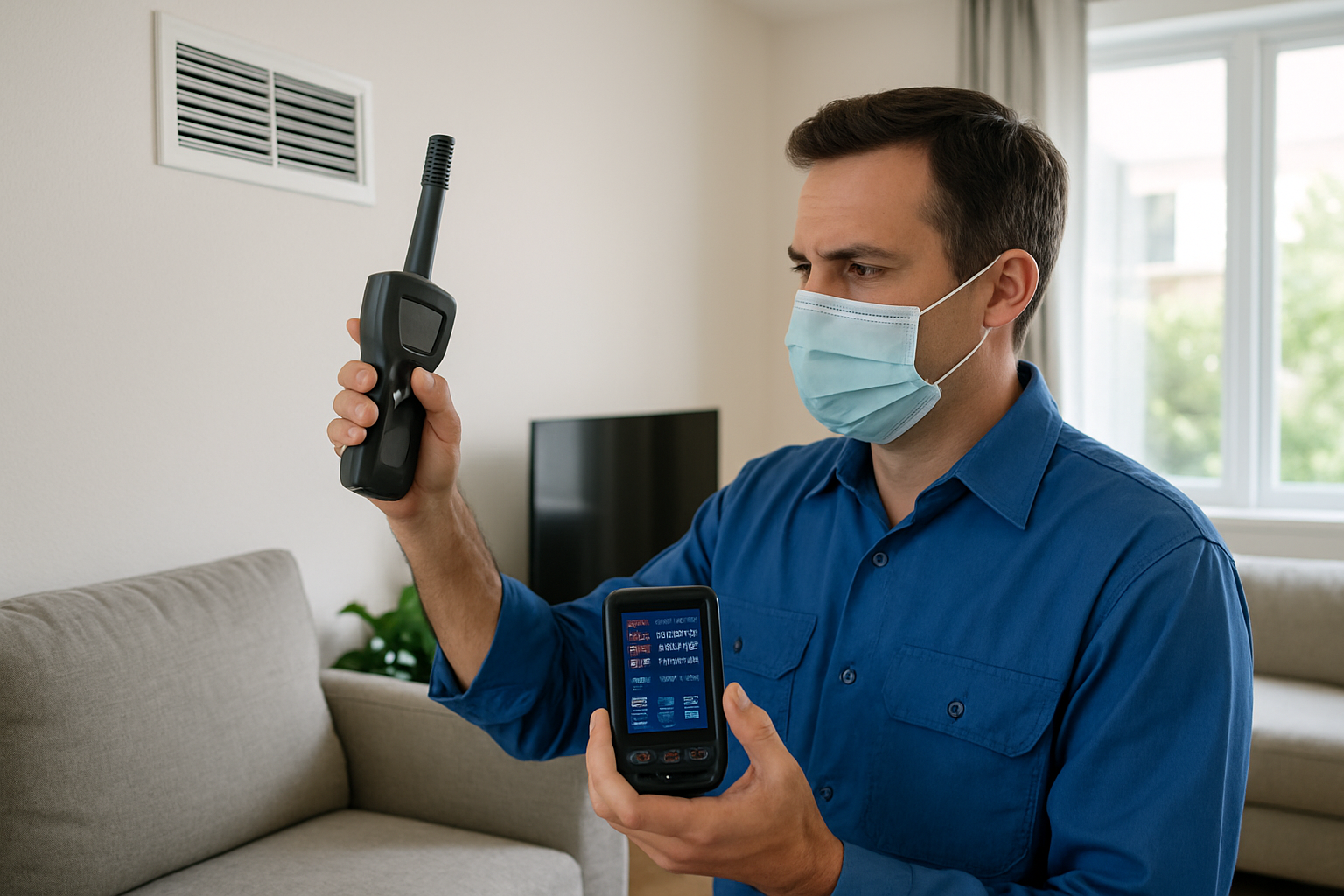
How Air Quality Experts Enhance Indoor Health and Safety
Indoor air can be up to five times more polluted than outdoor air, yet most people spend over 90% of their time inside. Air quality experts play a critical role in finding hidden pollutants, improving ventilation, and creating healthier, safer indoor environments for homes, offices, schools, healthcare facilities, and industrial sites.
What Air Quality Experts Do and Why They Matter
Air quality experts are trained professionals who assess, monitor, and improve indoor and outdoor air conditions. They combine science, technology, and regulatory knowledge to identify risks that most occupants never see or smell.
Key responsibilities of air quality experts include:
- Identifying pollutants: Measuring levels of particulate matter, VOCs, mold spores, carbon monoxide, radon, and other contaminants.
- Evaluating ventilation: Checking whether HVAC systems bring in adequate fresh air and remove stale, contaminated air.
- Ensuring compliance: Helping buildings meet local, state, and national air quality standards and guidelines.
- Recommending solutions: Proposing filtration upgrades, source control, cleaning protocols, and policy changes.
- Ongoing monitoring: Setting up continuous or periodic testing to ensure long-term air quality performance.
By translating complex data into practical actions, air quality experts help building owners, facility managers, and homeowners protect the health of everyone inside.
Common Indoor Air Pollutants Air Quality Experts Detect
Many indoor pollutants are invisible, odorless, or easily mistaken for minor issues like dust or seasonal allergies. Air quality experts use calibrated instruments and established sampling protocols to pinpoint the exact sources and concentrations of contaminants.
Some of the most common indoor air pollutants include:
- Particulate matter (PM2.5 and PM10): Fine and coarse particles from dust, smoke, combustion, and outdoor pollution that can irritate lungs and worsen heart and respiratory problems.
- Volatile organic compounds (VOCs): Chemicals off-gassing from paints, cleaning products, furniture, adhesives, and office equipment, often linked to headaches, dizziness, and long-term health risks.
- Mold and biological contaminants: Mold spores, bacteria, pollen, and pet dander that can trigger allergies, asthma, and other respiratory issues.
- Carbon monoxide (CO): A colorless, odorless gas from fuel-burning appliances and vehicles that can be deadly at high levels.
- Carbon dioxide (CO2): A marker of occupancy and ventilation adequacy; elevated CO2 can reduce concentration, productivity, and comfort.
- Radon gas: A naturally occurring radioactive gas seeping in from soil; prolonged exposure increases lung cancer risk.
- Formaldehyde and other hazardous chemicals: Emitted from building materials, pressed-wood products, and textiles, especially in newly renovated or constructed spaces.
By quantifying these pollutants, air quality experts can separate mild discomfort from serious health risks and prioritize the most urgent fixes.
How Air Quality Assessments Improve Health and Safety
A professional indoor air quality (IAQ) assessment is more than a simple spot check. It is a structured process that captures conditions over time and connects the data to real-world health and safety outcomes.
Typical steps in an IAQ assessment include:
- Initial consultation: Reviewing building history, occupant complaints, recent renovations, and HVAC system details.
- On-site inspection: Walking the property to identify visible issues such as water damage, odors, blocked vents, or poorly maintained mechanical equipment.
- Instrument-based testing: Using meters and sensors to measure temperature, humidity, CO2, CO, VOCs, particulate matter, and specific pollutants as needed.
- Sampling and laboratory analysis: Collecting air, dust, or surface samples for mold, asbestos, or chemical analysis when required.
- Data interpretation: Comparing results with local regulations, WHO and EPA guidelines, or occupational standards like OSHA.
- Actionable report: Delivering a clear summary of findings, prioritized recommendations, and an implementation timeline.
- Follow-up verification: Retesting after corrective work to confirm that conditions have improved.
Benefits of a comprehensive air quality assessment include:
- Better health outcomes: Reduced asthma attacks, allergies, headaches, fatigue, and respiratory infections.
- Improved comfort and productivity: Stable temperature and humidity, fresher air, and fewer complaints from building occupants.
- Reduced liability and risk: Documented compliance with health and safety standards, crucial for employers and property managers.
- Longer equipment life: Cleaner air and proper maintenance extend the lifespan of HVAC systems and reduce energy costs.
Solutions Air Quality Experts Use to Optimize Indoor Environments
After identifying air quality issues, experts design targeted solutions tailored to building type, climate, and occupancy patterns. Rather than relying on one-size-fits-all fixes, they typically combine multiple strategies.
Common solutions recommended by air quality professionals include:
- Source control: Eliminating or reducing pollutant sources such as harsh cleaning chemicals, unvented gas heaters, or water leaks that lead to mold.
- Ventilation improvements: Increasing outdoor air intake, balancing supply and return airflow, and using demand-controlled ventilation based on CO2 levels.
- Enhanced filtration: Upgrading to higher MERV-rated filters, installing HEPA filtration where appropriate, and ensuring filters are changed on schedule.
- Humidity management: Maintaining relative humidity between 30% and 50% to reduce mold growth and improve comfort.
- Air purification technologies: Applying UV-C lights, bipolar ionization, or activated carbon filters when they are appropriate, validated, and correctly installed.
- Operational and cleaning protocols: Implementing healthier cleaning products, scheduled deep-cleaning, and best practices for managing dust and allergens.
- Occupant education: Training staff and residents on simple behaviors that maintain good air quality, such as not blocking vents and responsibly using sprays or fragrances.
Because every building and region is different, local air quality experts also factor in outdoor pollution levels, seasonal humidity, local building codes, and typical climate patterns to create a geo-optimized strategy that works where you live and work.
Choosing the Right Air Quality Expert in Your Area
Selecting the right air quality specialist is essential for accurate results and effective solutions. Look for professionals with the right mix of credentials, experience, and local knowledge.
When evaluating air quality experts near you, consider the following:
- Credentials and certifications: Look for certifications related to industrial hygiene, environmental health, HVAC, or IAQ, and ensure they comply with your regional and national standards.
- Experience with your building type: Ask whether they regularly work with homes, offices, schools, healthcare settings, industrial facilities, or multi-unit properties similar to yours.
- Clear testing methods: Reputable experts explain which tests they will perform, which instruments or labs they use, and how long sampling will take.
- Transparent reporting: Insist on a written report with data summaries, interpretation, and prioritized recommendations, not just raw numbers.
- Local and geographic expertise: Professionals who understand your area’s climate, typical outdoor pollution, and local codes can design more effective, location-specific solutions.
- References and reviews: Check testimonials, case studies, or third-party reviews to verify results and customer satisfaction.
Before hiring, prepare a list of occupant concerns, past issues, and any existing HVAC documentation so your air quality expert can quickly understand your environment and tailor their approach.
Protect Your Indoor Environment with Professional Air Quality Support
Healthy indoor air is not a luxury; it is a cornerstone of long-term wellness, safety, and productivity. Air quality experts bring the tools, training, and local insight needed to uncover hidden pollutants, meet regulatory requirements, and create cleaner, safer spaces for everyone inside.
If you are experiencing unexplained health symptoms, persistent odors, or frequent complaints about comfort and air quality, now is the time to act. Connect with a qualified air quality expert in your area, schedule a comprehensive assessment, and take the first steps toward a healthier indoor environment today.
Keep Reading
- Elevate Building Maintenance with Innovative Thermal Imaging Inspection Techniques
- Comprehensive Fuel Tank Inspection: Ensuring Safety and Longevity
- Revealing the Unseen: How Thermal Imaging Inspection Enhances Building Safety
- Optimize Workplace Health with Comprehensive Commercial Indoor Air Quality Testing
- Revealing Hidden Building Flaws with Thermal Imaging Inspection