September 21, 2026
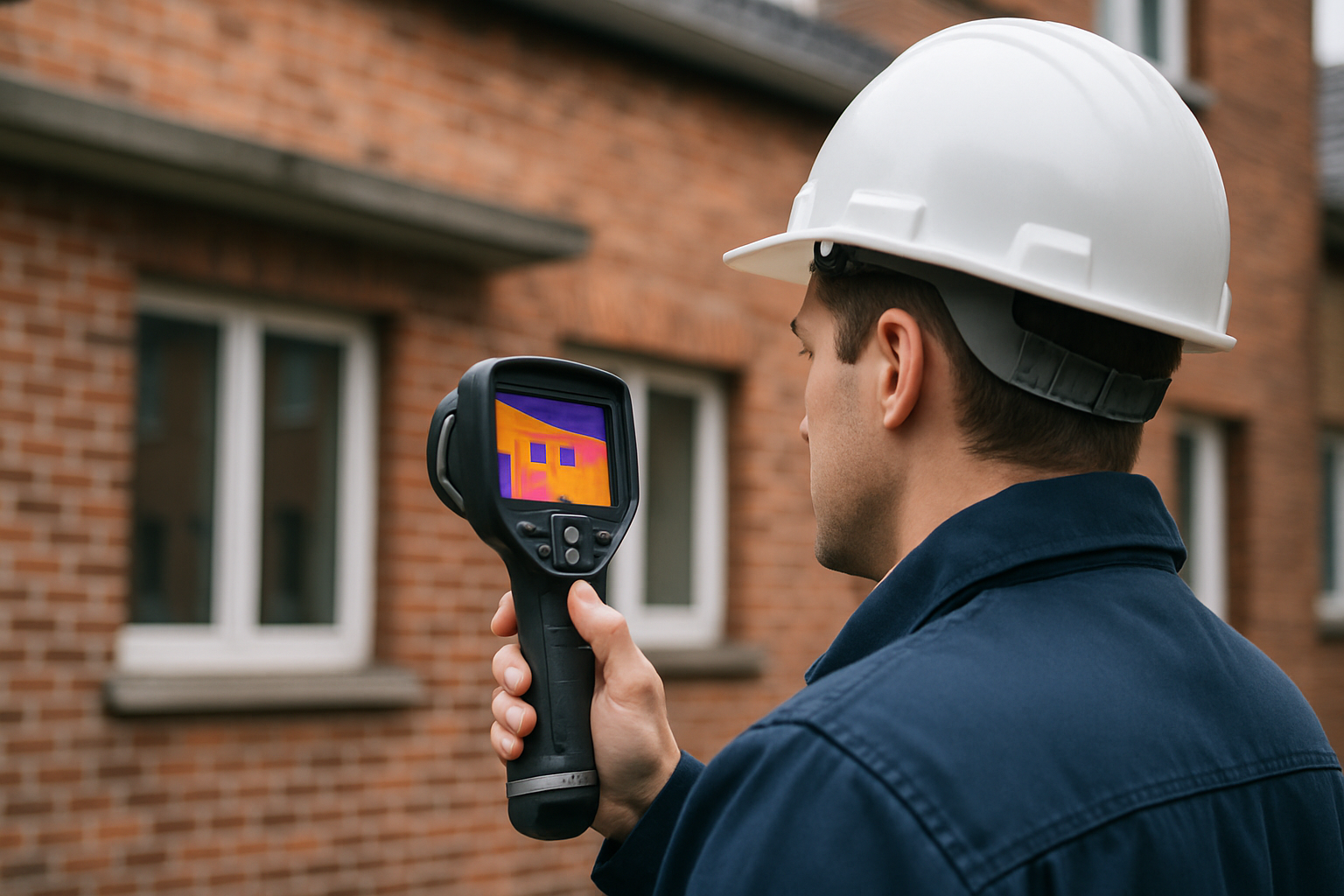
Revolutionize Building Maintenance with Cutting-Edge Thermal Imaging Inspection
Thermal imaging inspection is transforming how facility managers, building owners, and maintenance teams detect hidden problems, reduce costs, and extend the life of their assets. By visualizing temperature differences across building components and systems, thermal imaging delivers fast, non-invasive insights that traditional inspection methods often miss.
What Is Thermal Imaging Inspection and How Does It Work?
Thermal imaging inspection, also called infrared (IR) thermography, uses specialized cameras to detect and measure infrared radiation (heat) emitted by surfaces. These cameras convert heat signatures into visual images, where different colors represent different temperatures. This allows inspectors to see temperature anomalies that may indicate faults, damage, or inefficiencies.
Key components of thermal imaging technology include:
- Infrared camera sensors: Capture heat radiation instead of visible light.
- Thermal image processor: Converts raw temperature data into a color or grayscale image.
- Temperature calibration: Allows accurate measurement of surface temperatures.
- Analysis software: Helps interpret thermal patterns, identify anomalies, and generate reports.
Because it is non-contact and non-destructive, thermal imaging inspection is ideal for analyzing:
- Building envelopes and roofing systems
- Electrical panels and distribution systems
- HVAC and mechanical equipment
- Plumbing and hydronic heating systems
- Industrial processes and manufacturing assets
Key Benefits of Thermal Imaging for Building Maintenance
Integrating thermal imaging inspection into your building maintenance strategy delivers powerful advantages across safety, performance, and cost control.
1. Early Problem Detection and Failure Prevention
Thermal imaging reveals temperature anomalies long before they escalate into costly failures or safety incidents. You can quickly detect:
- Overheating electrical connections and overloaded circuits
- Failing motors, bearings, or mechanical components
- Moisture intrusion in roofing, walls, and insulation
- Blocked or leaking HVAC ducts and piping
By identifying issues early, facilities can schedule targeted repairs rather than reacting to emergencies.
2. Reduced Maintenance Costs and Downtime
Thermal imaging supports predictive and preventive maintenance strategies that minimize unplanned downtime. Benefits include:
- Fewer emergency callouts: Plan repairs during off-peak hours.
- Lower repair costs: Address minor defects before they cause major damage.
- Optimized asset life: Keep equipment within safe operating temperatures.
- Improved budgeting: Prioritize capital improvements based on objective data.
3. Energy Efficiency and Sustainability Gains
Energy loss and poor insulation are costly and environmentally damaging. Thermal imaging inspection makes invisible energy waste visible by:
- Locating air leaks around windows, doors, and penetrations
- Identifying missing, compressed, or damp insulation
- Highlighting thermal bridges in walls, floors, and roofs
- Verifying performance of energy retrofits and upgrades
The result is a more energy-efficient, comfortable building with lower utility bills and reduced carbon footprint.
4. Enhanced Safety and Regulatory Compliance
Safety and compliance are critical for any facility. Thermal imaging inspection helps you:
- Spot hot spots in electrical systems that could start fires
- Verify safe operating conditions of critical equipment
- Support compliance with insurance, electrical, and safety standards
- Document conditions for audits, inspections, and insurance claims
With detailed thermal reports, you create a verifiable record of proactive maintenance and risk management.
Top Applications of Thermal Imaging in Buildings and Facilities
Thermal imaging inspection can be tailored to virtually every type of building—from commercial offices and industrial plants to residential properties and public infrastructure.
Building Envelope and Roof Inspections
Infrared thermography is a powerful tool for evaluating the integrity and performance of the building envelope.
Use thermal imaging to:
- Detect roof leaks and trapped moisture in flat or low-slope roofs
- Locate water damage inside walls, ceilings, and facades
- Identify missing or deteriorated insulation
- Verify the success of roof repairs and replacements
These insights help extend roof life, prevent interior damage, and validate warranty claims.
Electrical System Inspections
Electrical failures are a leading cause of fires and unplanned outages. A thermal imaging electrical survey can quickly reveal:
- Overheated breakers and fuses
- Loose or corroded connections
- Unbalanced loads and overloaded circuits
- Failing transformers, switchgear, and bus bars
Routine thermal imaging inspections of electrical panels and equipment help prevent catastrophic failures and support compliance with industry best practices.
HVAC, Mechanical, and Process Equipment
Mechanical systems are critical for comfort and productivity. Thermal imaging helps you monitor:
- Chillers, boilers, and heat exchangers
- Pumps, motors, and bearings
- Ductwork and piping for blockages or leaks
- Steam traps and condensate lines
Thermal data makes it easier to tune equipment for peak efficiency, reduce wear, and avoid unexpected breakdowns.
Plumbing, Moisture, and Mold Prevention
Water is one of the most destructive forces in buildings. Thermal imaging can detect subtle temperature differences associated with leaks and moisture intrusion, helping you:
- Find hidden plumbing leaks in walls and floors
- Identify areas prone to condensation and mold growth
- Trace radiant floor heating and hydronic systems
- Confirm drying progress after water damage events
Early detection keeps repair costs down and prevents long-term structural issues and health risks.
How to Implement a Thermal Imaging Inspection Program
To fully realize the benefits of thermal imaging, approach it as a structured program rather than a one-time activity.
1. Define Your Objectives and Scope
Start by clarifying what you want to achieve, such as:
- Reducing energy consumption and operating costs
- Preventing electrical and mechanical failures
- Extending roof and building envelope life
- Improving safety and compliance documentation
Then determine which facilities, systems, and assets should be included in the inspection plan.
2. Choose Professional Services vs. In-House Capability
You can either hire certified thermal imaging specialists or build in-house capacity.
Consider professional thermography services when you:
- Need expert analysis and detailed reporting
- Have complex facilities or critical infrastructure
- Require independent, third-party documentation
Consider in-house capability when you:
- Have ongoing maintenance and inspection needs
- Want rapid, frequent checks of critical assets
- Plan to integrate thermal imaging with your CMMS or asset management system
3. Establish Inspection Schedules and Workflows
Effective programs rely on consistent, repeatable processes. Best practices include:
- Creating inspection routes for each building or plant
- Aligning thermal imaging with preventive maintenance intervals
- Establishing criteria for what counts as a critical anomaly
- Defining escalation procedures for urgent findings
Integrating results into your computerized maintenance management system (CMMS) ensures that findings translate into timely work orders and repairs.
4. Standardize Reporting and Documentation
Clear, consistent reports make thermal insights actionable. A strong thermal imaging report typically includes:
- Visible and thermal images side by side
- Annotated hot spots with temperature readings
- Asset tags, locations, and equipment details
- Severity ratings and repair recommendations
- Trending data from past inspections where available
Standardized reporting supports decision-making, budgeting, and compliance audits across your organization.
Optimizing Thermal Imaging for Local and Industry-Specific Needs
To get the maximum value and visibility from thermal imaging inspection, tailor your approach to your geography, industry, and regulatory environment.
Local (GEO) Optimization Considerations
Different regions pose distinct building and climate challenges. When planning thermal imaging inspections, account for:
- Climate conditions: Seasonal temperature swings, humidity, and solar loading influence inspection timing and interpretation.
- Regional building practices: Common wall assemblies, roofing systems, and insulation standards vary by area.
- Local codes and standards: Energy codes, safety regulations, and inspection requirements may dictate inspection scope and frequency.
Partnering with a local thermal imaging specialist ensures your inspections are aligned with regional best practices and compliance needs.
Industry-Specific (AIO) Maintenance Strategies
Every industry uses thermal imaging in different ways. Examples include:
- Commercial real estate: Routine electrical, HVAC, and envelope surveys to protect tenant comfort and property value.
- Industrial and manufacturing: Process monitoring, motor and bearing checks, and electrical system audits for uptime and safety.
- Healthcare and data centers: Critical power and cooling system inspections to ensure continuous operation.
- Residential and multi-family: Energy audits, moisture detection, and pre-purchase building assessments.
Align your thermal imaging inspection program with the most critical performance, safety, and regulatory drivers in your industry.
Conclusion: Transform Your Maintenance Strategy with Thermal Imaging Inspection
Thermal imaging inspection empowers building and facility stakeholders to move from reactive fixes to proactive, data-driven maintenance. By exposing hidden defects, energy waste, and safety risks, it helps you prioritize repairs, protect assets, and enhance building performance—without invasive testing or guesswork.
If you are ready to modernize your maintenance program, reduce costs, and improve reliability, now is the time to integrate thermal imaging into your building strategy. Contact a qualified thermal imaging inspection provider today to schedule an assessment and discover how infrared insights can revolutionize the way you manage your facilities.
Keep Reading
- Revolutionize Building Maintenance with Cutting-Edge Thermal Imaging Inspection
- Thermal Inspection: Unveiling Hidden Problems for Optimal Building Performance
- How Air Quality Experts Transform Indoor Environments for Better Health
- The Ultimate Guide to WDO Inspection: Protect Your Home from Wood-Destroying Organisms
- Harness the Potential of Thermal Imaging Inspection for Unseen Building Insights