
September 14, 2026
Thermal Inspection: Unveiling Hidden Problems for Optimal Building Performance
Thermal inspection is one of the most effective, non-invasive ways to uncover hidden issues inside a building’s envelope, electrical system, and mechanical equipment. By using infrared (IR) thermography, building owners, facility managers, and energy consultants can detect problems long before they become costly repairs, safety hazards, or sources of major energy waste.
What Is Thermal Inspection and How Does It Work?
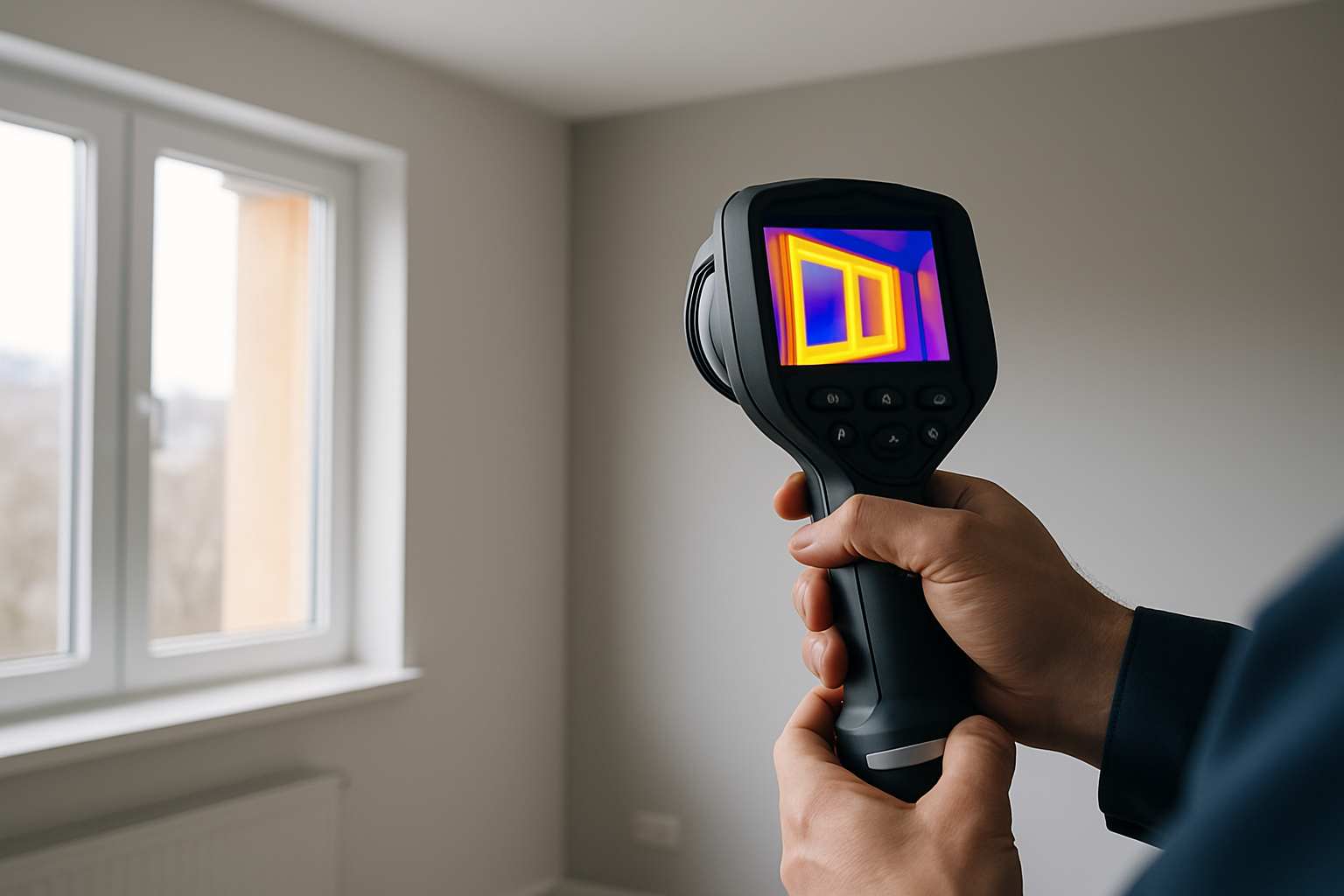
Thermal inspection, also called infrared inspection or thermographic inspection, uses specialized infrared cameras to visualize heat patterns on building surfaces. Instead of measuring visible light, these cameras measure infrared radiation and convert it into color images that represent temperature differences.
Key components of a typical thermal inspection include:
- Infrared camera: Captures temperature variations across surfaces such as walls, ceilings, roofs, electrical panels, and mechanical equipment.
- Trained thermographer: Interprets the thermal images, identifies patterns, and correlates them with actual building conditions.
- Reporting and analysis: Findings are compiled into a clear, actionable report with annotated images and prioritized recommendations.
Because thermal inspection is non-destructive and fast, it is ideal for both residential and commercial buildings, as well as industrial facilities, data centers, and critical infrastructure.
Benefits of Thermal Inspection for Building Performance
Thermal imaging delivers value at every stage of the building life cycle—from design and construction to maintenance and retrofit planning. The most important benefits include:
1. Enhanced Energy Efficiency
Energy loss is often invisible to the naked eye. Thermal inspection reveals where conditioned air is escaping and where unconditioned air is entering, enabling targeted improvements. Common energy-related findings include:
- Missing, compressed, or saturated insulation in walls, ceilings, and roofs
- Air leakage at windows, doors, and penetrations through the building envelope
- Thermal bridging through structural elements and poorly detailed assemblies
- Poorly sealed ductwork and unbalanced HVAC distribution
By addressing these issues, building owners can lower heating and cooling loads, reduce utility costs, and improve the overall energy performance rating of the property.
2. Improved Comfort and Indoor Environment
Uneven temperatures, drafts, and cold or hot spots can make spaces uncomfortable and difficult to occupy. Thermal inspection helps diagnose:
- Cold exterior walls and corners caused by inadequate insulation
- Drafts and air infiltration around outlets, window frames, and recessed lights
- Overheated areas due to solar gain or poorly balanced HVAC systems
Correcting these problems results in more stable indoor temperatures, better occupant comfort, and fewer complaints from tenants or building users.
3. Early Detection of Moisture and Mold Risks
Moisture problems are among the most expensive building issues when left untreated. Thermal imaging can highlight temperature anomalies that correlate with moisture intrusion, such as:
- Wet insulation behind walls or roofs
- Water leaks around windows, roofs, and balconies
- Condensation issues at thermal bridges
While thermography does not directly “see” water, it reveals the thermal signatures that suggest damp materials. When combined with moisture meters and expert analysis, thermal inspection becomes a powerful tool for preventing mold growth, structural decay, and indoor air quality problems.
4. Increased Safety and Reduced Downtime
In commercial and industrial environments, thermal inspection is a proven method for preventing failures and safety incidents. It is commonly used to assess:
- Electrical systems: Overheated breakers, loose connections, overloaded circuits, and failing components
- Mechanical equipment: Bearings, motors, pumps, and belts that are running abnormally hot
- Fire risks: Hot spots in electrical rooms, switchgear, and equipment enclosures
By identifying these issues in advance, facility managers can plan maintenance, avoid unplanned outages, and reduce the risk of fire or equipment failure.
Common Applications of Thermal Inspection in Buildings
Thermal inspection can be applied to almost every building system. The most common use cases include:
Building Envelope and Insulation
Infrared surveys of the building envelope help pinpoint:
- Missing or uneven insulation in wall cavities and attics
- Thermal bridging through steel studs, concrete slabs, and structural framing
- Air leakage paths around penetrations, soffits, and roof-wall junctions
- Insulation defects in flat roofs and curtain wall systems
This type of inspection is especially valuable before and after retrofit projects, energy audits, or building certifications, ensuring that investments in insulation and air sealing perform as intended.
Roof Inspections
Flat and low-slope roofs are prone to hidden moisture damage. Thermal roof scans can reveal:
- Trapped moisture beneath membranes
- Wet insulation zones and saturated areas
- Defective seams, flashing, and penetrations
These insights help prioritize roof repairs, extend roofing life, and avoid premature replacement costs.
Electrical and Mechanical Systems
Using thermal imaging in electrical and mechanical rooms allows for non-contact, real-time assessment under normal operating conditions. Typical findings include:
- Overheated connections in distribution panels and switchgear
- Phase imbalance and overloaded circuits
- Friction-induced heating in motors, bearings, and rotating equipment
- Blocked or failing HVAC components
Regular thermographic surveys are a cornerstone of predictive maintenance programs in mission-critical facilities.
Building Commissioning and Diagnostics
Thermal inspection plays a vital role in both new building commissioning and existing building diagnostics by:
- Verifying continuity of insulation and air barriers
- Confirming the quality of window and door installations
- Documenting envelope performance for compliance and certifications
- Supporting energy audits and retrofit designs with visual evidence
When combined with blower door testing and other diagnostic tools, thermal imaging provides a detailed picture of the building’s performance under real-world conditions.
Best Practices for a Professional Thermal Inspection
To get accurate, actionable results from a thermal inspection, it is important to follow proven best practices:
Work With a Qualified Thermographer
Infrared cameras generate detailed images, but interpretation requires training and experience. Look for:
- Thermographers with recognized certifications (e.g., Level I, II, or III thermography)
- Experience in building science, electrical systems, or mechanical diagnostics
- A track record of clear, comprehensive reporting and client support
Choose the Right Conditions
Thermal patterns are strongly influenced by environmental conditions. Optimal inspection conditions generally include:
- Sufficient temperature difference between indoors and outdoors (often 10°C / 18°F or more)
- Limited direct solar radiation on exterior surfaces during envelope scans
- Stable operating loads for electrical and mechanical inspections
Scheduling inspections at the right time of day and season enhances the quality and reliability of the results.
Combine Thermal Imaging With Other Diagnostic Tools
For best results, thermography should be part of a broader diagnostic strategy. Many professionals pair thermal inspections with:
- Blower door testing to quantify air leakage
- Moisture meters to confirm suspected damp areas
- Data logging of temperature and humidity
- Visual inspections and intrusive testing when needed
This integrated approach ensures that findings are accurate, verifiable, and connected to practical solutions.
How Thermal Inspection Supports Energy Codes, ESG, and Compliance
As building performance standards tighten and sustainability goals become more ambitious, thermal inspection is increasingly used to meet regulatory, certification, and ESG (Environmental, Social, and Governance) requirements.
Thermal imaging can support:
- Energy code compliance: Verifying insulation levels, air barrier continuity, and window installation quality.
- Green building certifications: Providing evidence for LEED, BREEAM, and other programs that require high-performance envelopes and efficient systems.
- ESG and sustainability reporting: Documenting reductions in energy waste and carbon emissions through targeted envelope and system improvements.
- Risk management: Demonstrating proactive maintenance of critical systems to insurers, investors, and stakeholders.
By incorporating regular thermal inspections into a building’s operations and maintenance plan, owners can maintain higher asset value, lower operating costs, and stronger environmental performance profiles.
Conclusion: Unlock Hidden Insights With Professional Thermal Inspection
Thermal inspection reveals what the naked eye cannot see—hidden energy losses, moisture intrusions, electrical risks, and mechanical issues that directly impact building performance, safety, and operating costs. Whether you manage a single property or an extensive portfolio, integrating regular thermographic surveys into your maintenance and energy strategy is a smart investment that pays back through lower bills, improved comfort, and reduced risk.
To optimize your building’s performance and uncover issues before they become expensive problems, schedule a professional thermal inspection with a qualified thermographer. Start today and turn invisible building weaknesses into clear, actionable opportunities for improvement.
Keep Reading
- Revolutionize Building Maintenance with Cutting-Edge Thermal Imaging Inspection
- Thermal Inspection: Unveiling Hidden Problems for Optimal Building Performance
- How Air Quality Experts Transform Indoor Environments for Better Health
- The Ultimate Guide to WDO Inspection: Protect Your Home from Wood-Destroying Organisms
- Harness the Potential of Thermal Imaging Inspection for Unseen Building Insights