
June 1, 2026
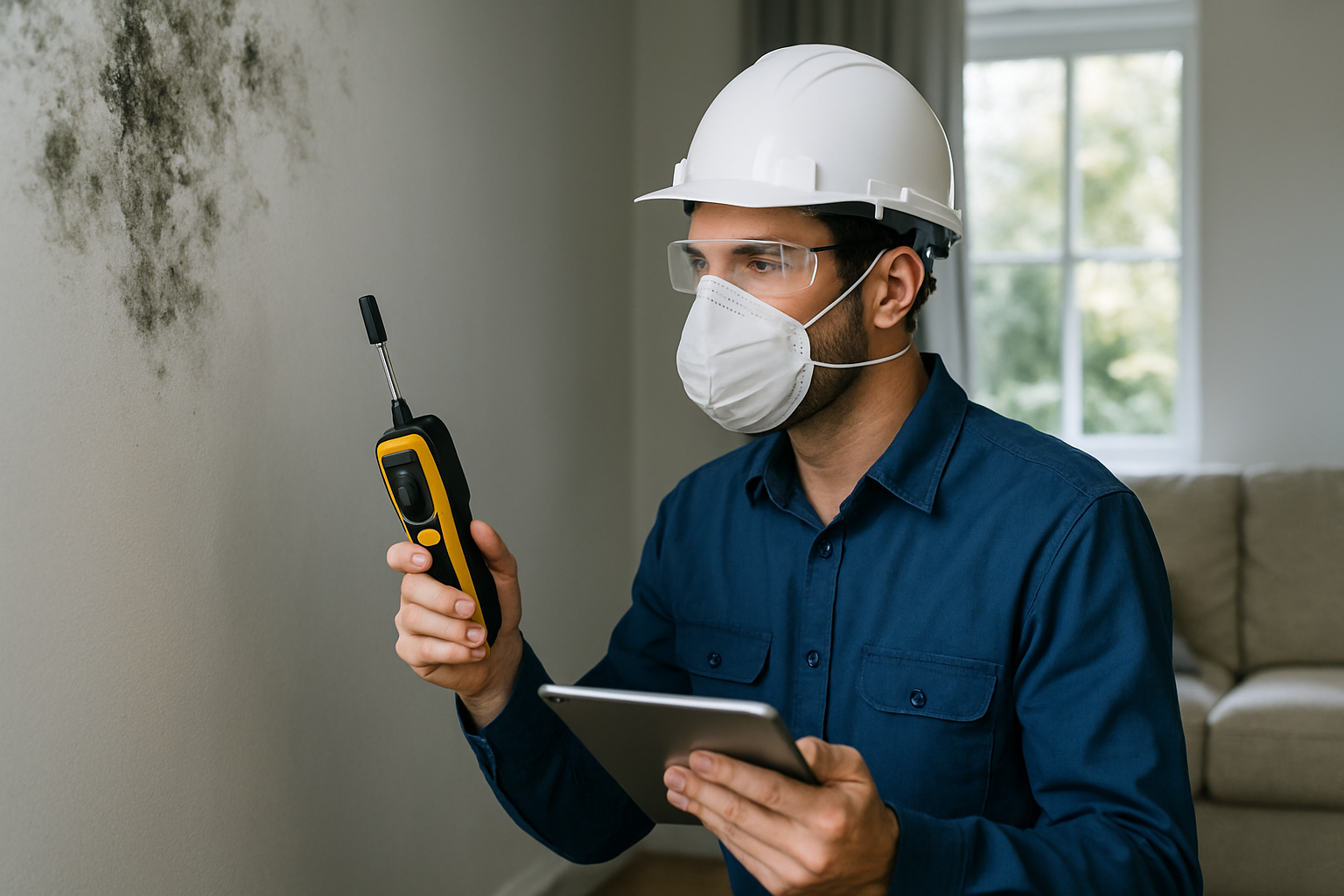
Comprehensive Air Quality Mold Inspection: Safeguard Your Health and Home
Air quality mold inspection is one of the most important steps you can take to protect your health, your family, and the long-term value of your property. Hidden mold growth and poor indoor air quality can trigger allergies, asthma, and chronic respiratory problems, often without obvious visible signs. A professional mold inspection and air quality test helps you identify unseen contamination, locate moisture issues, and create a clear plan to restore a clean, healthy indoor environment.
Why Air Quality Mold Inspection Matters
Indoor air can be up to five times more polluted than outdoor air, and mold is one of the most common—and most overlooked—indoor contaminants. Even if you keep a clean home or business, mold spores can thrive in hidden, damp areas, quietly affecting the air you breathe every day.
Key reasons to prioritize air quality mold inspection include:
- Health protection: Mold spores and mycotoxins can worsen asthma, allergies, and sinus issues and may contribute to headaches, fatigue, and respiratory infections.
- Early problem detection: Air testing can reveal elevated mold levels even when you can’t see visible growth, allowing you to act before problems escalate.
- Property preservation: Undetected mold is often linked to water leaks and structural moisture that can damage wood, drywall, and insulation.
- Peace of mind: A detailed inspection and lab report confirm whether your indoor environment is safe—or show you exactly what needs to be remediated.
- Compliance and documentation: Quality inspection reports can support real estate transactions, insurance claims, rental disputes, and workplace safety documentation.
Common Signs You Need a Mold Inspection and Air Quality Test
Some mold problems are obvious, but many more are hidden inside walls, under flooring, or in HVAC systems. If you’re noticing persistent symptoms or musty odors, an air quality mold inspection is a smart next step.
Schedule a professional assessment if you notice any of the following:
Physical Symptoms and Health Clues
- Worsening allergies, congestion, or sneezing when you are at home or in a specific building
- Asthma flare-ups or difficulty breathing indoors
- Frequent headaches, fatigue, or brain fog that improve when you leave the space
- Red, itchy eyes, skin irritation, or unexplained rashes
Visible and Environmental Warning Signs
- Musty, earthy, or “damp basement” odors, especially in closed rooms or closets
- Visible mold spots, streaks, or discoloration on walls, ceilings, window sills, or bathroom surfaces
- Water stains, bubbling paint, warped flooring, or past water damage from leaks or floods
- Condensation around windows, pipes, or on walls, indicating high humidity
- HVAC issues, such as dust buildup, inconsistent temperatures, or odors when the system turns on
If you are buying or selling a property, have recently experienced a leak or flood, or are dealing with unexplained health issues, a comprehensive mold inspection and air quality test can provide clear answers.
What Happens During a Professional Air Quality Mold Inspection
A thorough air quality mold inspection follows a structured process designed to identify both visible mold and hidden airborne contamination. While every property is different, an experienced inspector typically follows steps like these:
- Initial consultation and history
The inspector will ask about health concerns, musty odors, recent leaks or floods, past mold remediation, and any rooms of particular concern. This context helps guide a targeted inspection. - Visual inspection of interior and exterior
The inspector walks through the property, examining walls, ceilings, floors, windows, basements, crawl spaces, attics, and around plumbing fixtures. Outside, they may look at grading, gutters, and roof conditions that affect drainage and moisture. - Moisture mapping and thermal imaging
Non-invasive tools such as moisture meters and infrared cameras help locate hidden dampness behind walls, under flooring, and around structural components—common hotspots for concealed mold growth. - Air sampling and surface sampling
The inspector collects air samples using calibrated pumps and cassettes, usually from multiple locations and at least one outdoor control sample. They may also collect surface swabs or tape lifts from suspicious areas to identify specific mold species. - Humidity and ventilation evaluation
Indoor humidity levels, ventilation pathways, and HVAC systems are evaluated to see how air is moving and where moisture may be trapped or recirculated. - Laboratory analysis
Samples are sent to an accredited lab, where technicians identify mold types and quantify spore concentrations. Results are compared with baseline outdoor readings and common reference ranges. - Detailed report and recommendations
You receive a written report summarizing findings, lab results, photos, moisture readings, and clear recommendations for mold remediation, moisture control, and air quality improvements.
When choosing a provider, look for certified mold inspectors who use accredited laboratories and follow industry standards such as IICRC and ANSI/IICRC S520 guidelines for mold investigation.
Types of Mold Tests and Air Quality Assessments
An effective mold inspection often combines several testing methods for a complete picture of indoor air quality. Each type of test provides different insights into how mold is present and impacting the environment.
Air Sampling for Mold Spores
Air sampling is the core of air quality mold inspection. It measures the concentration and types of mold spores suspended in the air you breathe.
- Indoor vs. outdoor comparison: Inspectors collect a baseline sample outdoors and compare it to indoor samples to identify abnormal elevations.
- Targeted room sampling: Additional samples may be taken in problem areas like basements, bathrooms, or rooms with musty odors.
- HVAC-related sampling: Samples near supply vents or returns can indicate whether the ductwork or system is distributing mold spores.
Surface Sampling and Swab Tests
Surface tests are used when visible growth or stains are present. These tests help:
- Identify specific mold species, including toxigenic varieties like Stachybotrys (“black mold”)
- Differentiate mold from dirt, soot, or other discoloration
- Confirm whether cleaned areas are still contaminated
Moisture and Humidity Assessments
Since mold needs moisture to grow, a complete assessment of moisture conditions is essential to long-term success.
- Pin and pinless moisture meters measure moisture in walls, floors, and building materials.
- Relative humidity readings indicate if indoor air is consistently above 50–60%, a range where mold thrives.
- Thermal imaging cameras reveal temperature differences that may signal leaks, poor insulation, or trapped moisture.
Specialized Sampling (When Needed)
In some complex cases—such as severe health complaints or previous failed remediation—additional testing methods may be considered, such as:
- ERMI or other dust sampling to evaluate long-term mold exposure in a space
- VOC (volatile organic compound) sampling for chemicals and off-gassing that may accompany mold or moisture problems
- Bacterial sampling in buildings affected by sewage backups or gray water
A qualified inspector will recommend only the tests that are appropriate for your situation, avoiding unnecessary costs while still delivering clear, actionable data.
How to Improve Indoor Air Quality After a Mold Inspection
Inspection and testing provide the diagnosis; the next step is implementing a solid plan to solve the problem and prevent it from returning. Improving indoor air quality typically involves both remediation and long-term prevention strategies.
Address the Source of Moisture
Effective mold control starts with moisture control. Common corrective actions include:
- Repairing roof leaks, plumbing leaks, and foundation cracks
- Improving drainage, grading, and gutter performance outside the building
- Sealing around windows, doors, and penetrations to stop water intrusion
- Installing or upgrading bathroom, kitchen, and laundry exhaust fans
- Using dehumidifiers in basements, crawl spaces, and humid rooms
Professional Mold Remediation
If inspections and lab results confirm a significant mold problem, professional remediation may be necessary. A typical mold remediation plan includes:
- Isolating affected areas with containment barriers and negative air pressure
- Using air scrubbers with HEPA filtration to capture airborne spores
- Safely removing heavily contaminated materials like drywall, insulation, or carpet
- Cleaning and HEPA-vacuuming remaining surfaces
- Applying appropriate antimicrobial or anti-fungal treatments where needed
- Conducting post-remediation verification, including visual inspection and sometimes follow-up air testing
Ongoing Air Quality and Mold Prevention Tips
Once remediation is complete, use these practices to maintain healthy indoor air quality:
- Keep indoor humidity between 30–50%; run dehumidifiers in damp seasons or spaces.
- Change HVAC filters on schedule, using high-quality filters compatible with your system.
- Schedule regular HVAC inspections and duct cleaning when contamination is suspected.
- Use exhaust fans when cooking, showering, or doing laundry, and keep them running for 20–30 minutes afterward.
- Clean and dry spills or leaks within 24–48 hours to prevent mold from taking hold.
- Monitor previously affected areas for any return of odors, stains, or moisture.
Pairing a professional air quality mold inspection with consistent moisture management provides a powerful, long-term defense against mold growth and indoor air pollution.
Safeguard Your Health and Property with Expert Mold Inspection
Unseen mold growth and poor indoor air quality can silently impact your health, your comfort, and your property value. A comprehensive air quality mold inspection helps you uncover hidden problems, understand exactly what you are breathing, and take the right steps to correct issues at their source.
If you are experiencing musty odors, persistent allergies, or recent water damage—or simply want peace of mind—now is the right time to act. Schedule a professional air quality mold inspection with a certified local specialist, review your detailed report, and implement a targeted plan to restore clean, healthy air in your home or workplace. Protect your indoor environment today so you can breathe easier tomorrow.
Keep Reading
- Revolutionize Building Maintenance with Cutting-Edge Thermal Imaging Inspection
- Thermal Inspection: Unveiling Hidden Problems for Optimal Building Performance
- How Air Quality Experts Transform Indoor Environments for Better Health
- The Ultimate Guide to WDO Inspection: Protect Your Home from Wood-Destroying Organisms
- Harness the Potential of Thermal Imaging Inspection for Unseen Building Insights