
November 17, 2025
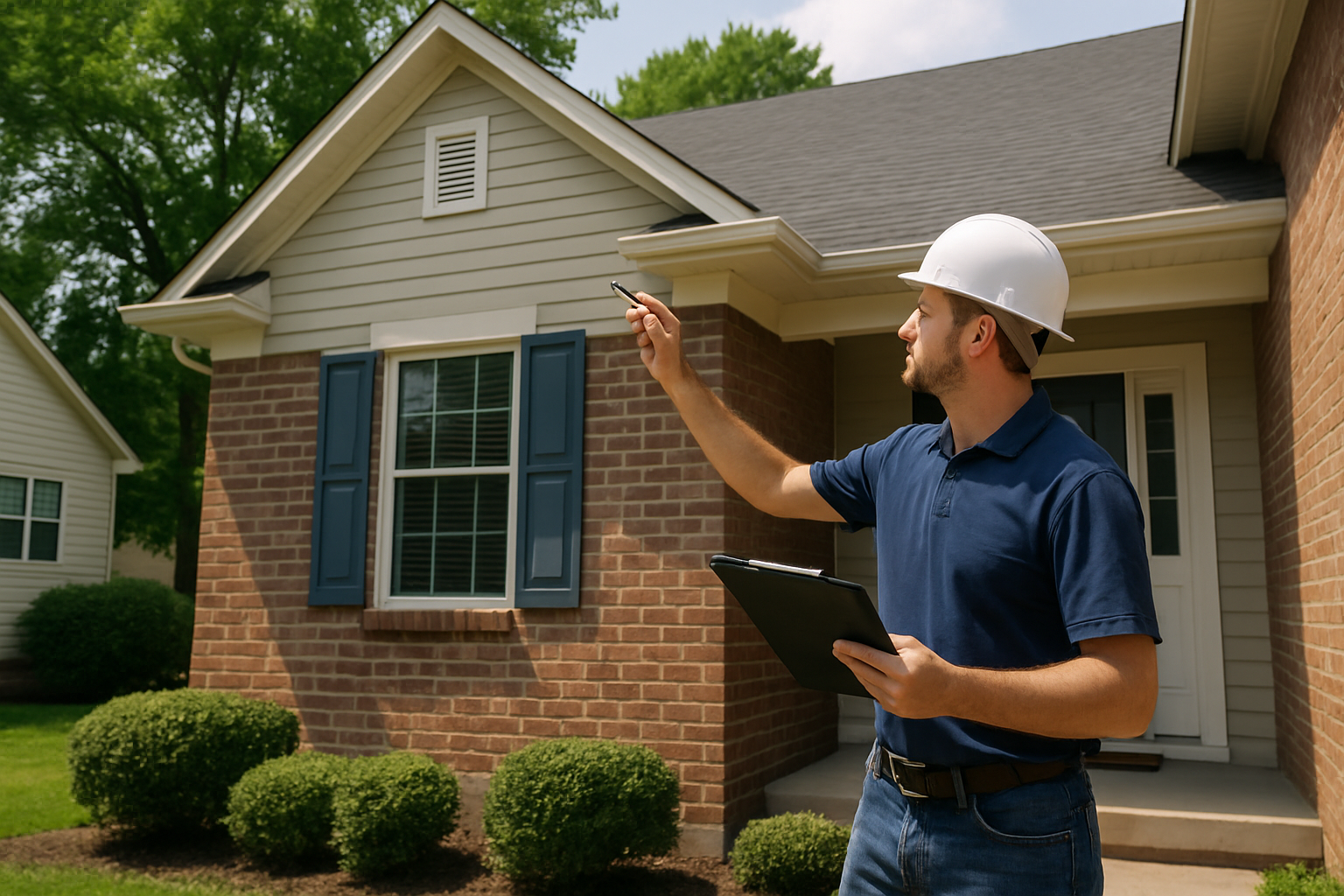
New Jersey homes reflect a wide range of ages, designs, and environmental conditions. Older properties may blend updated interiors with long-standing electrical or plumbing issues, while newer builds can still face issues tied to soil conditions, drainage, or seasonal temperature swings. A professional home inspector helps you see how these factors influence the overall condition of a property and whether any issues may require attention before you commit to buying.
5D Home Inspections has extensive experience with the housing styles and construction trends seen across North and Central Jersey. From historic neighborhoods to expanding suburbs, our inspectors understand which problems tend to appear beneath the surface of a well-staged home. Knowing what to look for, and who is best qualified to identify those issues, helps buyers make confident decisions as they move toward closing.
Look for Proper Licensing and Local Experience
A New Jersey home inspector must be fully licensed and trained to evaluate the types of properties common in the region. The age, layout, and building materials found in many North and Central Jersey neighborhoods require an inspector who knows how homes in this area typically age. Credentials from organizations such as InterNACHI or ASHI show that an inspector has completed formal training, follows industry standards, and adheres to a professional code of ethics.
Local experience also matters for environmental factors. Radon levels vary from county to county, soil conditions affect drainage performance, and seasonal temperature swings influence how structural components expand and contract. An inspector familiar with these patterns is better equipped to identify concerns early.
Choose an Inspector Who Examines the Entire Property
A full home inspection should include all major systems and structural components. Homes in New Jersey often mix modern updates with older underlying infrastructure, which makes a top-to-bottom review essential.
A comprehensive inspection includes:
- Roof and attic
- Exterior drainage and grading
- Foundation and structural framing
- Electrical system
- Plumbing system
- HVAC equipment
Some issues are not visible even with the average inspection, which is why tools like infrared thermal imaging can be added to support a full evaluation. Thermal imaging is offered only when paired with one of our inspection packages so findings can be interpreted correctly and placed within the full context of the home’s condition.
Evaluate the Inspector’s Communication and Reporting Style
A detailed report gives buyers clarity about the true condition of a home. Look for an inspector who provides:
- Clear explanations
- Organized summaries
- Photos that document findings
- Guidance on potential next steps
A strong report helps buyers understand what is routine, what may require maintenance, and what could influence negotiations. It also allows your real estate agent to reference documented findings during discussions about repairs or credits.
Prioritize Inspectors Who Encourage Buyer Participation
The inspection process is most valuable when buyers can ask questions and understand what the inspector is observing. Choose a company that welcomes your involvement, explains systems as they are reviewed, and takes the time to discuss the significance of any issues found.
This level of communication is especially helpful for first-time buyers who may be unfamiliar with common NJ home conditions, such as basement moisture patterns or the aging of cast iron plumbing.
Consider the Inspector’s Availability After the Visit
A reputable inspection company remains available to answer questions even after the report is delivered. Follow-up support is important when buyers are weighing repair concerns, requesting credits, or clarifying information with contractors. This ensures you have guidance through the entire evaluation process, not just during the onsite visit.
Why Choosing a Local Inspector Matters in New Jersey
New Jersey’s climate, housing diversity, and renovation trends make local knowledge a significant advantage. Inspectors who work exclusively in this region understand:
- How older foundations behave in this soil
- Common electrical or plumbing issues in mid-century homes
- Moisture patterns in basements and crawl spaces
- Seasonal impacts on roofing and exterior materials
- Town-specific radon patterns and environmental factors
Local expertise improves accuracy, reduces surprises, and gives buyers a realistic picture of future maintenance needs.
Schedule your Full Home Inspection today and move forward with confidence.
Choosing the right inspector is one of the most important steps in the home buying process. 5D Home Inspections provides thorough evaluations, clear reporting, and local expertise that helps New Jersey buyers make informed decisions.
Keep Reading
- Revolutionize Building Maintenance with Cutting-Edge Thermal Imaging Inspection
- Thermal Inspection: Unveiling Hidden Problems for Optimal Building Performance
- How Air Quality Experts Transform Indoor Environments for Better Health
- The Ultimate Guide to WDO Inspection: Protect Your Home from Wood-Destroying Organisms
- Harness the Potential of Thermal Imaging Inspection for Unseen Building Insights